






![Handwork: Handcrafted Objects that Made America [Craft in America]](http://www.phaidon.com/cdn/shop/files/M-handwork-en-3727-3d-standing-front-3000_cf7b8381-b3a2-41fd-86da-6fe623fb0a35.jpg?v=1784715138&width=400)
![Handwork: Handcrafted Objects that Made America [Craft in America]](http://www.phaidon.com/cdn/shop/files/M-handwork-en-3727-3d-overview-3000_038c21c2-0af7-41e2-8a96-9b0beaf9c2d6.jpg?v=1784715138&width=400)
![Handwork: Handcrafted Objects that Made America [Craft in America]](http://www.phaidon.com/cdn/shop/files/M-handwork-en-3727-3d-spread-1-3000_675d5a59-80e7-4b98-bb57-f9d68d61b20d.jpg?v=1784715138&width=400)
![Handwork: Handcrafted Objects that Made America [Craft in America]](http://www.phaidon.com/cdn/shop/files/M-handwork-en-3727-3d-spread-2-3000_a21c9230-7856-470d-8101-09ae2fef75e3.jpg?v=1784715138&width=400)
![Handwork: Handcrafted Objects that Made America [Craft in America]](http://www.phaidon.com/cdn/shop/files/M-handwork-en-3727-3d-spread-3-3000_6dbd48c4-eaab-4b0d-86a2-19b97d8be954.jpg?v=1784715138&width=400)
![Handwork: Handcrafted Objects that Made America [Craft in America]](http://www.phaidon.com/cdn/shop/files/M-handwork-en-3727-3d-spread-4-3000_851a14d9-3b23-4197-85c5-3a4503b24548.jpg?v=1784715138&width=400)
![Handwork: Handcrafted Objects that Made America [Craft in America]](http://www.phaidon.com/cdn/shop/files/M-handwork-en-3727-3d-spread-5-3000_232b034c-682e-4a6f-b47b-81d5a99dd497.jpg?v=1784715138&width=400)
![Handwork: Handcrafted Objects that Made America [Craft in America]](http://www.phaidon.com/cdn/shop/files/M-handwork-en-3727-3d-spread-6-3000_4c787d9d-1fb6-4812-9652-d15d93423bc0.jpg?v=1784715138&width=400)



























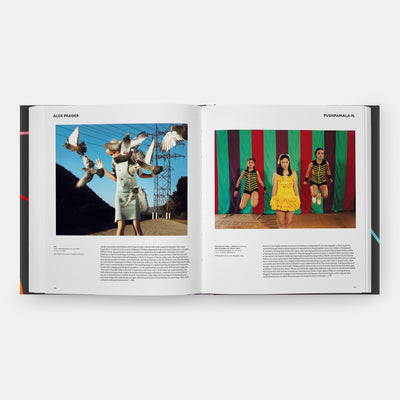



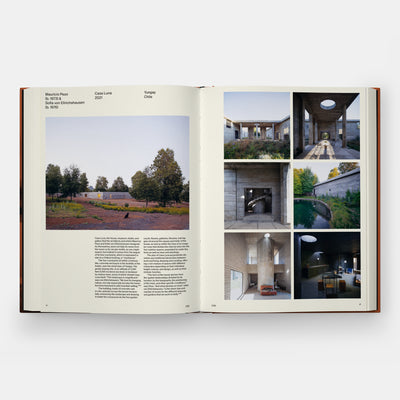
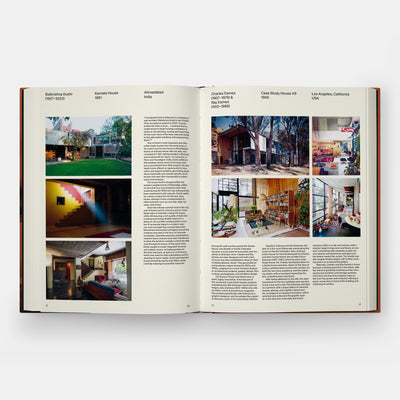

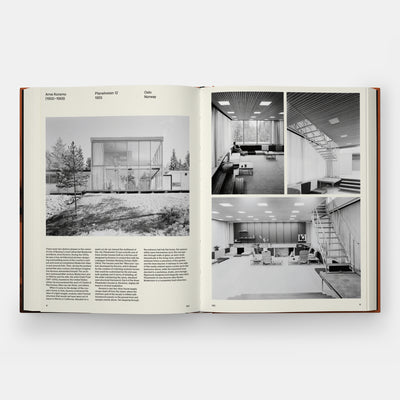


















Classic Indian Recipes, the new book from renowned culinary historian and food writer Pushpesh Pant, honors tradition while embracing simplicity.
Featuring more than 140 recipes and 120 stunning images in an easily accessible and smartly edited collection of classic Indian dishes, the book is perfect for those wishing to explore and understand more about this diverse cuisine.
Pushpesh’s warm, approachable style appeals to both experienced home cooks and general readers alike as he dives deep into the history of the featured recipes, describing each dish’s origins and how it was traditionally made.
Classic Indian Recipes includes regional favourites and classics such as roghanjosh and kormas; the street-food style Punjabi dishes of rotis and roasted chickens; coastal dishes such as fish in banana leaves and crab curry from Kerala and Goa.
And, of course, there are the globally recognised butter chicken, vindaloo, samosas, and the regional variations of dals, pulaos and biriyanis – all presented beautifully with accompanying photographs and our dedicated recipe keys, dictating spice level and dietary requirements, as well as prep and cooking timings and serving size.
A glossary at the back describes every term – whether familiar or not – and there’s an invaluable menu planner that does the thinking for you: putting together key dishes to make one-pot meals or more ambitious feasts.
Here are seven of our favourite recipes from Classic Indian Recipes for you to try at home.
PANEER WITH SPINACH - Palak Paneer

Paneer with Spinach. Food Photography: Haarala Hamilton Palak Paneer. Origin: Punjab
VEGETARIAN GLUTEN-FREE NUT-FREE PREP TIME 20 minutes + cooling time COOKING TIME 20–25 minutes SERVES 2
Punjabis are often teased that they can’t live without paneer. The land is renowned for the richness of its dairy produce, and paneer is enjoyed in a variety of ways – as a tandoor-grilled tikka with peas or as a pakora (fritter). Pairing it with spinach is common as a winter dish.
INGREDIENTS 100 g/3½ oz Paneer 250 g/9 oz fresh spinach, chopped 2 green chillies, de-seeded and chopped ½ teaspoon chopped ginger pinch of salt 2 tablespoons vegetable oil pinch of fenugreek seeds 1 onion, chopped 1 clove garlic, chopped ¼ teaspoon cumin seeds 250 g/9 oz (1 cup) puréed tomatoes.
METHOD Cut the paneer into 5-cm/2-inch square pieces, about 2.5 cm/ 1 inch thick and set aside. Put the spinach, chillies, ginger, salt and a sprinkling of water in a large, heavy-based pan and cook over a medium heat for 3–4 minutes until cooked. Allow to cool, squeeze dry, then transfer to a blender or food processor and process to make a purée. Set aside. Heat the oil in a heavy-based pan over a medium heat, add the fenugreek seeds and stir-fry for about 30 seconds. Add the onion and stir-fry for 5 minutes, or until it is lightly coloured. Add the garlic and cumin seeds and fry for 30 seconds, then add the puréed tomatoes and fry for a further 5 minutes, or until the liquid from the tomatoes has evaporated. Add the paneer and stir gently, then add the puréed spinach and cook for 2 minutes before serving.
ASAFOETIDA & CUMIN POTATOES - Heeng Jeere ke Aloo

Asafoetida & Cumin Potatoes. Food Photography: Haarala Hamilton Heeng Jeere ke Aloo. Origin: Rajasthan
VEGETARIAN GLUTEN-FREE NUT-FREE 30 MINUTES OR LESS PREP TIME 20 minutes COOKING TIME 20 minutes SERVES 4
This is the quintessential no-frills potato dish that is a staple of bania kitchens in Delhi. Tempered with asafoetida and cumin seeds, with just a touch of turmeric, the dry, stir-fried potatoes are just perfect to pack in a tiffin tin for journeys.
INGREDIENTS 500 g/1 lb 2 oz (10 small) new (baby) potatoes 6 tablespoons ghee generous pinch of asafoetida 2 teaspoons cumin seeds 2 teaspoons chopped ginger 2 green chillies, de-seeded and chopped 1 tablespoon ground dried pomegranate seeds 1 teaspoon chilli powder 1 teaspoon ground turmeric salt.
METHOD Cook the potatoes in a large, heavy-based pan of salted boiling water for 12 minutes, or until cooked but not mushy. Drain and set aside. Heat the ghee in a large, heavy-based pan over a medium heat, add the asafoetida and stir-fry for 30 seconds, or until it puffs up. Add the cumin seeds and stir-fry for 1 minute, or until they start to splutter. Add the ginger and chillies and stir-fry for about 30 seconds, then add the potatoes and stir-fry for 1 minute. Add the ground pomegranate seeds, chilli powder and turmeric and stirfry for a further 1–2 minutes, or until the masala turns dark brown and evenly coats the potatoes. Remove from the heat and adjust the seasoning, if necessary.
CHICKPEAS FROM RAWALPINDI - Pindi Chana

Chickpeas from Rawalpindi. Food Photography: Haarala Hamilton Pindi Chana. Origin: Punjab
VEGAN GLUTEN-FREE DAIRY-FREE NUT-FREE PREP TIME 1 hour + soaking and standing time COOKING TIME 11/4 hours SERVES 4
Rawalpindi, a city close to Islamabad, Pakistan, is where this semi-dry chickpea curry was traditionally prepared. The ‘Kabuli chana’ are cooked to retain a bite and are not soft and mushy. The migrants from Rawalpindi who came to India at the time of partition brought little else but memories with them, and this recipe continues to represent an heirloom for many families.
INGREDIENTS 1 × 5-mm/¼-inch piece fresh ginger, peeled and cut into julienne 2 tablespoons lemon juice 400 g/14 oz (2¼ cups) dried chickpeas (garbanzo beans), soaked in water for 2 hours, then rinsed and drained 4 tablespoons vegetable oil 1 teaspoon cumin seeds 1 tablespoon gram (chickpea) flour 1 teaspoon each ajwain seeds, chilli powder and ground black rock salt 5 teaspoons ground pomegranate seeds 2 teaspoons each amchoor and ground fenugreek generous pinch of bicarbonate of soda (baking soda) 2 tomatoes, cut into wedges; 1 onion, cut into rings; 2 green chillies, de-seeded; 3 lemons, cut into wedges, to garnish salt FOR THE AROMATIC POTLI 6 black cardamom pods 4 cinnamon sticks, about 2.5 cm/1 inch long 4 cloves 1× 5-cm/2-inch piece fresh ginger, peeled and crushed 2 teaspoons tea leaves 4 teaspoons vegetable oil.
METHOD Put the ginger julienne in a small bowl, add the lemon juice and set aside. Transfer the chickpeas to a large, heavy-based pan and pour in enough water to cover. Bring to the boil, then reduce the heat and simmer for 30 minutes. Remove from the heat, set aside for 1 hour and drain just before cooking. To make the aromatic potli, put the cardamom, cinnamon, cloves, crushed ginger and tea leaves in a small piece of muslin (cheesecloth) and secure the top with kitchen string (twine) to make a pouch. Put the drained chickpeas into a large, heavy-based pan and add 1 litre/1¾ pints (4¼ cups) fresh water. Bring to the boil, then reduce the heat to low and remove any scum from the surface with a slotted spoon. Add the 4 teaspoons oil and the potli, then cover and simmer for 25 minutes, or until cooked but still firm. Make sure the chickpeas are not too soft and their skins are not peeling off. Remove from the heat and set aside. Heat the remaining oil in a kadhai or wok over a medium heat, add the cumin seeds and stir-fry for 1 minute, or until they start to splutter. Add the gram flour and stir-fry for 30 seconds, or until fragrant, then add the remaining ingredients and stir-fry for 1 minute. Season with salt. Add the cooked chickpeas and stir until well mixed. Remove from the heat and adjust the seasoning, if necessary. Transfer to a serving dish and garnish with tomatoes, onion rings, chillies, lemon wedges and the soaked ginger julienne.
‘MELT IN THE MOUTH’ SMOKED KEBABS - Galouti

‘Melt in the Mouth’ Smoked Kebabs. Food Photography: Haarala Hamilton Galouti. Origin: Awadh
GLUTEN-FREE NUT-FREE PREP TIME 1 hour + standing and smoking time COOKING TIME 40 minutes SERVES 4
The galouti is one of the many galawat ka kebab. Galawat means ‘tender’, which is reflected in the softness of the finely minced meat. The mixture is then smoked, and the cooking of the delicate patties done with great care in a traditional vessel called a lagan. It is said that over 150 spices were ground to obtain the special blend used in traditional galouti.
INGREDIENTS 750 g/1 lb 10 oz very finely minced (ground) lamb 100 g/3½ oz (½ cup) raw papaya paste 4 tablespoons gram (chickpea) flour, roasted 1 teaspoon Garam Masala 4 tablespoons ghee, plus an extra 1 tablespoon 4 green cardamom pods, lightly crushed salt.
METHOD Mix the lamb and raw papaya paste together in a large bowl. Cover and set aside in the fridge for 30 minutes. Add the roasted gram (chickpea) flour to the lamb mixture, mix well, cover, and set aside in the fridge for a further 10 minutes. Add the garam masala to the lamb, season with salt and mix to combine. Heat a little ghee in a frying pan (skillet) over a low heat, add the crushed cardamom pods and stir-fry for 1–2 minutes until red. Remove from the pan and set aside. If you would like to smoke the lamb, place the meat in a large pan, make a hollow in the middle and place a heatproof bowl into the hole. Put a few pieces of live charcoal into the bowl, sprinkle the seeds of the cardamom pods together with 1 tablespoon of ghee on the charcoal, cover immediately with a lid and smoke for 30 minutes. Uncover, remove the bowl and discard its contents. Divide the smoked lamb into 12 equal portions, roll into balls, then flatten them between your hands into 2-cm/¾-inch thick patties. Heat the remaining ghee on a large flat tawa, griddle or frying pan (skillet) over a very low heat. Gently arrange the patties on it and fry for 3–4 minutes, carefully turning once. Remove and drain on kitchen paper (paper towels). You can omit the smoking of the meat if you prefer, but make sure the patties are fully cooked before serving them.
MOREL PILAFF - Gucchi Pulau

Morel Pilaff. Food Photography: Haarala Hamilton Gucchi Pulau. Origin: Kashmir
VEGETARIAN GLUTEN-FREE NUT-FREE PREP TIME 15 minutes + soaking time COOKING TIME 40 minutes SERVES 4
Wild black mushrooms foraged from the forests of Kashmir are some of the most expensive ingredients in Indian cooking. They are sold as small garlands strung with dried morels that have a very alluring, subtle aroma. Kashmiris don’t like spice to overpower the natural flavour of the mushrooms. In Punjab, these are stuffed with milk fudge and garnished with nuts for a pulav, or draped in a sauce.
INGREDIENTS 20 g/¾ oz (¾ cup) dried morels 800 g/1¾ lb (4 cups) long-grain rice, rinsed and drained vegetable oil, for frying 1 large onion, finely sliced 3 tablespoons ghee, plus extra for greasing ½ teaspoon black cumin seeds ¼ teaspoon green cardamom seeds ½ teaspoon ground cumin 1 teaspoon yellow chilli powder 2–3 blades of mace 1 teaspoon double (heavy) cream 1 small sprig mint leaves, chopped 1 small sprig coriander (cilantro) leaves, chopped 2 fresh green chillies, de-seeded, and chopped few saffron threads, soaked in a little milk salt.
METHOD Soak the morels in a small bowl of hot water for 1 hour, then drain and wash thoroughly to remove any grit. Squeeze dry, slice and set aside. Meanwhile, soak the rice in a large bowl of water for 30 minutes, then drain and set aside. Heat a little oil in a frying pan (skillet) over a medium heat, add the onion and cook for 10 minutes, or until browned. Set aside. Bring 2 litres/3½ pints (8 cups) water to the boil in a large pan, add the rice and cook for 20 minutes, or until al dente. Drain and set aside. Heat the ghee in a skillet (frying pan) over a medium heat, add the cumin and cardamom seeds and, when these begin to splutter, add the sliced morels. Add the dried spices and some salt to taste, and fry for 2 minutes. Reduce the heat and stir in the cream, then remove the pan from the heat. Grease the base and sides of a large, heavy-based pan with a little ghee and cover the bottom of the pan with a layer of rice. On top of this add a layer of morels. Repeat the layering, until both the rice and morels are used up. Scatter the mint, coriander (cilantro) leaves, chillies and saffron on top, then cover with a tight-fitting lid and cook over a very low heat for 10 minutes. Garnish with the browned onions just before serving.
MALAI PRAWN CURRY - Chingari Maach Malai

Malai Prawn Curry. Food Photography: Haarala Hamilton Chingari Maach Malai. Origin: West Bengal
GLUTEN-FREE NUT-FREE PREP TIME 15–20 minutes COOKING TIME 20 minutes SERVES 4
The name suggests that the original recipe may have been brought back from the Malay Peninsula by traders who set out on annual voyages eastwards. The prawns (shrimp) are simmered in a gravy made with coconut cream and coconut milk, subtly enhancing the sweetness of the succulent prawns.
INGREDIENTS 500 g/1 lb 2 oz prawns (shrimp), peeled and deveined ½ teaspoon ground turmeric 2 tablespoons ghee 4 green cardamom pods 6 cloves 1 cinnamon stick, about 2.5 cm/1 inch long 1 bay leaf 250 ml/8 fl oz (1 cup) coconut milk, fresh or canned 2 green chillies, slit in half lengthways and de-seeded pinch of ground mace 125 ml/4½ fl oz (½ cup) coconut cream, fresh or canned salt.
METHOD Put the prawns (shrimp) into a large shallow dish and rub them with the turmeric and a little salt. Heat the ghee in a large frying pan (skillet) over a high heat, add the prawns and stir-fry for 2 minutes. Remove from the pan and set aside. Reduce the heat to low, then add the whole spices and bay leaf to the pan and stir-fry for 1–2 minutes until they change colour. Pour in the coconut milk and simmer for 2 minutes. Add the prawns and chillies and season with salt, then simmer for a further 5 minutes. Sprinkle over the ground mace and simmer for about 2 minutes, then stir in the coconut cream. Heat through, adding 2 tablespoons of water, if necessary.
COCONUT BALLS - Nariyal ke Laddu

Coconut Balls. Food Photography: Haarala Hamilton Nariyal ke Laddu, Origin: Pan-India
VEGETARIAN GLUTEN-FREE NUT-FREE FIVE INGREDIENTS OR FEWER 30 MINUTES OR LESS PREP TIME 10 minutes + cooling time COOKING TIME 10 minutes MAKES 15–25
The natural sweetness of desiccated coconut complements the condensed milk fudge perfectly in these small spheres. This is the laddu most commonly made at home in Uttar Pradesh, Bihar, Bengal, Assam, Orissa and in southern India. Karnataka and Goa also have their own versions of this confection.
INGREDIENTS 250 g 9 oz (22/3 cups) desiccated (dried flaked) coconut ½ teaspoon butter 150 g/5 oz Khoya.
METHOD Set aside 50 g/1¾ oz (½ cup) of the coconut. Heat the butter in a large pan over a low heat, add the remaining coconut and the khoya and cook for 10 minutes, or until the mixture leaves the sides of the pan. Remove from the heat and allow to cool. When cool, spread the reserved coconut on a large plate, then using greased hands, roll the mixture into small balls, and coat in the coconut.
Take a closer look at Classic Indian Recipes by Pushpesh Pant.