

![Handwork: Handcrafted Objects that Made America [Craft in America]](http://www.phaidon.com/cdn/shop/files/M-handwork-en-3727-3d-standing-front-3000_cf7b8381-b3a2-41fd-86da-6fe623fb0a35.jpg?v=1784715138&width=400)
![Handwork: Handcrafted Objects that Made America [Craft in America]](http://www.phaidon.com/cdn/shop/files/M-handwork-en-3727-3d-overview-3000_038c21c2-0af7-41e2-8a96-9b0beaf9c2d6.jpg?v=1784715138&width=400)
![Handwork: Handcrafted Objects that Made America [Craft in America]](http://www.phaidon.com/cdn/shop/files/M-handwork-en-3727-3d-spread-1-3000_675d5a59-80e7-4b98-bb57-f9d68d61b20d.jpg?v=1784715138&width=400)
![Handwork: Handcrafted Objects that Made America [Craft in America]](http://www.phaidon.com/cdn/shop/files/M-handwork-en-3727-3d-spread-2-3000_a21c9230-7856-470d-8101-09ae2fef75e3.jpg?v=1784715138&width=400)
![Handwork: Handcrafted Objects that Made America [Craft in America]](http://www.phaidon.com/cdn/shop/files/M-handwork-en-3727-3d-spread-3-3000_6dbd48c4-eaab-4b0d-86a2-19b97d8be954.jpg?v=1784715138&width=400)
![Handwork: Handcrafted Objects that Made America [Craft in America]](http://www.phaidon.com/cdn/shop/files/M-handwork-en-3727-3d-spread-4-3000_851a14d9-3b23-4197-85c5-3a4503b24548.jpg?v=1784715138&width=400)
![Handwork: Handcrafted Objects that Made America [Craft in America]](http://www.phaidon.com/cdn/shop/files/M-handwork-en-3727-3d-spread-5-3000_232b034c-682e-4a6f-b47b-81d5a99dd497.jpg?v=1784715138&width=400)
![Handwork: Handcrafted Objects that Made America [Craft in America]](http://www.phaidon.com/cdn/shop/files/M-handwork-en-3727-3d-spread-6-3000_4c787d9d-1fb6-4812-9652-d15d93423bc0.jpg?v=1784715138&width=400)











For nearly a century, Fire Island has been a sanctuary for queer life and a site of artistic exchange. Just ninety minutes from New York City and accessible only by ferry, the barrier island has drawn vacationers for a century. No cars are allowed on Fire Island, deer roam freely, and the place pulses with creative energy.
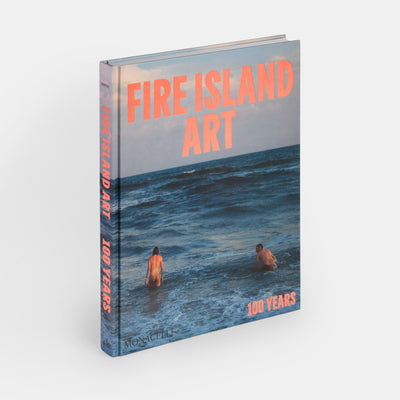
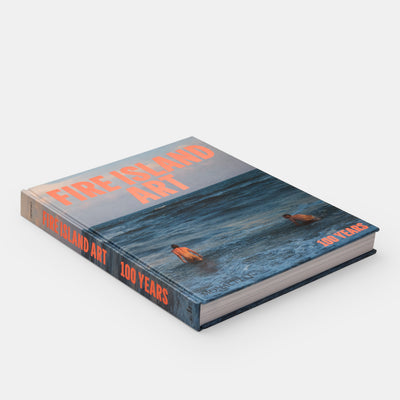
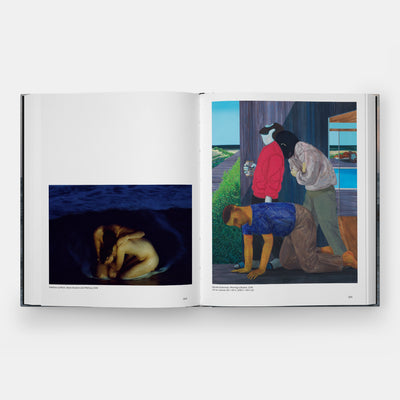
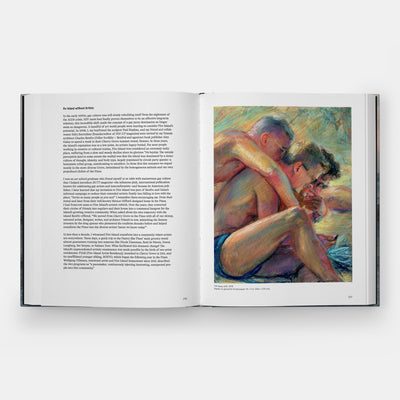
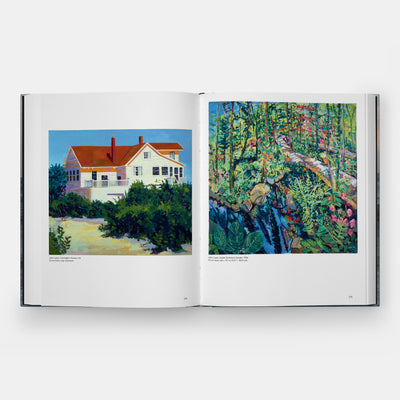
Our new book, Fire Island Art is the first to explore Fire Island’s art history, from its beginnings as a small, makeshift vacation spot in the 1930s to the queer pilgrimage site it is today. Organized in fifteen chapters, each written by a prominent art writer, the book tells the story of the island through the networks of artists who gathered there and were inspired by their surroundings to make stunning artworks.

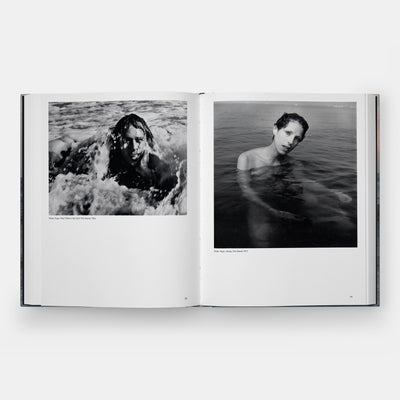
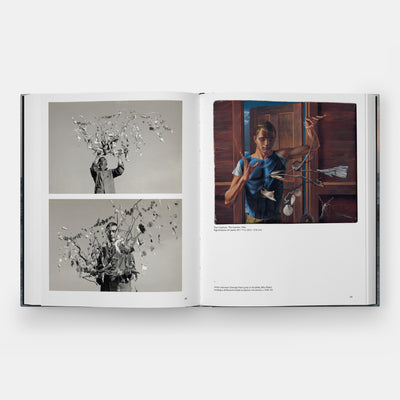
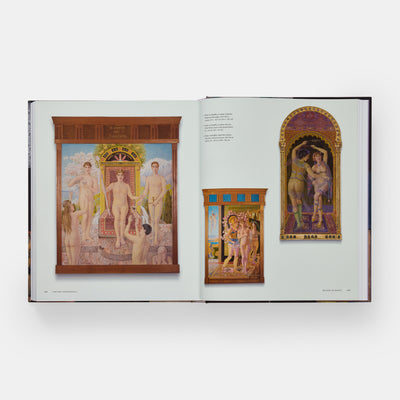
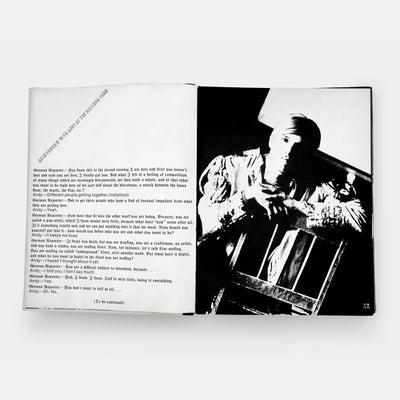
The book begins with the 1930s artist collective PaJaMa – comprised of artists Paul Cadmus, Jared French, and Margaret French – whose most famous photographs were made on Fire Island. From the 1950s to the 1980s, it was visited by some of the titans of postwar art: Richard Avedon, Peter Hujar, Paul Thek, Robert Mapplethorpe, and Andy Warhol, whose diary excerpts about the island are republished in Fire Island Art.
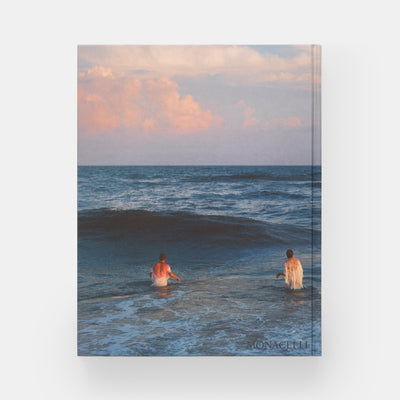
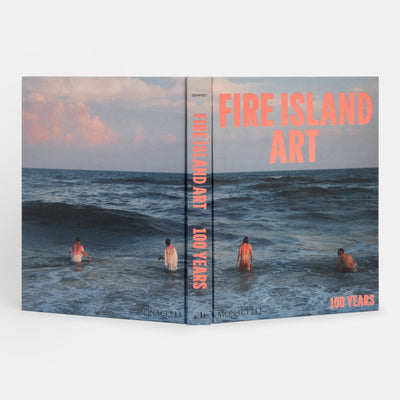
The island’s activity diminished in the 90s and 2000s due to the AIDS crisis, but it came back stronger than ever in the early 2010s when several high-profile artist residencies were established, helping it become the artistic mecca it is today. The dozens of contemporary artists featured in the book include names such as Nan Goldin, Doron Langberg, Salman Toor, and Wolfgang Tillmans, a photograph by whom graces the book’s cover.

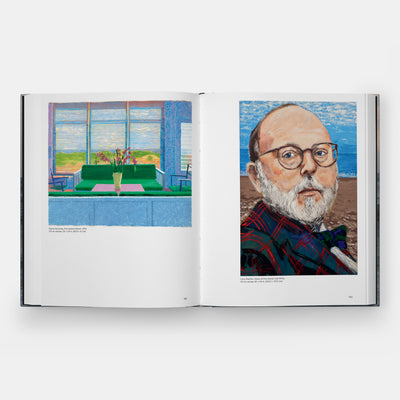
Fire Island Art was assembled by John Dempsey, President of the Fire Island Pines Historical Society. Dempsey conducted extensive archival research for the book, unearthing artworks published here for the first time ever, including contact sheets by Peter Hujar, a never-before-seen portrait of Patti Smith by Robert Mapplethorpe, and a hand made photo album from David Hockney.

Rich in both visuals and text, Fire Island Art is a groundbreaking look into an understudied part of art history and shows how a small stretch of sand has been central to the story of queer art and culture in America. Take a closer look at Fire Island Art.