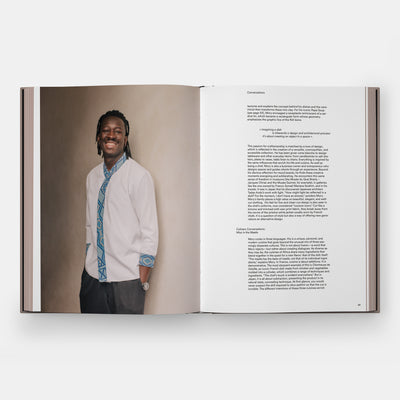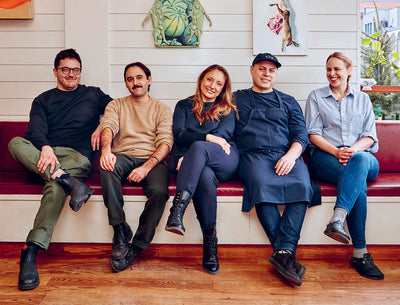
























Mory Sacko grew up in the suburbs of Paris with his eight siblings, as part of a family originally from Mali. He developed a passion for Japan and the world of haute cuisine at a young age and began his career in prestigious hotel restaurants such as the Royal Monceau and the Mandarin Oriental, before becoming a contestant on France’s much-loved version of the TV show, Top Chef. In 2020, he opened his own restaurant MoSuke, which was awarded a Michelin star just a couple of months later. Today, aged 34, Sacko has gained global recognition and is one of France’s most famous young chefs.
With a love of design and fashion, Sacko has also become a fashion world darling, collaborating with brands such as Louis Vuitton and Ralph Lauren.
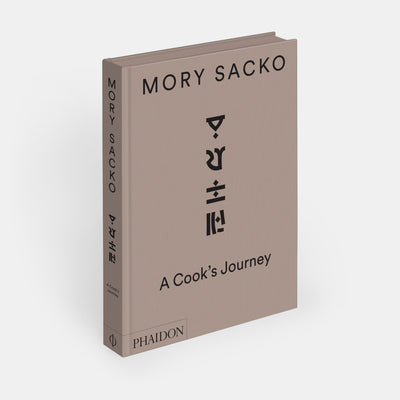
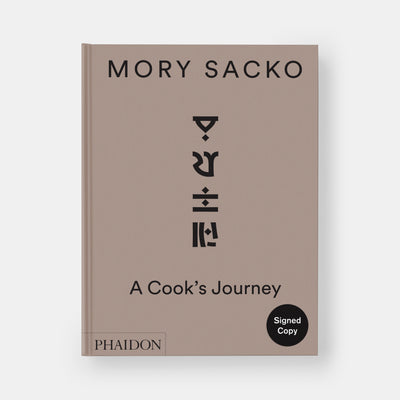
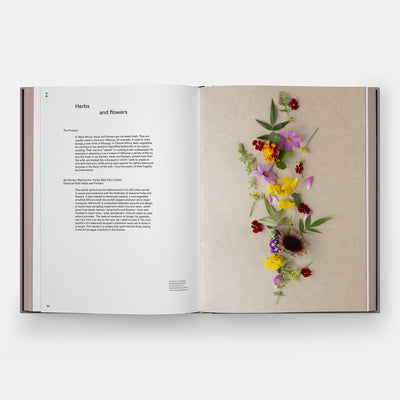
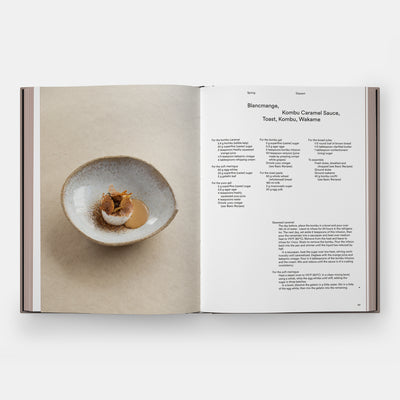
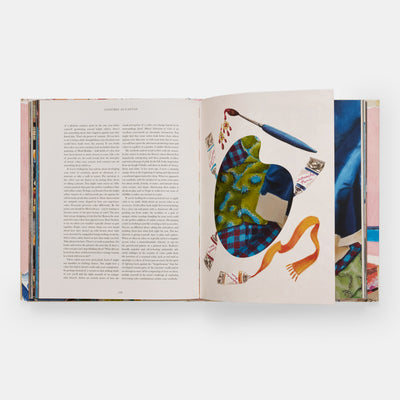
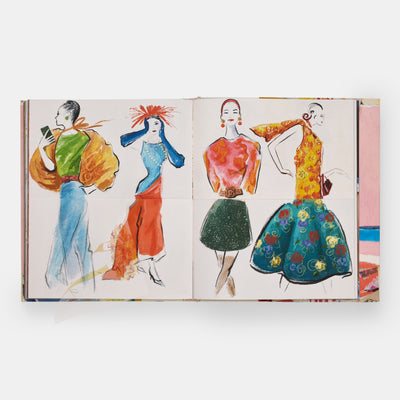
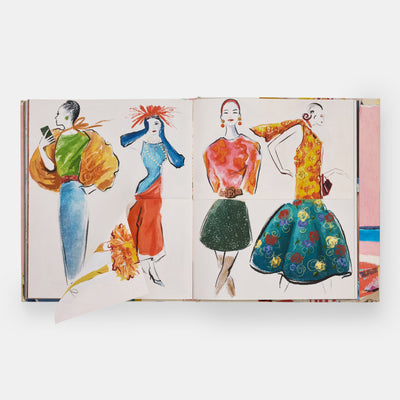
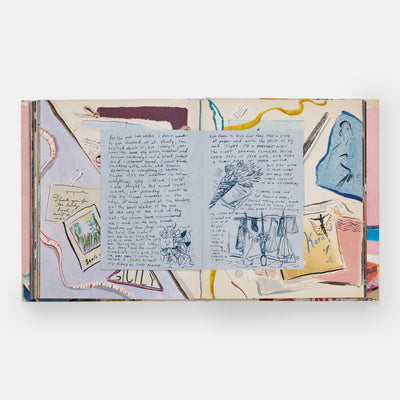
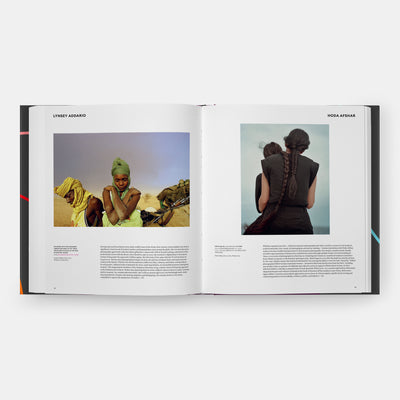
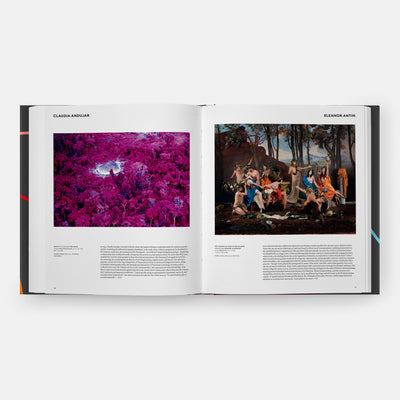
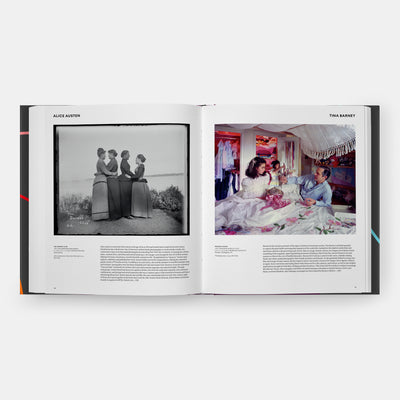
Sacko’s culinary style is a subtle dialogue between West and Central Africa, France, and Japan, combining French produce and classic culinary techniques, with African recipes and Japanese seasoning. Our new book Mory Sacko A Cook's Journey features more than 60 of his recipes, each demonstrating his expert knowledge of ingredients from Africa, France and Japan. The book includes some of his signature dishes: his reinterpretation of chicken yassa, Pepe soup, inspired by Mediterranean bouillabaisse and a famous African fish soup, or a chocolate tart and wasabi ice cream.
We spoke to Mory about food, style, music, Japanese culture, the shocking admission that he doesn’t like cheese, and what President Macron of France said to him after eating a meal the chef had cooked for him.

Mosuke, Paris. Photography: Tiphaine Caro
Who inspired you to cook? My mother, definitely. She was my first inspiration. She always cooked wonderful meals at home, and when I started experimenting with dishes, I naturally drew on the flavours of West Africa that I grew up with. She was, without question, my first influence in the kitchen.
What was the first thing you cooked, and how old were you? I think it was chocolate mousse. And it was a mess. A complete chocolate mess! I was about 15 and had just started cooking school. I thought I'd make a chocolate mousse at home, something a little different, but I completely ruined it. That was when I decided pastry wasn't for me. There were too many things that could go wrong! I decided I wanted to be a cook instead.
When did you first cook something that made you think, 'Actually, this is all right’? It was at cooking school. One of our first lessons was to prepare a roast chicken from zero, then cook it in the oven. When we tasted it, I was genuinely surprised by how good it was. Until then, most things I'd cooked hadn't been particularly good. But this time I thought, 'Wow, this is good. I can do this. This is what I want to do.' It was my first real cooking lesson.
 Chicken yassa. Photography: Tiphaine Caro
When you arrived at cooking school where you aware it was going to be the start of a big thing? To begin with, I don't think I took it particularly seriously. I put on the chef's hat and jacket, but I didn't feel especially concerned. I just thought, 'Okay, I've got the jacket. Let's go!' It probably took me almost a year to realise that this was something I really wanted to pursue. At first, it was more about doing something fun and seeing where it took me. Now I take it seriously, but I’m not so serious!
You’re a very stylish person, did you put your own spin on the chef's uniform? I was actually quite disappointed about the chef uniform. There was absolutely no style! It was a cooking school, so you just had to wear what they gave you. I remember thinking, 'Okay, fine, let's do this.' But there was nothing particularly exciting about it.
When did you begin developing your own style as a chef? It came later, when I became a sous chef. I was working in a large brigade, with several other sous chefs, and you had to find your own style of managing people, developing your cooking and becoming a leader. That was really when I started thinking about the kind of chef I wanted to be, both in terms of my food and how I ran a kitchen.
Was that also when the Japanese influence began to emerge in your cooking, or had it always been there? My interest in Japan was there earlier, although initially it was more about aesthetics. I always preferred the look of a kimono-style jacket to the traditional French chef's jacket.
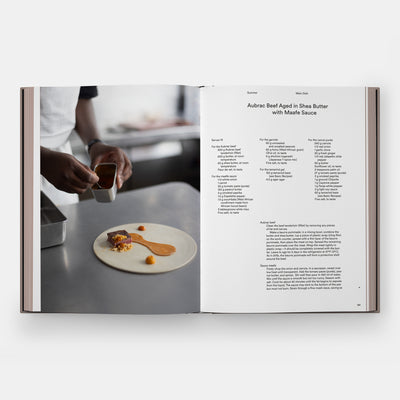
 Mory Sacko, plating Aubrac beef matured in shea butter with maafe sauce. Photography: Tiphaine Caro
You were fascinated by manga as a child, was that the start of your fascination with Japanese culture? It started with manga, as you say. Then I became interested in discovering Japanese flavours. I was living in Paris, so I started visiting Japanese restaurants here. Later, I found myself in a kitchen where around 80 per cent of the team were Japanese. I became very curious and started asking my colleagues how they made things, or how they approached particular dishes. I was very curious.
They were incredibly generous and happy to show me. They came from different parts of Japan, so I was able to discover different approaches and traditions. I'd ask one colleague how they made their dashi, then another how they did it differently. I found it fascinating. I learned a lot with them. It was also a very human experience. I learned about where they came from, how they lived and the differences between growing up in a big city and in the suburbs. I learned so much from them, both about food and about people.
How would you define your cooking style? You have West African, Japanese and French influences, but is there something else that ties it all together? I would describe it as very free and open. The idea of openness is central to everything we do. We draw inspiration from three different continents, so it's important to have an open mind. That applies both to me as a chef and to the people experiencing the food. You can't sit down, decide you already know everything about a cuisine and expect to enjoy it fully. You have to be open to enjoy the food and discover something new. I’m also open in the way I approach cooking. There are no bad ideas. I want to experiment, try different things and see where they lead. You have to be open-minded to work with me in the kitchen. For me, openness is everything.
 Wild garlic orzo with mussel and rocamadour jus. Photography: Tiphaine Caro
Your food brings together different cultures. Is there a particular ingredient, dish or culinary tradition from your childhood that you'd like the rest of the world to discover? I would love to see West African cuisine become much better understood internationally. When people think about African food, they often immediately think of chilli or spice. But West African cooking is also about umami. Not every dish is hot or heavily spiced. There are some wonderfully delicate flavours and subtle combinations. I think it's important to challenge those assumptions and show people the real breadth of West African cuisine. More than anything, I want to get people talking about it and appreciating it for what it is.
Is there a dish on your restaurant menu you'd happily eat every day? There are so many, but one that comes to mind is a dessert inspired by thiakry. It's popular across West Africa, including Senegal, Mali and Ivory Coast. Traditionally, it's made with fermented milk and millet. I've always loved the original, but it's quite rich and substantial. It's almost a meal in itself. I wanted to capture all those flavours while creating something lighter and smoother. We make a mousse with fermented milk, create a crumble and serve it with date sorbet. It has that wonderful combination of being indulgent and refreshing at the same time. I could happily eat it every day.
 Chocolate tart, wasabi ice cream, warm chocolate and wasabi mousse. Photography: Tiphaine Caro
You've cooked for many famous and important people. Do you get nervous cooking for someone like President Macron? I'm not nervous. I'm really proud, actually. As I said, part of my mission is to put West African cuisine on the map. We're cooking French cuisine at the restaurant, but it's wonderful to show that someone with African roots can bring these influences into it. President Macron was really curious because you could really sense both cultures in the food.
What did he say? At first, he seemed quite surprised. I think he expected the food to be spicy, because there was a lot of flavour in the dish. But when he tasted it, he realised how delicious and balanced it was. He was surprised by the flavours and asked for more. So, of course, we gave him more!
Which is more nerve-racking: cooking for the President or cooking for a Michelin inspector? I think I'm more nervous about the Michelin inspector!
Or your mother? My mother is the worst! She's never satisfied. She's always challenging me because she thinks she's the best cook. It's a competition and I cannot win this competition!
Is there anyone you'd particularly love to cook for? I think Barack Obama. That would be really cool, because he loves food. And Michelle Obama, too. I think it would be really interesting because I imagine they'd be curious about food and enjoy talking about it, as well as everything else. They would both be wonderful guests. I think you can recognise people who genuinely love food.
 Turbot kedjenou, three-chile sauce. Photography: Tiphaine Caro
It’s your last day on Earth, what are you eating? There's a kebab restaurant in Paris called Urfa Dürüm, in the 11th arrondissement, near Château d'Eau metro. They make everything fresh in front of you. It's a really interesting place, and the kebab is fantastic. I think I'd go there and sit on the terrace.
Is there any food you just can't stand? I think almost anything can be delicious or unpleasant, depending on how it's cooked. But if I had to choose one thing, it would probably be strong cheese. I'm not a big fan of particularly strong cheeses.
Isn’t there a law in France against not liking cheese? Haha, yes, it's almost a crime in France! People take it very personally. They'll say, 'What do you mean you don't like cheese? You have to try the cheese from my family, from my region!' I don't even tell people I don't like cheese any more, because I know what will happen. They'll say, 'Come back next week and we'll bring you some.' People are so passionate about it!
 Ikura gunkan-style roast fig, tapioca, salmon roe. Photography: Tiphaine Caro
You've collaborated with fashion houses such as Louis Vuitton and Ralph Lauren. Is getting dressed a creative act for you, in the same way that creating a menu is? Absolutely. My parents always taught me that I should be well dressed and well-presented whenever I went out. It's something I've carried with me since childhood. For me, getting dressed is another way of expressing creativity. It's different from cooking, but it's equally important. I love having a sense of style and thinking about how I present myself.
Working with the fashion industry is fascinating, too. Some of the most beautiful brands in the world are doing incredibly creative things, and it's exciting to be able to develop ideas with them as a creative mind. The scale of a collaboration with a house like Louis Vuitton is extraordinary. You're suddenly part of this huge creative machine, with so many people and so many possibilities. You find yourself making decisions about colours, fabrics and details, and watching everything come together. It's quite incredible how quickly an idea can grow into something so big. It’s impressive.
You have a playlist on your restaurant website. Is there one song that goes well with food, perhaps something you always play at a dinner party? We don't play music in the restaurant kitchen because I prefer to work in silence. But at home, there's one song I particularly love: Yamore by Salif Keita and Cesária Évora because it reminds me of my mother. She always used to listen to it while cooking, so it's a song that brings back a lot of memories. I love cooking to it.
 Mosuke, Paris. Photography: Tiphaine Caro
What's your go-to dish when you're having people over for dinner at home? I'm quite lazy when it comes to cooking for guests at home, so I like to make something rustic and simple: a good roast chicken. You put the chicken on top of some potatoes with butter and let everything roast in the oven. The chicken fat runs down and coats the potatoes, so they cook in all those juices. On the side, I'll make a mayonnaise with roasted garlic and serve a little salad, and that’s it. You just need a good bottle of wine and you're good to go!
Have you ever set a kitchen on fire? Too many times! Luckily, nothing too serious. I've seen a few fryer fires, but you learn how to deal with them. You just have to cover them properly. I’ve worked in hotels where we're very well prepared for these situations, so when something happens, everyone knows what to do and wants to do it! It’s competitive! I've never seen an entire kitchen go up in flames, but I've certainly seen a few fires. It's part of the job, and you have to be prepared, not scared.
 Infusing. Photography: Tiphaine Caro
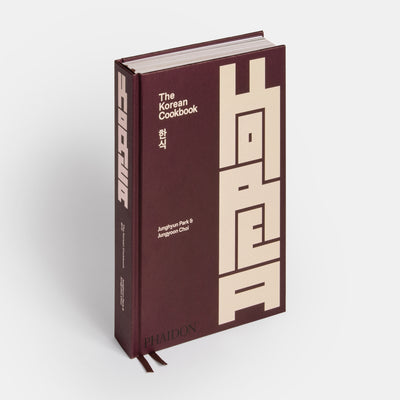
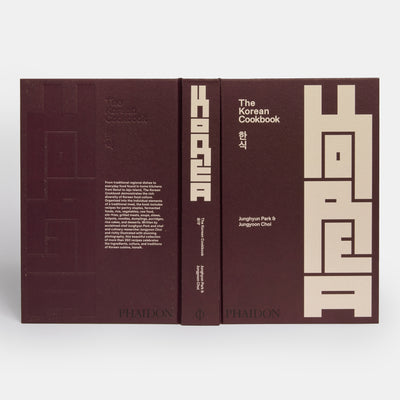
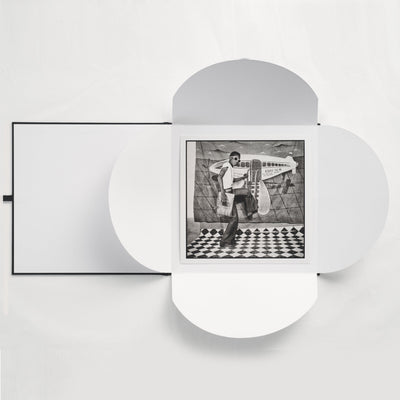
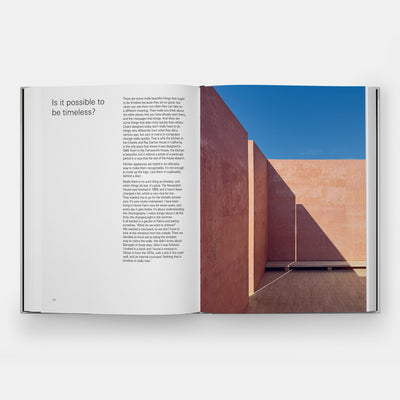
The typography on the cover of your book is really special, tell us about it. Yes. We developed our own writing system for the book. It's inspired by Japanese kanji, but also by ancient West African writing traditions. We wanted to bring those influences together and create something entirely new. It's still a work in progress. The symbols on the cover represent different elements. It's a syllabic writing system, and we're continuing to develop it. I think it will take us another couple of years to complete because there are so many words and ideas to translate. We're taking our time, but it's a really cool project.
What was the central idea you wanted to communicate through the book? What was most important for you to convey? The most important thing was to help people understand my cuisine and where it comes from. The French title of the book is Cuisinier, and the idea is to tell the story behind the cooking: the chef, the cuisine and the journey that brings them together. It's about where we grew up, where our food comes from, how we develop as cooks and, eventually, how we make the dishes themselves. I wanted to focus not just on the chef as some celebrated figure, but on the people who actually cook in the kitchen and genuinely love what they do. That's an important part of the story I wanted to tell.
 Mory Sacko, charring wild garlic leaves with a blowtorch. Mosuke, Paris. Photography: Tiphaine Caro
You've received so many accolades and awards throughout your career. Is there one award or recognition that has meant more to you than the others? For me, the most important thing is simply to remain free. I've received a lot of recognition, and of course that's wonderful, but I want to be free to do what I want, when I want. At the moment, I feel incredibly fortunate to have that freedom and to be able to create without restrictions. All the accolades are cool, but if I had them and wasn't free to do what I wanted, I wouldn't be happy. For me, freedom comes before everything else.
Get your copy of Mory Sacko A Cook's Journey, here.