
















![Handwork: Handcrafted Objects that Made America [Craft in America]](http://www.phaidon.com/cdn/shop/files/M-handwork-en-3727-3d-standing-front-3000_cf7b8381-b3a2-41fd-86da-6fe623fb0a35.jpg?v=1784715138&width=400)
![Handwork: Handcrafted Objects that Made America [Craft in America]](http://www.phaidon.com/cdn/shop/files/M-handwork-en-3727-3d-overview-3000_038c21c2-0af7-41e2-8a96-9b0beaf9c2d6.jpg?v=1784715138&width=400)
![Handwork: Handcrafted Objects that Made America [Craft in America]](http://www.phaidon.com/cdn/shop/files/M-handwork-en-3727-3d-spread-1-3000_675d5a59-80e7-4b98-bb57-f9d68d61b20d.jpg?v=1784715138&width=400)
![Handwork: Handcrafted Objects that Made America [Craft in America]](http://www.phaidon.com/cdn/shop/files/M-handwork-en-3727-3d-spread-2-3000_a21c9230-7856-470d-8101-09ae2fef75e3.jpg?v=1784715138&width=400)
![Handwork: Handcrafted Objects that Made America [Craft in America]](http://www.phaidon.com/cdn/shop/files/M-handwork-en-3727-3d-spread-3-3000_6dbd48c4-eaab-4b0d-86a2-19b97d8be954.jpg?v=1784715138&width=400)
![Handwork: Handcrafted Objects that Made America [Craft in America]](http://www.phaidon.com/cdn/shop/files/M-handwork-en-3727-3d-spread-4-3000_851a14d9-3b23-4197-85c5-3a4503b24548.jpg?v=1784715138&width=400)
![Handwork: Handcrafted Objects that Made America [Craft in America]](http://www.phaidon.com/cdn/shop/files/M-handwork-en-3727-3d-spread-5-3000_232b034c-682e-4a6f-b47b-81d5a99dd497.jpg?v=1784715138&width=400)
![Handwork: Handcrafted Objects that Made America [Craft in America]](http://www.phaidon.com/cdn/shop/files/M-handwork-en-3727-3d-spread-6-3000_4c787d9d-1fb6-4812-9652-d15d93423bc0.jpg?v=1784715138&width=400)


























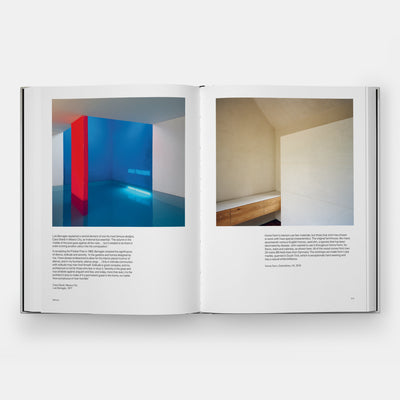
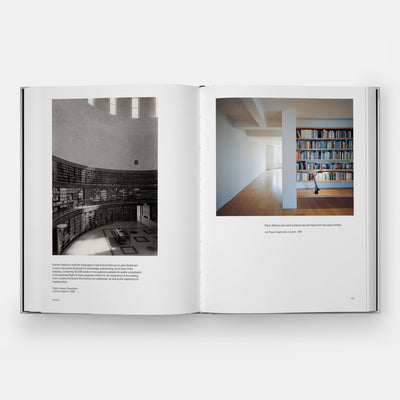
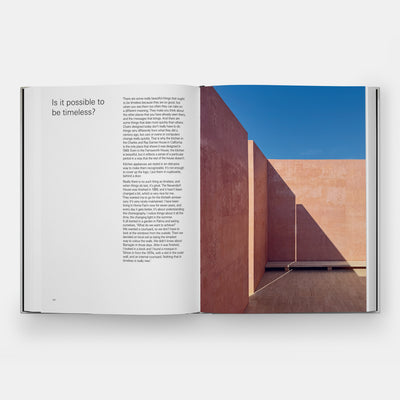



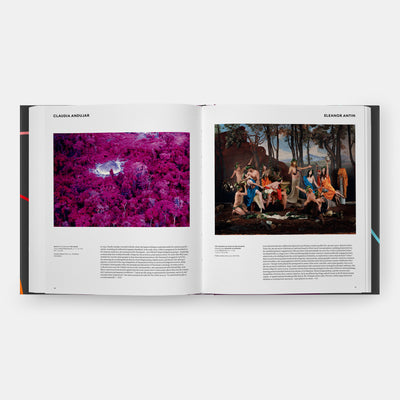

























Whether your travel tastes turn to snow-capped alps, crystal clear waters, fine dining, natural wonders, extreme sports, or cutting-edge spa treatments, you’ll find a whole world of possibilities and pleasures in Explore Leading Hotels of the World.
The book is the third in our series with the luxury hotel chain and introduces a new design element with smaller-trim-size inserts spotlighting three incredible regions, Sicily, Hawaii, and Thailand.
Printed on a different paper stock, these pages within the book offer multiple itineraries for day trips planned by locals, alongside their recommendations for what must not be missed.
An illustrated index which is a travel guide in itself, as well as an introduction by a cultural leader are fixtures in the series which includes the previous books Design and Culture.
Every savvy traveler will find something to pique their interest among more than 80 featured hotels, across 5 continents - the ultimate destinations for well-being and adventure. Here are 5 fantastic getaways featured in Explore: The Leading Hotels of the World.
La Casa de la Playa, Playa del Carmen, Mexico

Photograph: Courtesy The Leading Hotels of the World Ltd. and La Casa de la Playa
Flanked by dense jungle and a sandy stretch of private Riviera Maya beach with cerulean waters, La Casa de la Playa couples serenity and nourishment with sensorial excursions through the Yucatán. The all-suite property’s approach to exploration is twofold: from inside each of the 63 suites, where local Aurelia jellyfish are on view in marine observation tanks, and throughout the region’s natural splendors, with tours of local islands and nighttime swims in crisp underground rivers. La Casa de la Playa’s team organizes adventures and provides unlimited access to vehicles with drivers. These outings range from stalactite tours in nearby caverns to private dining at the Cenote Río Azul (one of Mexico’s natural freshwater pools that the ancient Mayans believed was a sacred portal to the afterlife).
Additionally, the Caribbean provides access to open-sea activities, whether paddleboarding and kayaking or leisurely jaunts aboard yachts and catamarans. An exploratory vantage infuses La Casa de la Playa’s culinary offerings, as well. The property’s gourmet ventures tap the imaginations of leading culinary talents. Chef Martha Ortiz helms the poetic immersion into Mexican flavors at Tuch de Luna. The Rivera-Río brothers, founders of the Michelin starred restaurant Koli in Monterrey, steer the gastronomy at both Lumbre and Centli. At Xal, Spanish chef Andoni Luis Aduriz, of the Michelin-starred Mugaritz, blends three cooking traditions—Mexican, Filipino, and Basque—through the lens of historic trade routes. Within the Muluk Spa, organic products and traditional therapies accompany salt rooms, mud rooms, a sauna, and steam and cold rooms with ocean views, plus dedicated relaxation areas. A visual exclamation point to the property, its infinity pool extends out toward the sea and allows for a 130-foot (40-meter) swim to take in the complete panorama.
Rayavadee Krabi, Thailand

Photograph: Russel Wong
Accessible only by boat, Rayavadee opened in 1993 along a trio of sandy beaches that spill into the white-capped Andaman Sea on southern Thailand’s Phranang Peninsula. The lush primeval jungle here on the border of Krabi’s marine park is home to more than 300 flora varieties including tamarind, gooseberry, mango, and coconut palm trees as well as traditional Thai medicinal plants and the lotus flowers favored for local Buddhist offerings. Langur monkeys traipse across the tree canopy of this tropical wonderland that’s also home to yellow-beaked hornbills and monitor lizards.
No trees were cut down during construction of the 94 two-story circular pavilions designed to echo the area’s rounded cliffs and the seven sprawling villas with private pools. Natural light and ocean breezes flow into these high ceilinged interiors with polished local woods, beckoning daybeds, and natural-fiber textiles. All four dining venues, too, are open to the tropical elements, with the aptly named Grotto restaurant set within a natural cave.
To maintain this fragile ecosystem, Rayavadee regularly organizes beach cleanings, mangrove plantings, and marine life repopulation efforts. At the Rayavadee Spa, therapies draw on Thai healing traditions to stimulate well-being while kneading out muscle knots with palm strokes, thumb pressure, and basalt stones along the body’s Sen Sib meridian lines. Cooking classes impart classic royal recipes and deceptively simple fruit-carving skills. Heading deeper into Krabi’s stunning natural surroundings, guests can kayak through pristine mangroves, climb karst limestone outcroppings, windsurf and paddleboard in the Andaman’s cerulean waters, and take a boat to Chicken Island for swimming and snorkeling amid tropical fish.
Botania Relais & Spa, Forio, Italy
 Photograph: Botania Relais & Spa
Enveloped by a 7.4-acre (three hectare) botanic garden, abundant with olive, fruit, and carob trees and wedged between the lost-in-time waterfront villages of Forio and Lacco Ameno, the family-run Botania Relais & Spa on the Italian island of Ischia opened in 2020 and operates seasonally from April to October. Stone pathways lined with soaring palms lead to 10 whitewashed Mediterranean-style villas housing 40 guest rooms and suites where ceramic tile floors mesh with tasteful décor in pale seafoam and eggshell blue, all of them facing either aromatic greenery or Mount Epomeo.
Within these verdant grounds, where Botania hosts outdoor yoga sessions, the Garden Spa enhances the already elevated level of relaxation with its two indoor thermal pools, a Turkish bath set within a natural cave, and four treatment rooms for plant based therapies. Ischia’s spring water fills the outdoor pool, lined with oversize sun loungers and shaded pergolas. For something quintessentially Ischian, the hotel’s executive chef leads guests in preparing traditional dishes from family recipes at Nonna Marì’s Kitchen, one of Botania’s three restaurants, along with Il Corbezzolo and the Michelin-starred Il Mirto.
From this calming seaside sanctuary, it’s a short stroll to San Montano Beach, an idyllic sweep of sand flanked by forest and flowers, and to the therapeutic pools dug into the mountainside at Negombo Thermal Park. Farther afield, guests can scoot around Ischia’s verdant landscapes and photogenic villages on a vintage Piaggio Ape three-wheeler; visit Villa Arbusto where the Archaeological Museum of Pithecusae displays Nestor's Cup, the first example of inscriptional writing, which dates back to 750–700 B.C., when the island was a Greek colony; and swim above the submerged ancient Roman city of Aenaria.
Atacama, San Pedro de Atacama, Chile
 Photograph: Nayara Resorts
Aside from the North and South Poles, the Atacama Desert in northern Chile—wedged between the Andes Mountains to the east and the Chilean Coastal Range to the west—is the driest place on Earth. Perhaps counterintuitively, it also teems with life and abounds with natural wonders: steaming geysers, flamingo-dotted salt pools, towering volcanoes, skies luminous with stars, high-plateau lagoons graced by roaming vicuñas, and salt flats that glisten in the sun but look like the moon. Most travelers stay in the heart of San Pedro de Atacama, one of the desert’s largest adobe villages, and arrange to visit the desert’s attractions with local tour operators. Set apart in a serene oasis just outside San Pedro, the 42-room Nayara Alto Atacama takes care of all those logistics for its guests who simply show up for their daily guided adventures.
Given Atacama’s remote Southern Hemisphere location, guests typically arrive here after long international journeys. The resort itself is designed to encourage tuning in to the surrounding natural wonders from the moment they check in. Crafted by Chilean interior designer Enrique Concha to foster deep connections with the sunbaked desert, the adobe style accommodations feature soothing earth tones and vibrant handwoven throws by Atacama artisans. Suites extend to outdoor showers enhanced by views of the red-rock landscape and private patios overlooking a glassy lagoon that reflects the surrounding mountains like a sunlit mirror. Every stay begins with a private consultation for guests with one of Nayara’s excursion planners who then tailors each itinerary to match individual preferences.
Pursuits are divided into four broad “Excursions” categories: Adventure, Cultural, Astronomical, and Contemplative. The Atacama is the kind of place that invites existential reflection—especially during stargazing sessions. Because of its high altitude and dry climate, the Atacama Desert has some of the clearest skies in the world, making it a favorite destination of professional and amateur astronomers alike. Nayara makes it easier than ever— and more special—for guests to experience this celestial drama, offering the only open-air circular observatory at a hotel in the entire region, allowing for the broadest, most awe-inspiring views. Set behind the property’s last row of villas and up a winding, dimly lit path, Nayara’s observatory is equipped with a powerful 16-millimeter Dobson telescope capable of 100-times magnification and 16 full-length cushioned swivel loungers for guests to recline on as they stare up at the sky.
At Nayara, awe and existentialism are consistently on the menu. But the actual wellness and dining menus are top-notch, too. At the property’s secluded Puri Spa— named for the word meaning “water” in Kunza, the language of the native Atacameño people—locally inspired therapies include a regenerative mud treatment with mineral-rich clay from the highlands, a facial that harnesses the healing properties of quinoa (a regional staple), and a soothing soak in one of the seven on-site mineral baths.
The desert region has long grown corn, potatoes, wheat, and meat, and the menu at Ckelar—the main restaurant overlooking the 23-million-year-old Cordillera de la Sal mountain range—rotates daily with North Chilean specialties that reflect those offerings, from mushroom soup and fresh fig salad to pasta with lamb sauce and chicken with puréed root vegetables. Carménère, the celebrated Chilean red wine made from grapes originally planted in the Médoc region of Bordeaux and now prominent here, too, is always on rotation. Every few nights, Nayara transforms its red-rocks– facing pool deck into a South American barbeque pop-up called Quincho (Spanish for “barbeque area”) that serves up meats sourced from nearby ranches including the unmissable ribs and lots of grilled, locally sourced vegetables. It’s a festive vibe, one where the guests—dressed in their best desert attire—gather to share the day’s astonishing sightings and to prepare for more tomorrow.
Katikies Kirini, Santorini, Greece
Photograph: Katikies Kirini
Santorini is all about the views, and Katikies Kirini is in an especially prime position to take them in. Clinging cliffside in Oia—the most famous of the island’s picturesque towns and villages—each of the hotel’s 26 suites opens onto a private veranda facing the celebrated volcanic caldera. Many boast a plunge pool from which to enjoy Santorini’s signature panorama. Smooth-edged, whitewashed Cycladic buildings trail sun-dappled pathways to the shared infinity pool that appears to spill into the sea. A second cave pool at the ambient spa offers a quintessentially Santorini experience that can be paired with a steam room, alongside Mediterranean-inspired treatments and therapies. Adding to the spa’s heady mix is the couples’ spa suite with a private steam bath.
At the hotel’s cliffside Therasia Restaurant and Katikies Lounge, intimate dinners with sommelier-crafted wine pairings are complemented by sweeping vistas of the Santorini sunset as it sinks beneath the mesmerizing caldera. Tempting as it is to remain at Katikies Kirini day and night, the island’s natural and historic attributes beckon: aboard the hotel’s private yacht to healing hot springs; touring archaeological sites such as the Bronze Age settlement of Akrotiri and the Doric Temple of Dionysus; sipping the bounty at nearby wineries (Santorini’s volcanic soil produces some of the very best white wines in Greece); or on hikes along the path from Oia to Fira, taking in the painterly seascape.

Take a closer look at Explore: The Leading Hotels of the World.