



![Handwork: Handcrafted Objects that Made America [Craft in America]](http://www.phaidon.com/cdn/shop/files/M-handwork-en-3727-3d-standing-front-3000_cf7b8381-b3a2-41fd-86da-6fe623fb0a35.jpg?v=1784715138&width=400)
![Handwork: Handcrafted Objects that Made America [Craft in America]](http://www.phaidon.com/cdn/shop/files/M-handwork-en-3727-3d-overview-3000_038c21c2-0af7-41e2-8a96-9b0beaf9c2d6.jpg?v=1784715138&width=400)
![Handwork: Handcrafted Objects that Made America [Craft in America]](http://www.phaidon.com/cdn/shop/files/M-handwork-en-3727-3d-spread-1-3000_675d5a59-80e7-4b98-bb57-f9d68d61b20d.jpg?v=1784715138&width=400)
![Handwork: Handcrafted Objects that Made America [Craft in America]](http://www.phaidon.com/cdn/shop/files/M-handwork-en-3727-3d-spread-2-3000_a21c9230-7856-470d-8101-09ae2fef75e3.jpg?v=1784715138&width=400)
![Handwork: Handcrafted Objects that Made America [Craft in America]](http://www.phaidon.com/cdn/shop/files/M-handwork-en-3727-3d-spread-3-3000_6dbd48c4-eaab-4b0d-86a2-19b97d8be954.jpg?v=1784715138&width=400)
![Handwork: Handcrafted Objects that Made America [Craft in America]](http://www.phaidon.com/cdn/shop/files/M-handwork-en-3727-3d-spread-4-3000_851a14d9-3b23-4197-85c5-3a4503b24548.jpg?v=1784715138&width=400)
![Handwork: Handcrafted Objects that Made America [Craft in America]](http://www.phaidon.com/cdn/shop/files/M-handwork-en-3727-3d-spread-5-3000_232b034c-682e-4a6f-b47b-81d5a99dd497.jpg?v=1784715138&width=400)
![Handwork: Handcrafted Objects that Made America [Craft in America]](http://www.phaidon.com/cdn/shop/files/M-handwork-en-3727-3d-spread-6-3000_4c787d9d-1fb6-4812-9652-d15d93423bc0.jpg?v=1784715138&width=400)


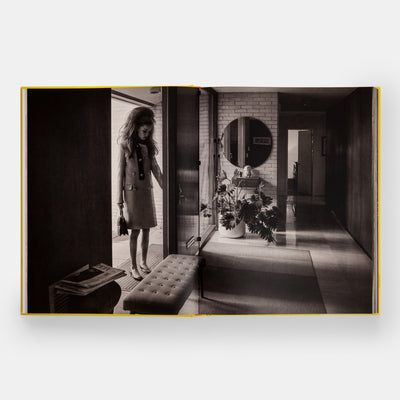
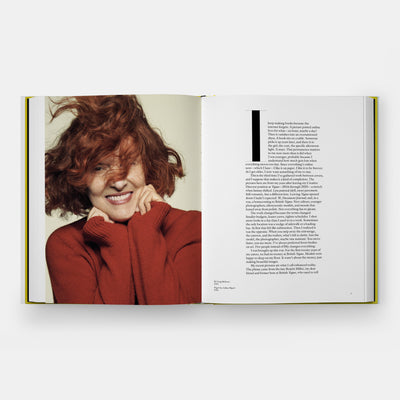
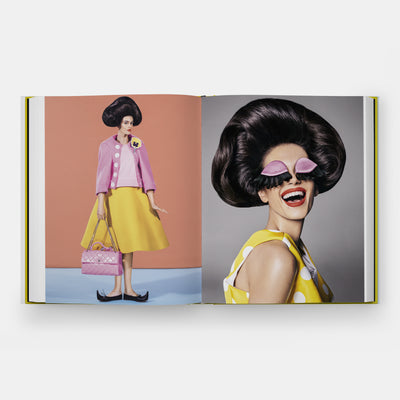
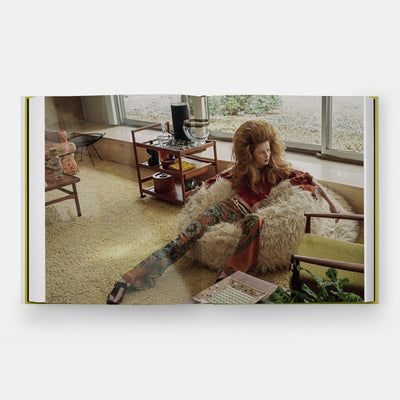
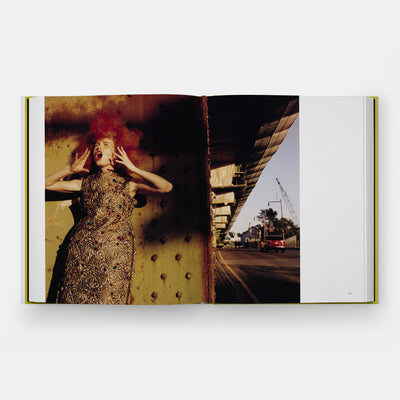
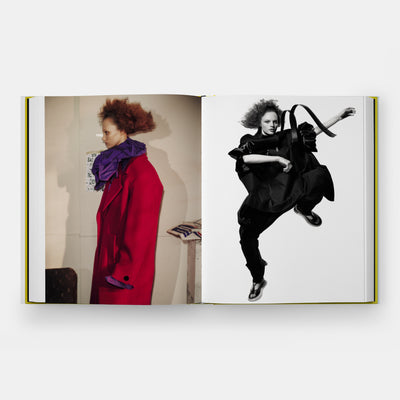
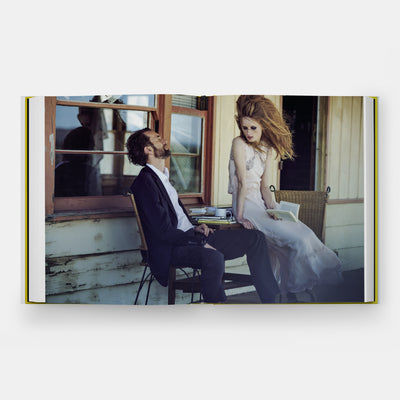




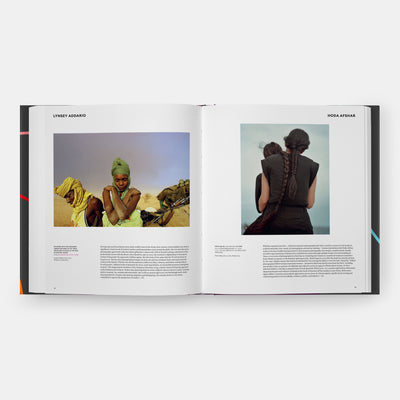
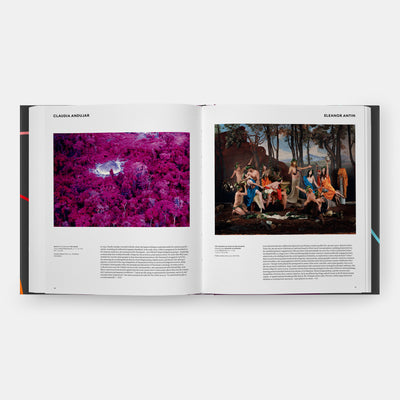
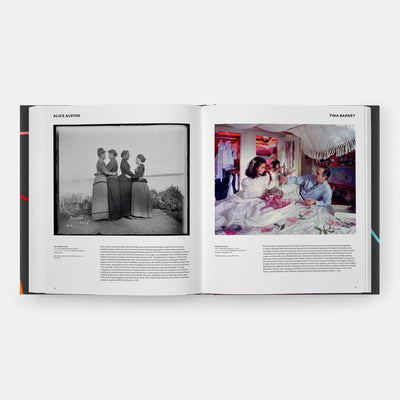
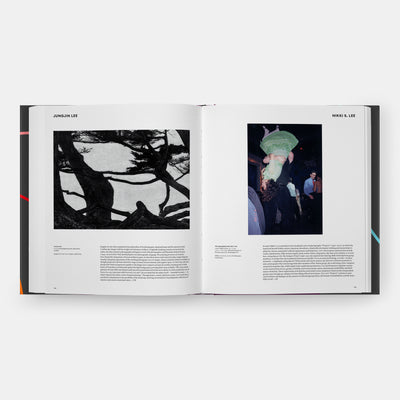















If you thought makeup was merely a way to enhance certain features while downplaying others, you really need to take a look at our new book Blush: Contemporary Makeup Artists.
Over its 250 plus pages, Blush: Contemporary Makeup Artists. reveals makeup as empowering, a means of experimentation, reinvention, provocation, disguise, and protection.

Eszter Magyar, Makeupbrutalism, 2020–2022. Image credit: Photo: Eszter Magyar / Makeupbrutalism
It can be ‘barely there’ or transform someone’s appearance entirely. And in the hands of the finest practitioners, it can traverse into a whole other fantasy land.
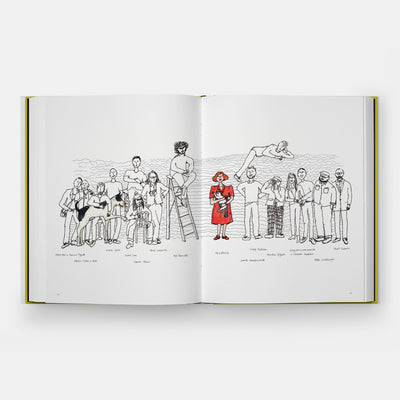
Blush: Contemporary Makeup Artists. is the first global survey to celebrate the bold, radical, and inspiring work of more than 75 international makeup artists working today. Each of whom has been nominated by industry experts – from magazine editors and stylists to curators and art directors.

Eszter Magyar, Makeupbrutalism, 2020–2022. Image credit: Photo: Eszter Magyar / Makeupbrutalism
The makeup artists in the book come from 35 different countries and are a mix of established names such as Lisa Eldridge, Charlotte Tilbury, and Sir John as well as emerging talent like Sean Brady, Raisa Flowers, and Oh Seong Seok.
Take Eszter Magyar for example. This Budapest-born, London-based makeup artist’s path to picking up a makeup brush was through the craft of photography. But a disappointing stint at photography school nudged her sideways into a three-month beauty course in Budapest in 2011. There, unexpectedly, she found her calling.

Eszter Magyar, Makeupbrutalism, 2020–2022. Image credit: Photo: Eszter Magyar / Makeupbrutalism
“I’m usually a very anxious person,” she says, “but with makeup, I felt calm. It felt like arriving home.” After freelancing and assisting, she devoted herself to mastering technique: precision eyeliner and perfect skin tone matches. But as with most creative conduits, the more commercial her work became, the more artistic freedom she craved.
That freedom arrived in 2018, when for a shoot, a photographer told her simply to go wild. No brief, no agendas. The result was what she now calls Makeupbrutalism—a subversive, conceptual practice that uses the language of makeup to critique beauty standards, female identity, and societal pressure.

Eszter Magyar, Makeupbrutalism, 2020–2022. Image credit: Photo: Eszter Magyar / Makeupbrutalism
“It’s a conceptual art project,” she explains, “where I mix human aesthetic with social criticism.” In one of her early works—later hailed as a visual manifesto—she stamped the names of beauty products (foundation, concealer, powder) directly onto the face. The message was clear: makeup isn’t just decoration—it’s codified, scrutinized, and political.
Her works straddle fine art and internet virality. She has exhibited at London’s Wellcome Collection, where she created an immersive bathroom installation playing with mirrors and feminist spatial politics. For the museum’s The Cult of Beauty exhibition, she created an immersive bathroom experience.
“The bathroom is where we’re vulnerable,” she explains. It’s where we face ourselves. And it is a gendered space. Even the height of mirrors—usually calibrated for men—is political.” So she flipped the script and made sure the mirror was at the average height for women. “The installer even asked me, ‘Isn’t this a little low?’ and I said, ‘Yes, that’s the point.’”

Eszter Magyar, Makeupbrutalism, 2020–2022. Image credit: Photo: Eszter Magyar / Makeupbrutalism
Her other works include collaborations with brands such as Gucci, Byredo, and Farfetch, often pushing the limits of their creative briefs. A series for Byredo used macro beauty shots that echoed abstract painting; her Farfetch visuals featured 3D-printed logos casting shadows across her face. Now based in London, Magyar continues to challenge the boundaries of her chosen medium.
“Makeup is more ancient than language,” she says. “It’s communication, not decoration.” Her current roles span art direction and objectmaking—but the questions she asks remain the same: Who defines beauty? And what happens when we talk back?"

Take a closer look at Blush: Contemporary Makeup Artists.