


![Handwork: Handcrafted Objects that Made America [Craft in America]](http://www.phaidon.com/cdn/shop/files/M-handwork-en-3727-3d-standing-front-3000_cf7b8381-b3a2-41fd-86da-6fe623fb0a35.jpg?v=1784715138&width=400)
![Handwork: Handcrafted Objects that Made America [Craft in America]](http://www.phaidon.com/cdn/shop/files/M-handwork-en-3727-3d-overview-3000_038c21c2-0af7-41e2-8a96-9b0beaf9c2d6.jpg?v=1784715138&width=400)
![Handwork: Handcrafted Objects that Made America [Craft in America]](http://www.phaidon.com/cdn/shop/files/M-handwork-en-3727-3d-spread-1-3000_675d5a59-80e7-4b98-bb57-f9d68d61b20d.jpg?v=1784715138&width=400)
![Handwork: Handcrafted Objects that Made America [Craft in America]](http://www.phaidon.com/cdn/shop/files/M-handwork-en-3727-3d-spread-2-3000_a21c9230-7856-470d-8101-09ae2fef75e3.jpg?v=1784715138&width=400)
![Handwork: Handcrafted Objects that Made America [Craft in America]](http://www.phaidon.com/cdn/shop/files/M-handwork-en-3727-3d-spread-3-3000_6dbd48c4-eaab-4b0d-86a2-19b97d8be954.jpg?v=1784715138&width=400)
![Handwork: Handcrafted Objects that Made America [Craft in America]](http://www.phaidon.com/cdn/shop/files/M-handwork-en-3727-3d-spread-4-3000_851a14d9-3b23-4197-85c5-3a4503b24548.jpg?v=1784715138&width=400)
![Handwork: Handcrafted Objects that Made America [Craft in America]](http://www.phaidon.com/cdn/shop/files/M-handwork-en-3727-3d-spread-5-3000_232b034c-682e-4a6f-b47b-81d5a99dd497.jpg?v=1784715138&width=400)
![Handwork: Handcrafted Objects that Made America [Craft in America]](http://www.phaidon.com/cdn/shop/files/M-handwork-en-3727-3d-spread-6-3000_4c787d9d-1fb6-4812-9652-d15d93423bc0.jpg?v=1784715138&width=400)



















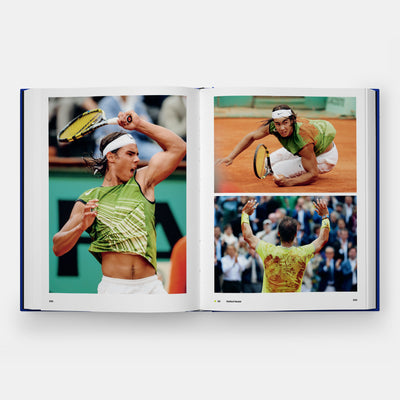


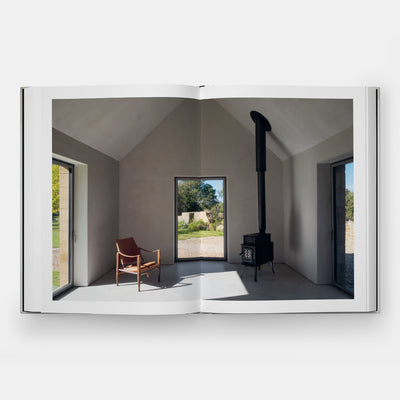
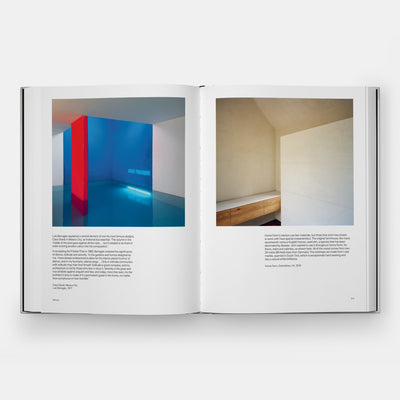
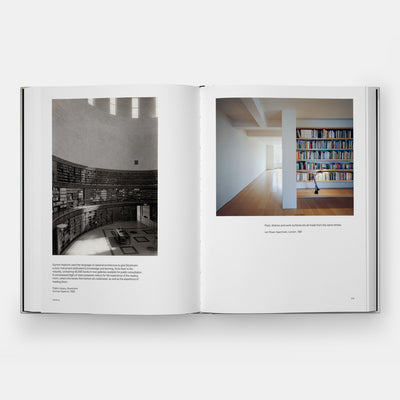
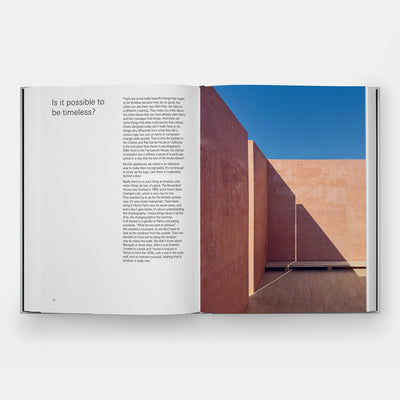


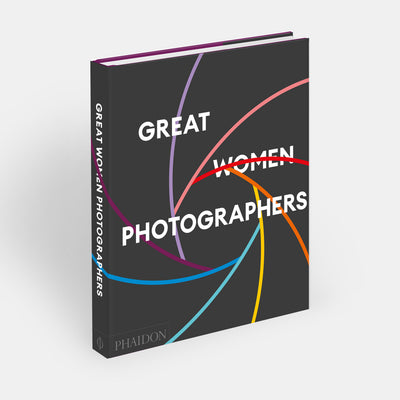


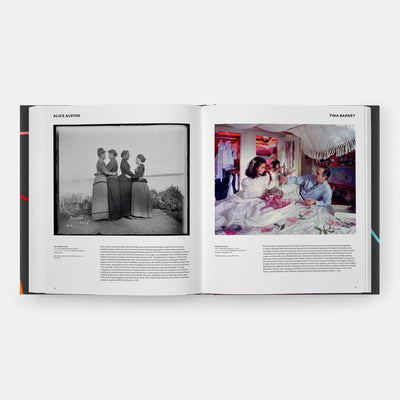
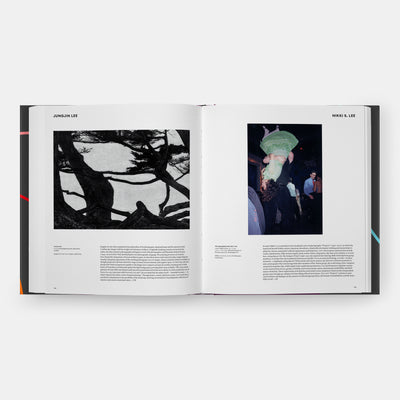
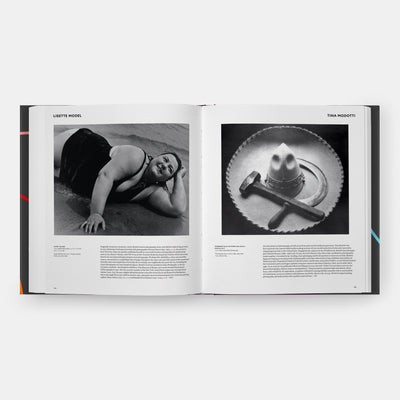
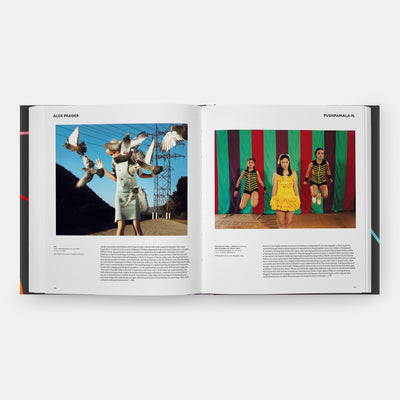


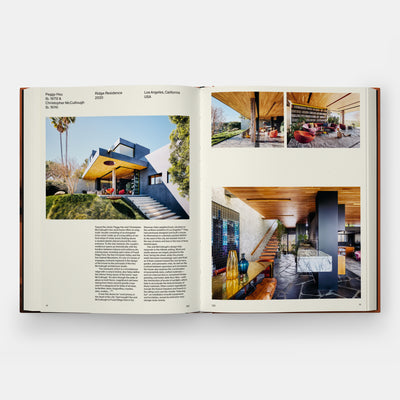
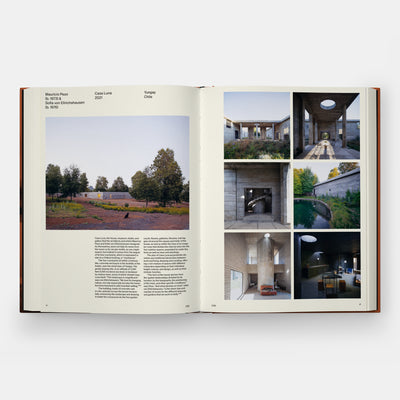
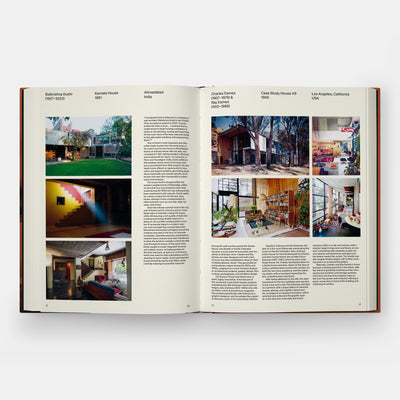
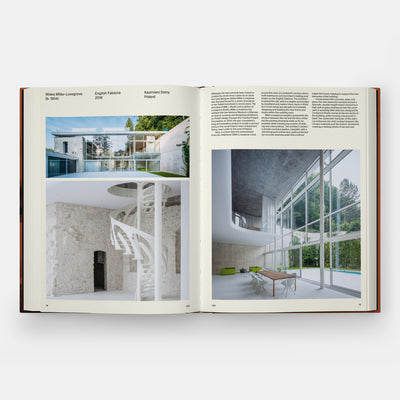
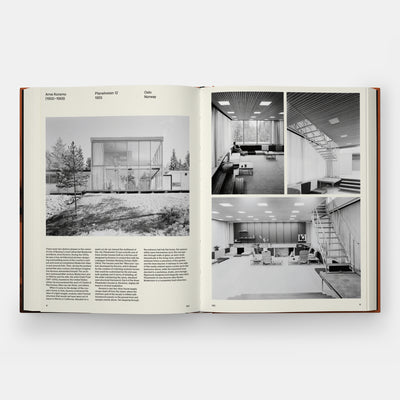
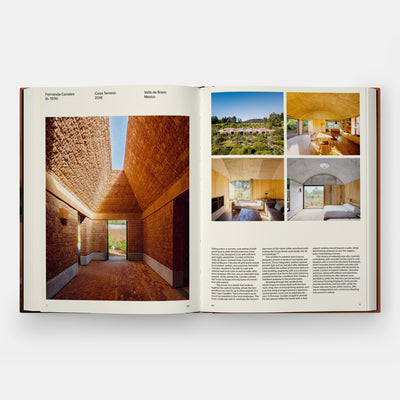
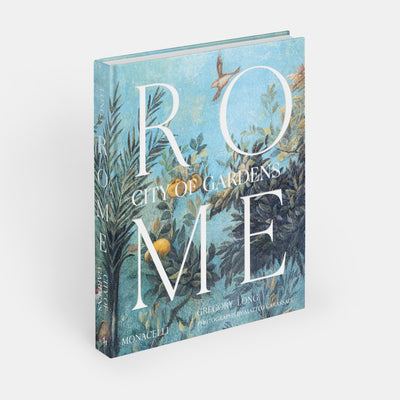





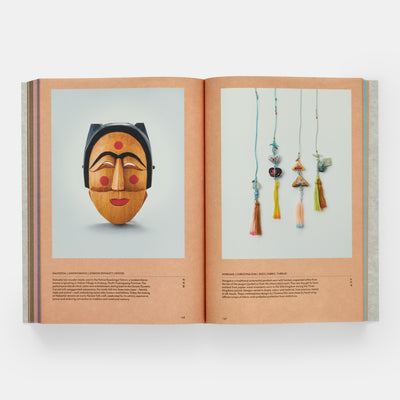












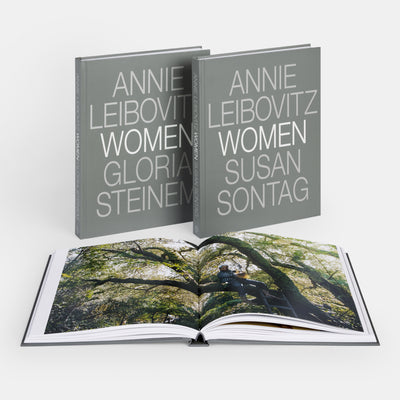
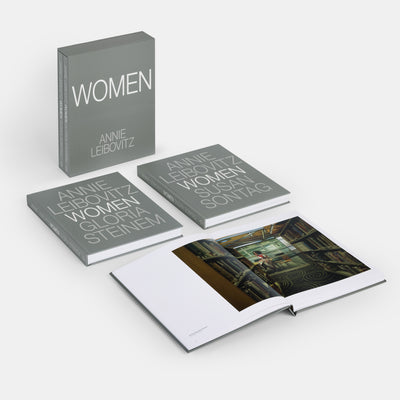
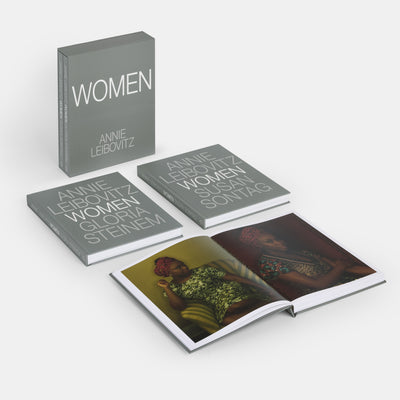
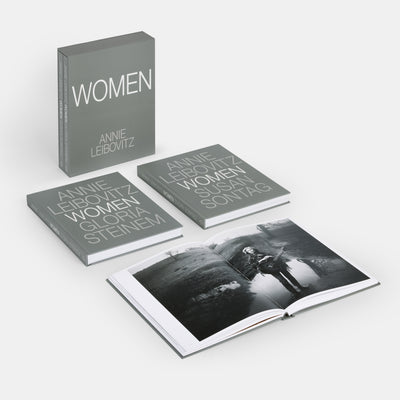
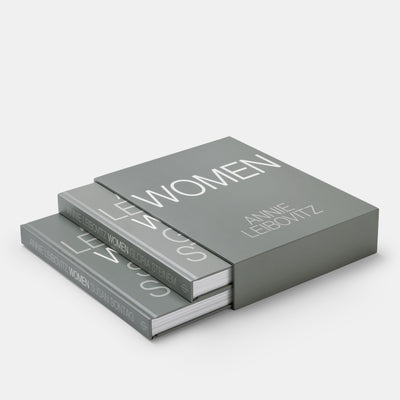
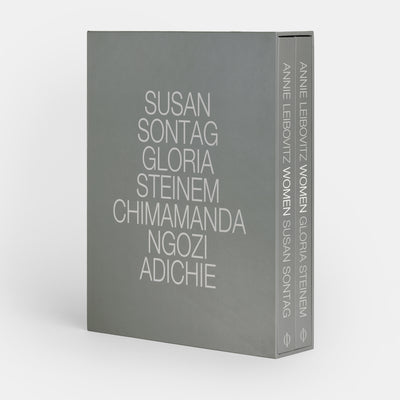
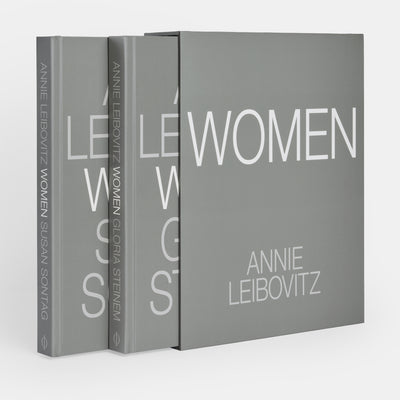
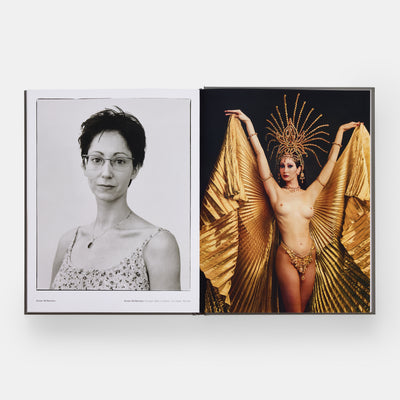
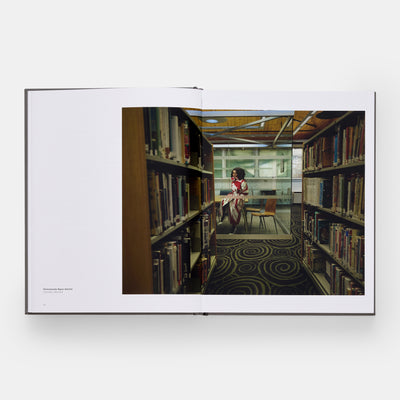
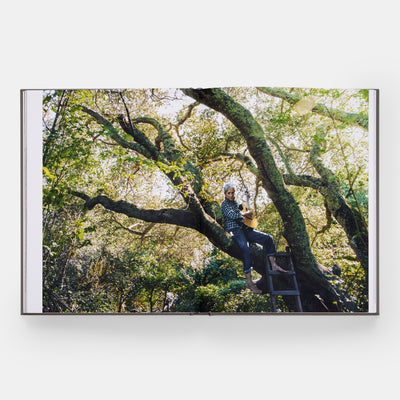
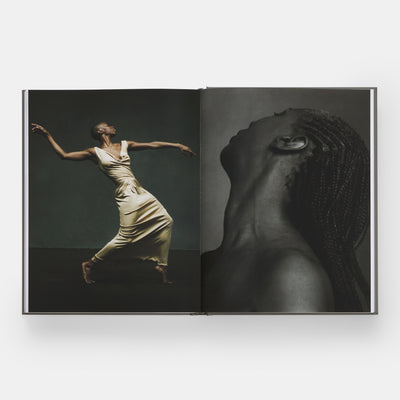
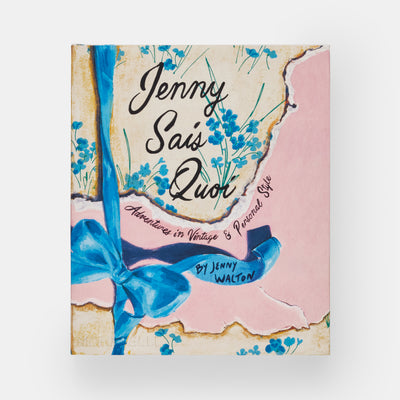
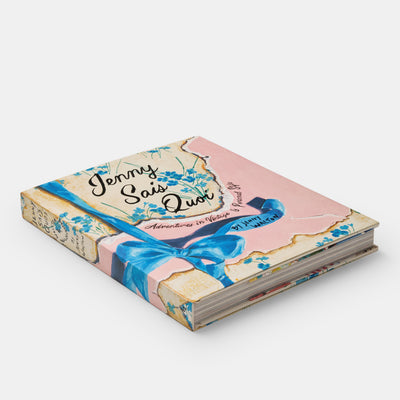
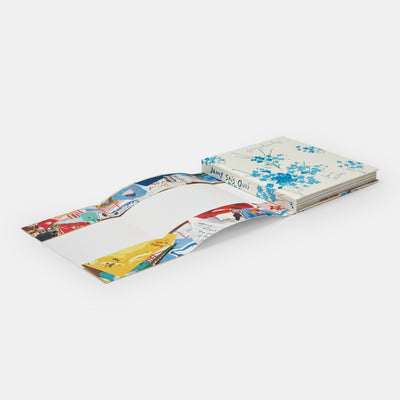
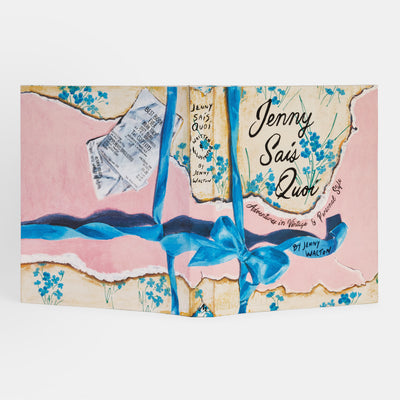
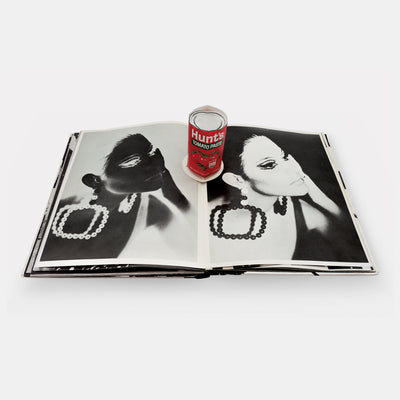
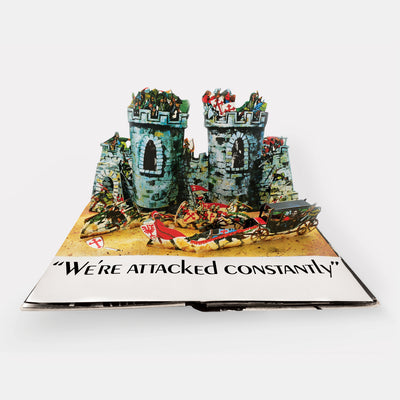
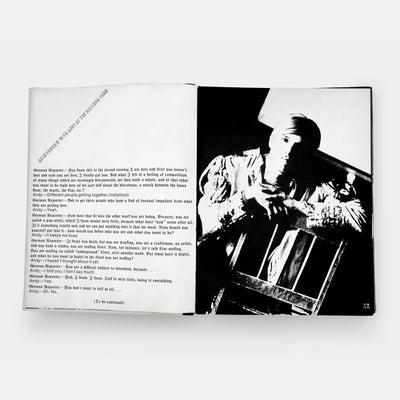
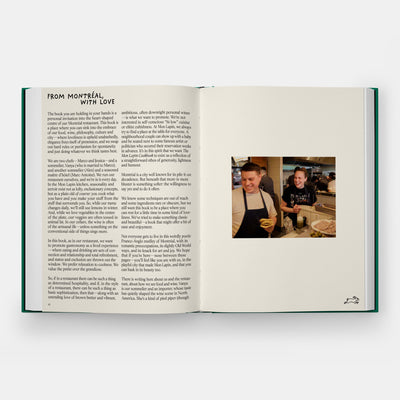
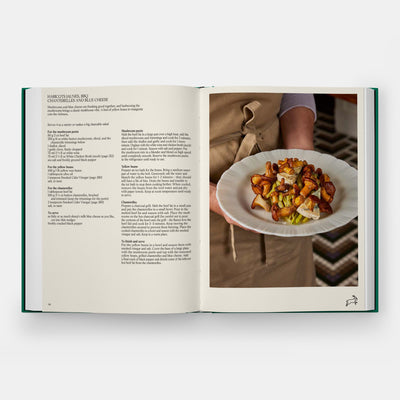
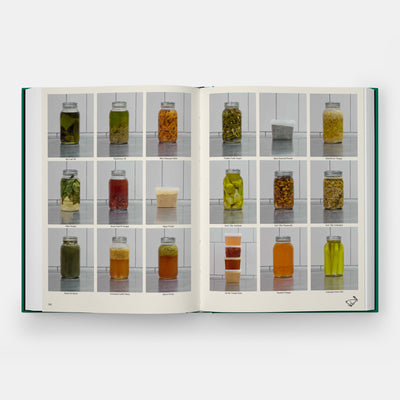
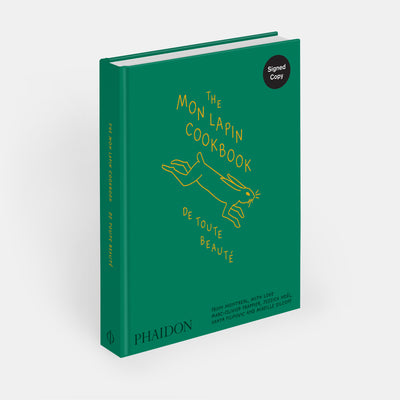
Our new book Handwork is a centuries-spanning celebration of the spirit of a country through its handmade things. 250 years of American life are viewed through over 100 carefully curated craft objects. It’s a truly fascinating survey of the things that made America America and spans an incredible range of items dating from the 9th-century to just last year.
Among the featured objects are a Gee’s Bend quilt; a nineteenth-century silver iceberg-shaped bowl adorned with silver polar bears; Joan Baez’s Martin guitar; a handsewn doll in the traditional regalia of Northeastern Native communities; and a handmade prototype for an iconic Nike track shoe. From a historic Kiowa cradleboard to a traditional Hawaiian surfboard to an example of a first skateboard, each object is a testament to human ingenuity and the power and astonishing ubiquity of craft. It makes fascinating reading for anyone passionate about American history, design, material culture, and the intertwined and overlooked stories that continue to shape America.
Conceived by Carol Sauvion, creator of the award-winning PBS TV series Craft in America, and curated by Emily Zaiden, director and curator of the Craft in America Center, Handwork: Handcrafted Objects that Made America ties in with Handwork: Celebrating American Craft 2026, a hugely ambitious national initiative spearheaded by Craft in America, the nonprofit arts organization and the team behind the PBS TV show, taking in exhibitions and events at more than 150 museums across the country. In the first of a handful of stories from this wonderfully engaging book we take a look at 5 things that immediately caught our eye.
OUT AMONG THE STARS BOOTS, 2009

Out Among the Stars Boots, 2009, Lisa Sorrell (b. 1968). Credit: © Lisa Sorrell. American alligator leather and kangaroo leather, 15 × 12 × 12 in. (38.1× 30.5 × 30.5 cm).
Cowboy boots entered American fashion history in the 1800s, when former U.S. soldiers moved west to herd cattle and farm. Though quintessentially American, these boots have no sole birthplace or creator. Inspired by the Spanish vaquero-style boot of the seventeenth century, they were designed for function: the pointed toe slipped easily into stirrups; the angled heel secured the foot without trapping it; and the stitching kept the boot top upright.
Western movies of the 1940s romanticized cowboy culture down to its boots, influencing their evolution from a fully functional item to a sartorial statement. The toe became narrower and more pointed, while designs grew bolder and more ornate, featuring elaborate stitching and intricate inlays and overlays. This precise work demanded expert design and stitching skills— talents contemporary boot maker Lisa Sorrell possesses in abundance.
Before beginning this vocation, Sorrell ran a successful sewing business in Missouri making dresses for church ladies. She later moved to Guthrie, Oklahoma, with her husband, where she apprenticed with Jay Griffith, a legendary Oklahoma boot maker. After eighteen months mastering the craft, Sorrell established Sorrell Custom Boots, creating handmade boots for discerning clients.
Sorrell was drawn to boot making because it allowed her to apply her exceptional sewing skills and design sensibilities through leather inlays, overlays, and precision topstitching. She also enjoyed the challenge of creating more thought-provoking compositions than the traditional eagles, butterflies, and floral sprays that have become commonplace motifs on cowboy boots. Moreover, boot making enabled her to defy the gender roles that she had been taught through her evangelical church, where women were expected to be homemakers. As a boot maker, Sorrell could hammer, be loud, and engage in physically demanding work considered unladylike. She reflected, “It was like finding out who I’d been all along and I just hadn’t known. I got to sew, be creative, and be artistic.”
“Cowboy boots are an American icon,” Sorrell has stated. “You can show cowboy boots to almost anyone in the world and they instantly connect that with America.” This American identity is powerfully represented in her work Out Among the Stars (2009). At first glance, the boot displays a handsome leather-stitched design of a Western town with two-story buildings, a sheriff’s office, and a white church set against mountains and turquoise sky.
However, this seemingly benign imagery offers deeper commentary on Manifest Destiny. As Sorrell explains, “As the settlers moved West they altered the landscapes, destroyed ecosystems, and obliterated cultures, only to attempt to recreate the way of life they left behind.” Through her craft, Sorrell invites us to walk the line between aesthetic appreciation and critical awareness—between romanticizing the cowboy mystique and acknowledging the cultural displacement that westward expansion wrought upon Indigenous peoples. —Jo Lauria
MOURNING CRAZY QUILT c. 1900
 MOURNING CRAZY QUILT, c. 1900, Unidentified artist. Credit: Courtesy of Julie Silber. Silk, cotton embroidery thread, velvet, lace, 68 × 64 in. (172.7 × 162.6cm), Private collection
In the last decades of the nineteenth century, American women became captivated by the seemingly sudden arrival of a new kind of quilt: the so-called crazy quilt. Makers of fancy crazy quilts commonly embellished scores of irregularly shaped pieces of luxury fabrics with elaborate embroidery, sometimes adding small trinkets, metallic threads, or even oil painting. Fragile and impractical, crazy quilts were intended as showpieces, not as warm bed coverings.
Previously, American quilts had been either appliqué designs, often inspired by the natural world, or composed of geometric, pieced designs. Quiltmakers typically laid out repeating designs in a grid or oriented around a center medallion. Usually made of sturdy materials such as cotton or wool, most quilts were expected to withstand use. Of course, even within these conventions, nineteenth-century women left us an astonishing body of personalized and inventive variations.
By contrast, in their crazy quilts women could ignore practicality and let their artistic visions run wild. Crazy quilting eventually developed its own set of conventions, and many extant examples have a rather generic appearance. However, some makers working within this style created quilts of singularly memorable design, expressing a unique personal vision. Such is the case with this quilt, a tour de force of design and imagery.
Crazy quilt fashion clearly inspired the meandering lines of embroidery around each piece, but the random shaped background pieces all appear to be the same material. Could those black background shapes be pieces of a disassembled garment? The maker’s mourning dress perhaps? In the center, a coffin-like form floats within a shape resembling a star. Inside the “coffin,” a vase holds a single drooping white lily. And surrounding the lily are numerous pairs of overlapping hearts.
The maker appliquéd and embroidered a lone red heart closest to the vase. Other embroidered and appliquéd embellishments appear on the quilt, but not the usual butterflies, horseshoes, owls, and fans that we see repeatedly in classic crazies. Instead, there are American and naval flags, grapes, a tiny man outlined in white, and a girl in a red dress protected by an umbrella. The combination of motifs seems to tell a story—but what is that story?
Is the quilt what it seems—a mourning quilt, perhaps made by a widow? Are the appliqués and embroideries personal images unique to this family’s life? As the quilt’s history is unknown, we can only ascertain so much. But we can often learn a lot by studying a quilt: its age, the skill of its maker, sometimes its geographic or ethnic origin. What we cannot know is what was in the heart of its creator. We can only know how it touches ours. —Julie Silber
ILLUMINATED PIÑATA NO. 21 2024,

Roberto Benavidez (b. 1973), Paper, paperboard, tape, glue, wire, crepe paper, 193/4 × 371/2 × 91/8 in. (50.2 × 95.3 × 23.2 cm), Smithsonian American Art Museum, Gift of Cynthia Lovelace Sears in honor of Handwork: Celebrating American Craft 2026, 2024.28.2.
Deeply rooted in Mexican culture, the piñata has reached new artistic heights in the hands of American artists like Roberto Benavidez. Most Americans know the piñata as a ubiquitous fixture at birthday parties, wedding showers, and celebrations of all kinds. Yet one would never think about bashing and smashing the vivid, meticulously constructed paper sculptures of Benavidez. Stepping out of a fantastical world that melds illuminated medieval manuscripts with Dr. Seuss, a new species of magical and mysterious paper beings come to life in Benavidez’s hands. His beguiling creatures— such as this one, which was inspired by an illustration in a fourteenth-century manuscript known as the Luttrell Psalter—explore dualities of permanence and ephemerality, fragility and stability, and more. Benavidez defies hierarchical artistic categorization through his imaginative reinvention of material and tradition.
Many believe the piñata spanned centuries and several continents before flourishing in Mexico. It is theorized that between the late thirteenth and early fourteenth centuries, Marco Polo and early traders witnessed an ancient Chinese spring ritual in which a clay ox, filled with seed, was shattered by officials to inaugurate the start of the laborious farming season. This Dachunniu (“hitting the spring ox”) custom may have been imported by the explorers to Northern Italy, where it eventually became known as the “pignatta,” referring to the Italian name of a clay pot in the shape of a pine cone, or “pigna.”
Simple ceramic vessels filled with candies and fruit were broken during festivities around the time of Lent in Italy and Spain in the fourteenth century. Spanish Catholic missionaries transferred this tradition to the Americas in the sixteenth century; there they continued using breakable, treat filled vessels for religious celebrations that were part of an indoctrination process for Indigenous peoples.
![Handwork: Handcrafted Objects that Made America [Craft in America]](https://cdn.shopify.com/s/files/1/0711/5292/6820/files/M-handwork-en-3727-3d-standing-front-3000.jpg?v=1783143468)
Folklore suggests that missionaries likely built upon the Native precedent of games and practices involving the shattering of clay pots. The classic sevenpointed star piñata is another reflection of this colonial history. The points are said to signify the seven deadly sins, while the act of destroying the piñata when blindfolded represented unquestioned faith and the triumph of good over evil. Until just a few decades ago, when paper and cardboard became more commonplace, piñatas in Mexico were commonly made with ceramic cores that would send shards flying when shattered.
The impermanence, informality, whimsicality, and popularity of piñatas are all potential reasons for their omission in art history. The cultural marginalization of those who have predominantly made piñatas also factors into this overlooked artistic format. Yet piñateros have always shown how piñatas are shape-shifters that can take any form, be that of plant, animal, object, or idea. Benavidez melds all of these together, attentively building cardboard skeletons and trimming feathers and fur, all the while tearing down the misperception that piñatas are inherently delicate. Paper is a material that is entirely accessible, versatile, and surprisingly durable. His otherworldly designs are neither fragile nor throwaway objects. By inverting the common perception of piñatas as fleeting objects for playful destruction, Benavidez highlights the possibilities of humble materials, fine craftsmanship, and cultural innovation to endure and evolve. —Emily Zaiden
LARGE TURQUOISE URCHIN BASKET 2019

LARGE TURQUOISE URCHIN BASKET 2019, Jeremy Frey (Passamaquoddy, b. 1978), Brown ash, sweetgrass, dye, 5¼ × 11½ in. (13.3 × 29.2 cm), Smithsonian American Art Museum, Washington, DC, Museum purchase through the Kenneth R. Trapp Acquisition Fund, 2020.55.
It would be sufficient to look at this Jeremy Frey (Passamaquoddy) basket and let its visual impact speak for itself. The pleasingly sculptural shape inspired by sea urchins, the intricacy of the precisely cut and interwoven strips of brown ash, and the textured surface animated with projecting turquoise points make for a stunning artistic statement. However, as with so many creative endeavors, the story behind the artistry is just as complex and awe-inspiring. This urchin basket represents not only a significant achievement for the maker but also a landmark for the revitalization of the people’s cultural and artistic heritage.
The Wabanaki peoples (Maliseet, Penobscot, Micmac, and Passamaquoddy) have been transforming trees into baskets for generations. In fact, the Wabanaki literally trace their lineage to a tree, believing that they emerged when their ancestor Glooskap pierced an ash tree’s bark with his arrow. Toward the end of the twentieth century, however, Maine Indian basket makers were experiencing threats to their traditional practice: the average age of the fewer than fifty remaining makers was sixty-three; the market for their wares was not strong enough to provide a livelihood; and their access to suitable trees was becoming increasingly limited, mainly due to environmental changes brought on by climate conditions.
In 1993, the Maine Indian Basketmakers Alliance (MIBA) was formed and its founding director, Theresa Secord, a Penobscot basket maker, became a driving force behind efforts to revitalize the artistic and cultural tradition. At a 2002 basketry workshop, sixth-generation basket maker Francis “Gal” Frey (Passamaquoddy) asked Theresa if her son Jeremy, then in his twenties, could help prepare wood for a workshop. Theresa agreed. Jeremy credits this opportunity as his first encouragement in the art world. Soon he was harvesting his own wood using ancestral knowledge and tackling more complex basketmaking techniques taught by his mother.
With MIBA’s support, Jeremy’s basketmaking career took off, and through the years his work has become more and more innovative. The use of wooden puzzle molds, pieced forms that baskets such as this one are woven around, is traditional among Wabanaki weavers, but Jeremy created customized molds for unique shapes and larger sizes. With Secord’s encouragement, he began showing baskets at the storied Santa Fe Indian Market, where he won top prize and sold a basket for an astounding $15,000 in 2011. Today, Jeremy’s baskets are collected and widely exhibited.
The conversation between tradition and innovation continues. Jeremy points out that ash tree selection and harvesting are critical to his ability to construct his finely woven baskets in new and complex shapes. He learned that lesson as a boy, when his uncle Fred “Moose” Moore took him into the woods and taught him about the brown ash tree. One of the lessons of the ash is that as you pound the harvested tree to separate the concentric rings, you move through time getting closer and closer to the heartwood. As you travel through lean and lush seasons, reflected in narrow and wide bands of growth, you learn the unique characteristics and potential of that tree. The woven basket becomes a manifestation of that environmental and cultural history. —Barry Bergey
ICE BOWL 1871
 ICE BOWL1871, Gorham Manufacturing Company (est. 1831), Silver, 6 3/4 × 10 3/4 in. (17.2 × 27.3 cm), High Museum of Art, Atlanta, Virginia Carroll Crawford Collection, 1990.85.
Two polar bears crouch and growl as they cling to sheets of floating ice, completing an iconic Arctic tableau. Imagine this bowl piled high with cubes and chips of ice, transforming a dining table into a miniaturized iceberg. As ice melts inside the bowl and chills the silver, a film of frost forms on the outside, exaggerating the smooth, hand-polished planes of the silvered iceberg and its jagged clusters of icicles, which were chased by hand. Water droplets concentrate at these points, dripping down the icicles and onto the table, creating an exotic spectacle when illuminated by candlelight.
Accompanying this bowl was a spoon designed to look like a harpoon, with a polar bear entangled in rope along the handle. Conceived under the direction of lead designer Thomas J. Pairpoint, this theatrical ice bowl was one of the most popular items created by Gorham Manufac turing Company in the 1870s.
Ice harvesting was an important industry across North America in the nineteenth century. Workers cut sheets from rivers that were so clean, the ice shavings could be put directly into drinking water. At the start of the century, a Bostonian named Frederic Tudor developed technology to harvest, transport, market, and sell ice to affluent clients as far-flung as England and India, initiating the international ice trade and the development of iceboxes as a form of early refrigeration. Ice pitchers, buckets, bowls, tongs, and platters made from a range of materials—particularly frosted glass and silver— became popular toward the end of the nineteenth century. To serve ice or ice cream, the newest fashion, at one’s table was a sign of prestige and wealth.
![Handwork: Handcrafted Objects that Made America [Craft in America]](https://cdn.shopify.com/s/files/1/0711/5292/6820/files/M-handwork-en-3727-3d-overview-3000.jpg?v=1783143469)
Indigenous communities of the Arctic region navigated the landscape by hunting seals, walrus, whales, and polar bears. Those same animals frequently appeared in their artistic work, whose motifs directly inspired the era’s decorative wares by makers like Gorham. Iñupiaq artists from the Bering Sea Islands carved polar bear forms into rests for harpoons—the vital tool with which the artist or family member would hunt such an animal for meat, hide, and fur. One example made in the 1880s and now in the collection of the National Museum of the American Indian depicts two bears back-to-back with narrow eyes, snarling teeth, and pulled-back ears to reveal the artist’s acute knowledge of animal behavior. Nonindigenous artists of this period, while increasingly drawn to Arctic themes, romanticized the polar land scape and often incorrectly depicted it as unpopulated.
Early nineteenth-century British and American expeditions to find the Northwest Passage captured the imagination of the public, inspiring artists such as Frederic Edwin Church to envision exotic landscapes of icebergs. The U.S. government, led by Secretary of State William H. Seward for President Andrew Johnson’s administration, purchased Alaska, which included Iñupiaq homelands, from Russia for $7.2 million in 1867. While politicians argued that the purchase would support trade, critics decried the space as uninhabitable for Euro-American lifestyles. The press mocked the purchase, calling Alaska “Seward’s icebox” and “Johnson’s polar bear garden.” Gorham’s ice bowl picks up on both this romanticization and criticism, transforming the image of an iceberg into a bowl adorned only with polar bears. —Christine Garnier
Take a closer look at Handwork: Handcrafted Objects that Made America.