

![Handwork: Handcrafted Objects that Made America [Craft in America]](http://www.phaidon.com/cdn/shop/files/M-handwork-en-3727-3d-standing-front-3000_cf7b8381-b3a2-41fd-86da-6fe623fb0a35.jpg?v=1784715138&width=400)
![Handwork: Handcrafted Objects that Made America [Craft in America]](http://www.phaidon.com/cdn/shop/files/M-handwork-en-3727-3d-overview-3000_038c21c2-0af7-41e2-8a96-9b0beaf9c2d6.jpg?v=1784715138&width=400)
![Handwork: Handcrafted Objects that Made America [Craft in America]](http://www.phaidon.com/cdn/shop/files/M-handwork-en-3727-3d-spread-1-3000_675d5a59-80e7-4b98-bb57-f9d68d61b20d.jpg?v=1784715138&width=400)
![Handwork: Handcrafted Objects that Made America [Craft in America]](http://www.phaidon.com/cdn/shop/files/M-handwork-en-3727-3d-spread-2-3000_a21c9230-7856-470d-8101-09ae2fef75e3.jpg?v=1784715138&width=400)
![Handwork: Handcrafted Objects that Made America [Craft in America]](http://www.phaidon.com/cdn/shop/files/M-handwork-en-3727-3d-spread-3-3000_6dbd48c4-eaab-4b0d-86a2-19b97d8be954.jpg?v=1784715138&width=400)
![Handwork: Handcrafted Objects that Made America [Craft in America]](http://www.phaidon.com/cdn/shop/files/M-handwork-en-3727-3d-spread-4-3000_851a14d9-3b23-4197-85c5-3a4503b24548.jpg?v=1784715138&width=400)
![Handwork: Handcrafted Objects that Made America [Craft in America]](http://www.phaidon.com/cdn/shop/files/M-handwork-en-3727-3d-spread-5-3000_232b034c-682e-4a6f-b47b-81d5a99dd497.jpg?v=1784715138&width=400)
![Handwork: Handcrafted Objects that Made America [Craft in America]](http://www.phaidon.com/cdn/shop/files/M-handwork-en-3727-3d-spread-6-3000_4c787d9d-1fb6-4812-9652-d15d93423bc0.jpg?v=1784715138&width=400)












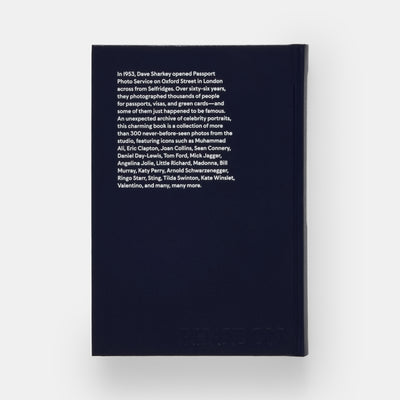
Since opening its doors in 1953, Passport Photo Service – an unassuming studio on Oxford Street in London – photographed thousands of people for passports, visas, and green cards—and some of them just happened to be famous. Promising prints that were ‘Ready in 10 Minutes’ before anyone else in the city, it was a family affair run by professional boxer turned photographer Dave Sharkey, his wife, Ann, and eventually, their son Philip.
Conveniently located near the US embassy and directly opposite the department store Selfridges, Passport Photo Service displayed their enviable collection of famous faces in giant frames hung on the business’s walls.
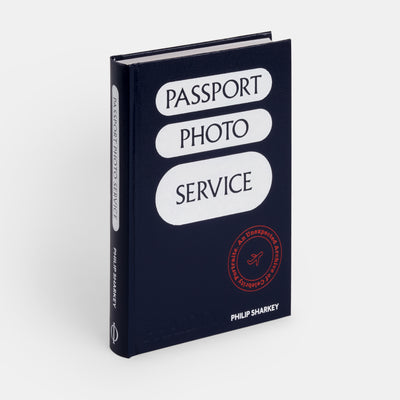
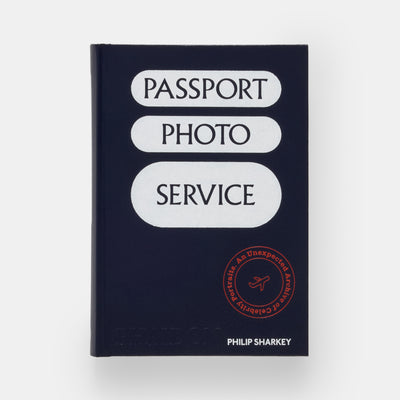
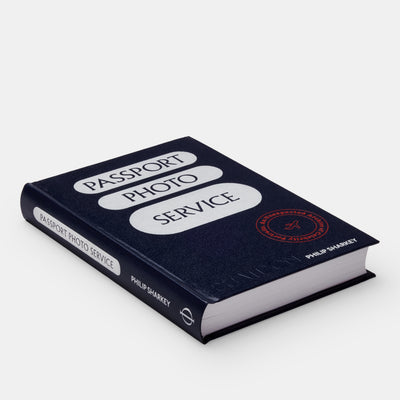
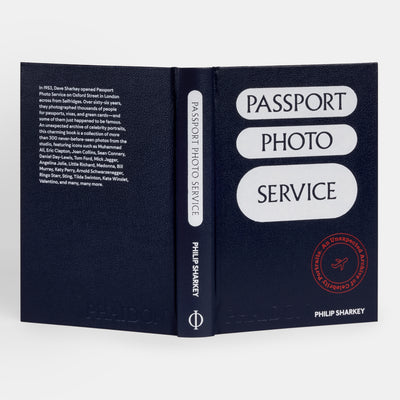
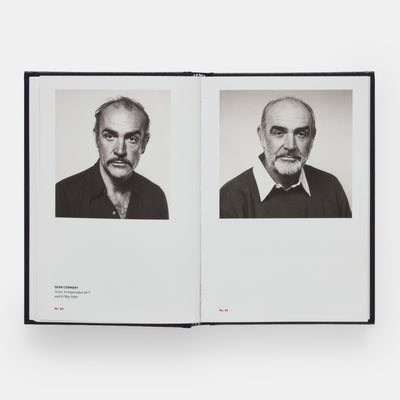
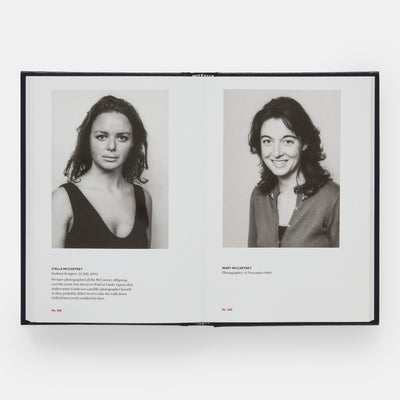
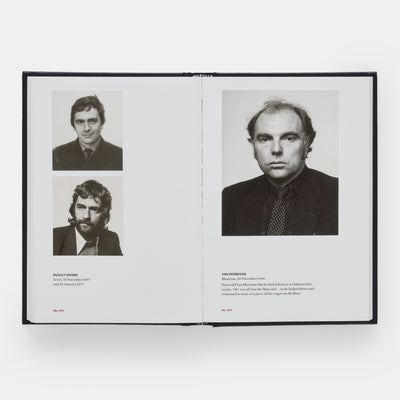
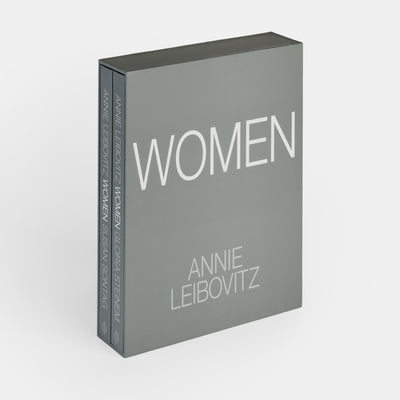
For the first time outside the studio, in a charming new book Passport Photo Service: An Unexpected Archive of Celebrity Portraits, Philip Sharkey curates more than 300 never-before-published photographs taken over the course of six decades, including the many actors, writers, musicians, athletes, and more who entered the unprepossessing doorway, climbed the stairs and were immortalised in a single photo that, until now, will have been seen by precious few people.

Passport Photo Service, map card from the 1960s. Courtesy Philip Sharkey
It makes for an unexpected archive of celebrity portraits – from Muhammad Ali (photographed on his way to fight George Foreman in the famous Rumble in the Jungle), Madonna (‘she’d just put the kids to bed’) to Mick Jagger (‘we had to dismantle a bottle opener from his wall’), the world famous heavy metal singer who nipped up the road to buy a Ferrari while he was waiting for his pic to develop, J Paul Getty who paid cash, exact to the last penny, and the ill-fated superstar, who arrived, surrounded by security.
We caught up with Phil in London, not far from where his studio once was, to ask him about his humble beginnings, his many celebrity encounters over the years, and how the book is in part a glimpse at a moment in London’s history forever gone.

Passport Photo Service ‘Celebrity Board’. Photo: © Philip Sharkey
When did you first become aware of what your dad did? I think my earliest memory is the smell of ammonia. When I smell that smell, it really takes me back. Dad would have just come home, his shirt splashed with developer and fix. I grew up in a little suburb just outside London and all the other dads worked in banks and had very boring jobs. My father seemed very glamorous, because he had been a boxer and now he was a photographer. And he went to a studio, not an office. If he'd had a good week, we'd have lunch on Sunday at Lyon's Corner house in Marble Arch. If it was a bad week, it would be bread and dripping at home.

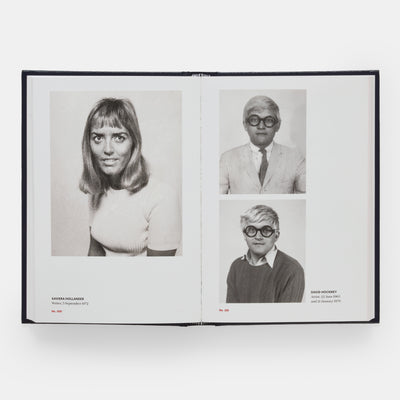
Xaviera Hollander. Writer, 3 September 1972, David Hockney. Artist, 22 June 1965, 21 January 1970
How did you get involved in his business? In the school holidays there weren't all these kids' clubs, so you just got left to run around. So my brother and I would get taken into the studio, and just generally hang around and try and be useful. When I was about 15, I started working and developing the photos. And especially on a Saturday, when my dad worked on his own because on a Saturday all the embassies shut in the afternoon, so it was always quieter. And then when dad found out that I hadn't been turning up at school as regularly as I should, he said, all right, you're joining the studio. And that was it, really. I never thought further than a week of being there. But it just it continued. I wasn't much good for anything else.
Do you remember the first person you got to photograph? It was a really cool looking American. And in those days, of course, you could turn to the side. I took this great photo, and he ordered a 10x8 ordered an enlargement. So that gave me a bit of confidence.
Alec Guinness. Actor, 1975, Ava Gardner. Actor, 16 September 1976
Did your dad tell you how to get the best out of people or give you any technical advice? Well our lighting was constant. There were two umbrellas with the bounce flash onto a silver umbrella. So it was a soft and even lighting on your face. You couldn't do anything too moody and magnificent. We also had a reflector that we could hold under their chin. The setup of the studio didn't really change. But if we took people's portraits or industry photos for actors, we’d be a little bit artistic. Most of the time we didn't have to move the lights. Peter, my uncle, was a whiz kid at genius little inventions. He made a little bit of string you could just pull down and stop at f1 on the camera. So you didn't have to go around to the camera and have a look at where it was. He was very clever at all the little tricks like that. 
Nancy Spungen. 10 August 1978, Poly Styrene. Musician, 28 October 1997
Would the people that came chat to you while they waited for their prints? Oh yeah. We had a little desk, a coffee table and chairs and all sorts of magazines. My mother was a big fan of magazines: Screen International, Silver Screen, Vogue. We had them all, so people would sit and read, and look at the celebrity photos on the wall. It all depended how busy we were. Angelina Jolie came in when it was empty and nobody came in for the 10 minutes she was there. So I had a good chat with her. She was talking about all the other actors, people she'd worked with, and she was just interested in when they had come in and why.
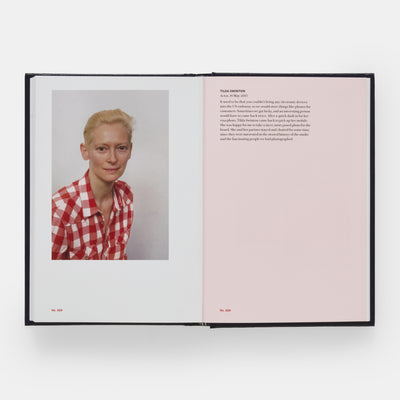
 Tilda Swinton. Actor, 18 May 2013
You were obviously aware lots of these stars had been shot by the world's greatest fashion photographers? Definitely. Britt Eckland, for instance, walked in. I thought, oh my God, she could be, rather particular but she turned out to be absolutely charming and lovely and chatty. She was going out with Slim Jim of The Stray Cats at the time and a friend of mine was the road manager for them. Joan Collins was always, very charming. They lived nearby in Regents Park. Joan’s father was a big theatrical agent. I think when my mother was a dancer, she got her a few jobs.
 Joan Collins. Actor. 13 July 1971, 31 October 1979, 5 July 1988
Who was 'challenging'? I think the only person that was a bit particular was (Carry On films star) Kenneth Williams. My father always told me, if someone's got a bit of a hooter (nose) on them to photograph them from slightly above. He said, ‘no, I want my chin up more’, and so I photographed him that way. I think I had to take him three or four times. He didn't seem to mind paying. I did see the Kenneth Williams Diaries and luckily, the episode wasn't written about in there. I think I had a lucky escape. I was very young at the time, as well. But for most people, it was a bit like going to the dentist, they wanted to be friendly. So, it works both ways. I had to be charming and happy to get them to smile—in the days when you could smile.
So when did that change? That was a couple of years after 9-11, they standardised everything. So you had to be straight on, no glasses. A lot of artistry was lost after that. And it was a bit work, you couldn't have fun with the customer. It was more a case of pose and don’t smile. I remember we had photographed one guy who did a Blues Brothers act and for his photo, he persuaded the British Passport Authority that he should have his dark glasses and trilby on, and they actually gave him his passport.

Leslie Caron. Actor/Dancer, 1960s Vincent Cassel. Actor, 10 October 2015
Did anyone ask you to photograph them for something other than their passport? Well, funnily enough, this isn't in the book, but I ended up taking the wedding photos for Carl Palmer of Emerson Lake and Palmer, a fantastic drummer and a Kung Fu master of all things. One of the jobs we used to do was go to the Welbeck Street Clinic, a maternity clinic nearby. A lot of Middle Eastern princesses would have their babies there and we used to go there and photograph these hours-old babies because they would need a passport for them to go back to Saudi or wherever. One day I got a phone call, to go to the Welbeck Street Clinic where Carl Palmer’s girlfriend had just given birth. A little while after that he phoned me up and said, ‘we're getting married. Would you come and do the photos?’ So I went to Marylebone Registry office. It was rather a secret wedding. There was only me and Carl Palmer, his wife to be and her sister. I was the best man and a witness on his marriage certificate.

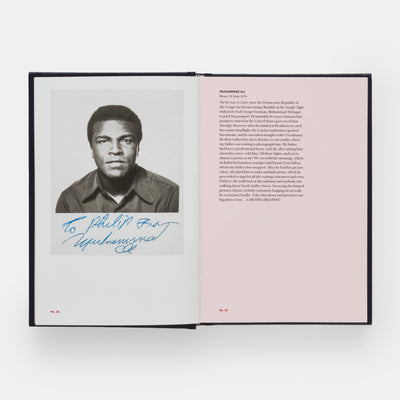
Muhammad Ali. Boxer, 11 June 1974. Signed with a dedication to Philip Sharkey
You've got to have a favorite. I think of course Muhammad Ali. Even if you weren't a boxer you’d love to have met Muhammad Ali. It was 1974, so I was only 17. He was fantastic. And of course, my father was at the studio and took his photo and of course, both my dad and I had been boxers. Ali was fantastic with my father. He wanted to know about his career and how many fights he’d had, because my father not only had a professional career, but in the summer, he'd fight in the boxing booths at fairgrounds. And so, he’d had a lot of fights. And Ali said, ‘you’ve had all those fights and you're almost as pretty as me!’ There was a funny moment with Brian Johnson the singer of AC/DC. While he was waiting for his prints to be developed he asked me where Park Lane was. He wanted to buy a Ferrari in his jeans and tee-shirt with his new Black American Express card - because he could. He came back saying they’d had the last laugh cos he’d done all the paperwork, paid the money and then they’d told him it would be ready in 18 months. He thought he was going to drive it back to the studio! He said, ‘I thought I was being cool. They saw me coming’.
Passport Photo Service ‘Celebrity Board’. Photo: © Philip Sharkey
Did ever anyone ever come in with security? Well, yes, one day I was at the studio one morning, these three guys, dodgy looking in matching suits came in. They said, ‘we've got someone that's going to come in for their photo this afternoon and we want to check all the exits and windows’. I asked who it was and they said, ‘we can't tell you’. At two o'clock in the afternoon, Christina Onassis came in, and nobody knew who she was. It was busy. She had to wait her turn. Everyone had to wait their turn. There were some little kids in there playing and she sat them on her lap and read them a book. She was absolutely charming, didn't make a fuss. When she died, I just thought if she could have just gone got on with her life anonymously, I'm sure she would have been in a better place. Sting. Musician, 3 May 2006
You also did house visits right? Still do. I’ve been to some fantastic houses. I do some Middle Eastern Royal family. I'm going there in a couple of weeks. They've got the most magnificent palace. I believe the Queen went there and said it made her place look like a council house. I went to photograph Mick Jagger at a flat. There wasn't much room to do it, and the only white wall had a can opener attached to it. So they had to take a can opener off the wall to get the white background. I photographed Sting and his wife at their house just off St. James's Park. A fantastic house and the paintings – all wired up! I’d take a lot of passport photos in hotels.
 Brett Anderson. Musician, 20 March 1999, Christiane Amanpour. Journalist, 15 October 2002
I remember doing Lemmy from Motorhead in the Mandarin. I went into his hotel room and I was expecting carnage, televisions thrown out of the window. But it was very sedate. There were six bottles of Jack Daniels all very neatly lined up, and he had about eight pairs of cowboy all in a nice, neat line. It was almost OCD-like. He was very nice, not what I expected at all. When I did Madonna she’d just put the kids to bed. We used to go to Eric Clapton’s place in Chelsea. He's a real lovely guy. And the people that were him as well are really lovely people that really look after you. Some places I go to I'm put in a room and an hour later I'm still waiting for them to come in because they've forgotten about me. I photographed Eric along with the whole touring group, all the band, the caterers, and wardrobe people too. The percussionist, Sonny, would come to the studio when he had nothing to do. He'd come up and have a chat, and he gave me a CD.

Bianca Jagger. Activist, 1 June 1976, Mick Jagger. Musician, 1 June
1976
What about the ones you didn’t immediately recognise? A lot of the time you wouldn't know who they were. There was no Google, then. We had a guy called Gerald Bull who was a Canadian scientist who was developing a supergun for Iraq who came to a grisly end outside his flat in Brussels. If we were just photographing we didn't ask people their names. They just came in, and we asked how many pictures they would like. People like Roxy Walker. She’s very cool and has her own gallery in the British Museum because she’s the expert in ancient Egyptian funerals.

Passport Photo Service ‘Celebrity Board’. Photo: © Philip Sharkey
You and your dad shot countless Hollywood stars, rock royalty, actors, politicians and personal heroes - did you ever have to pinch yourself? I suppose I didn't. I suppose I had to remain quite neutral because of what they'd come in for. I've never asked for autographs because I thought I'd be a bit of a cheat, getting them to pay and then them signing your photo. Although in the early days, my father used to – Errol Flynn, Valentino. I think things were a bit different then. I’m a bit sad about Valentino dying. When they go I feel it. I walked into that studio every day from when I was a little boy surrounded by photos of all these people. I feel that some people have their family photos all around their house, but I worked every day looking at all these people and talking about them. When they die. . . it feels close. And also you help some of them. I remember filling in Johnny Walker’s US visa form with him and he didn’t know where he was staying in America. So I said, just put Barry Gibb’s house Florida. It’s bound to be the biggest one. And so he did. When he came back he said the immigration guy laughed out loud. Now he’d probably be deported, or worse.

Metal spoon bent by Uri Geller, magician, on a visit to the Passport Photo Service Studio and signed, with a dedication David Sharkey, Philip’s father. Photo: © Philip Sharkey
The book also paints a picture of a far removed time and a long gone London What I'm not able to project in the book, really, is that there were all these little walk-up businesses, like ours. In our block, we had the Lucy Clayton modelling school, we had a beauty parlour, a furrier. There was also Madame Sandra, who was a clairvoyant. When Uri Geller came up the stairs into the studio and ended up bending our only spoon, he said, ‘there's something in the atmosphere in here, I can feel a positive vibration’. And I said, ‘it's funny you should say that because it’s probably Madame Sandra!’ Although, I don't know how much of a clairvoyant she was. But there were all these little businesses, and of course, now, there are none, it's completely changed, Oxford Street.

‘The Meeting’, sandwich board men, 1950s. Courtesy Philip Sharkey
When did you feel things coming to an end? I don't know if somebody up there likes me because I got out in June 2019. The previous year the US Embassy had moved to South London, and the Canadian and Japanese embassies moved too. I was really lucky that I got out. Six months later, there was COVID and I would have been absolutely done for. We had our time, is all I can say. But it really was the best of times. I sometimes just think of that social history of London and my family’s part in it.
My dad’s dad died when he was 10. He grew up in extreme poverty in the East End around Arnold Circus, Shoreditch. Back then it was very rough. Old Nichol Street and Club Row were the worst streets in London. He had to earn money for his family. When he did his national service in Germany he got two Leicas. You weren't allowed to buy anything, but he stuffed them down his trousers. He sold one of them and kept the other. He loved using that Leica, it was so important to him. But the house got burgled in the early 80s and it was stolen. Really sad. But it’s an incredible story of aspiration, and what you can do with very little and the social history of London that supported that. It’s an incredible story.

Take a closer look at Passport Photo Service: An Unexpected Archive of Celebrity Portraits.