

![Handwork: Handcrafted Objects that Made America [Craft in America]](http://www.phaidon.com/cdn/shop/files/M-handwork-en-3727-3d-standing-front-3000_cf7b8381-b3a2-41fd-86da-6fe623fb0a35.jpg?v=1784715138&width=400)
![Handwork: Handcrafted Objects that Made America [Craft in America]](http://www.phaidon.com/cdn/shop/files/M-handwork-en-3727-3d-overview-3000_038c21c2-0af7-41e2-8a96-9b0beaf9c2d6.jpg?v=1784715138&width=400)
![Handwork: Handcrafted Objects that Made America [Craft in America]](http://www.phaidon.com/cdn/shop/files/M-handwork-en-3727-3d-spread-1-3000_675d5a59-80e7-4b98-bb57-f9d68d61b20d.jpg?v=1784715138&width=400)
![Handwork: Handcrafted Objects that Made America [Craft in America]](http://www.phaidon.com/cdn/shop/files/M-handwork-en-3727-3d-spread-2-3000_a21c9230-7856-470d-8101-09ae2fef75e3.jpg?v=1784715138&width=400)
![Handwork: Handcrafted Objects that Made America [Craft in America]](http://www.phaidon.com/cdn/shop/files/M-handwork-en-3727-3d-spread-3-3000_6dbd48c4-eaab-4b0d-86a2-19b97d8be954.jpg?v=1784715138&width=400)
![Handwork: Handcrafted Objects that Made America [Craft in America]](http://www.phaidon.com/cdn/shop/files/M-handwork-en-3727-3d-spread-4-3000_851a14d9-3b23-4197-85c5-3a4503b24548.jpg?v=1784715138&width=400)
![Handwork: Handcrafted Objects that Made America [Craft in America]](http://www.phaidon.com/cdn/shop/files/M-handwork-en-3727-3d-spread-5-3000_232b034c-682e-4a6f-b47b-81d5a99dd497.jpg?v=1784715138&width=400)
![Handwork: Handcrafted Objects that Made America [Craft in America]](http://www.phaidon.com/cdn/shop/files/M-handwork-en-3727-3d-spread-6-3000_4c787d9d-1fb6-4812-9652-d15d93423bc0.jpg?v=1784715138&width=400)
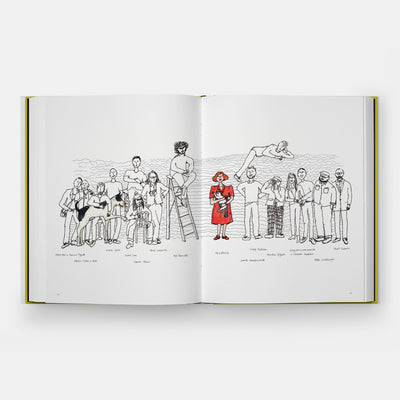
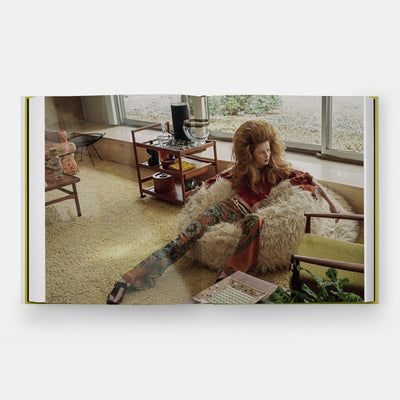
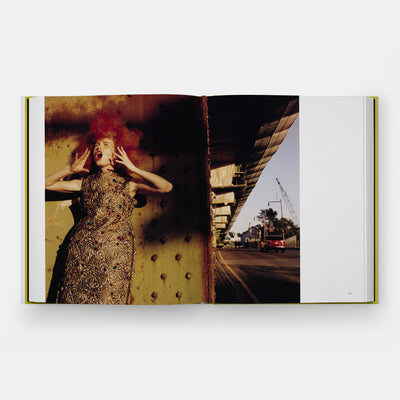
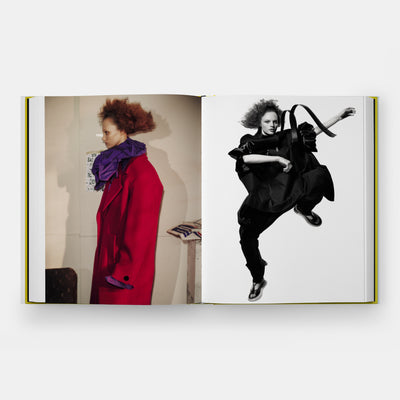




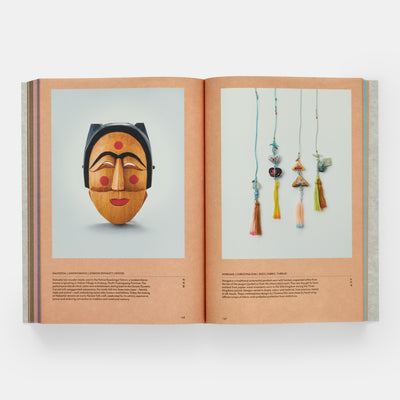








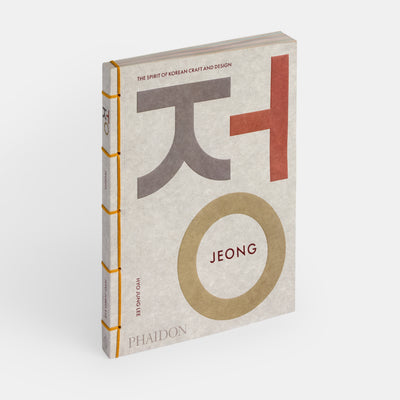
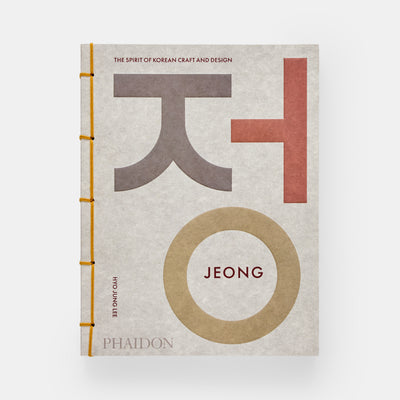
Following in the footsteps of Wa: The Essence of Japanese Design, our new book Jeong: The Spirit of Korean Craft and Design highlights 175 beautiful, inspiring and important pieces of Korean design, from traditional folk crafts to striking contemporary creations, including ceramics, embroidery, furniture, clothing and more. The oldest piece in the book dates back more than 3,000 years and the most recent was crafted only last year.
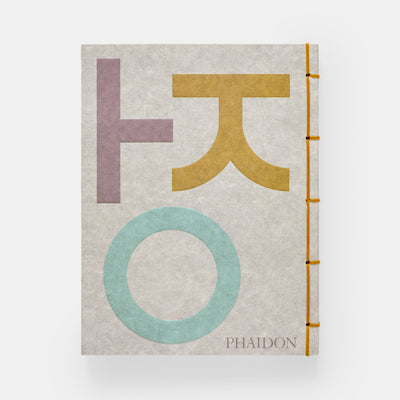
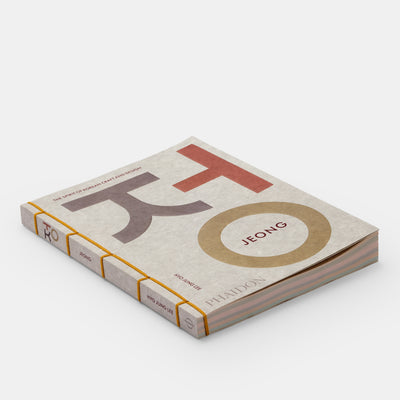
Flexibound, printed on tactile craft paper and with a bespoke Korean-inspired binding, stitched with yellow cord, the book itself is a stunning object that invites discovery and reflection.
Author Hyo Jung Lee is Korean-born and London-based. She is a graphic designer currently at Pentagram and in 2020 she founded the Korean Craft and Design digital platform, through which she facilitates dialogues between Korean and international designers.
In the book readers will also find essays by contemporary Korean design prodigy Teo Yang; former deputy director of the V&A Beth McKillop; and J Kathryn Hong, Chief Creative Officer of Onjium, a non-profit cultural foundation in Seoul.
Hyo Jung Lee was in conversation at the Korean Cultural Centre in London with the book’s commissioning editor Joe Pickard recently. Here are a few of the things she said about what Jeong means, highlights from the trip she made through Korea with photographer Hyunwoo Min, how the book came to be and why, in the wake of K-Pop, K-Cinema and K-Beauty, K-Design is now about to have its moment.

Buncheong bottle with peonies, Joseon Dynasty. Image credit: Leeum Museum of Art clay
Why this particular book I wanted to do a book about Korean design, but I didn't want it to be just about craft. So the challenge was how are we going to put all these things that might not look alike into a book? For me, it's a celebration of Korean culture as a whole. And also because when I was doing lots of research and reading about Korean craft I realised a lot of the pieces were born from function and utilitarian reasons. The ideals of Confucianism– restraint, respecting materials, not being overly decorative–had a big impact. That played naturally into the idea that craft objects should be born out of function. So that became an important thing for me to consider.

Hahoetal, Joseon Dynasty. Image credit: National Folk Museum of Korea wood
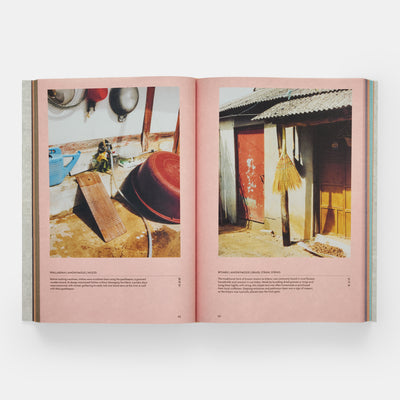
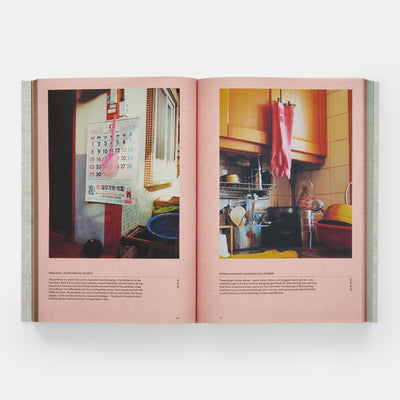
At the same time, I also knew that Korean design and objects evolved later through the industrialisation era. (1960s-1990s) A lot of these new pieces emerged because we had to grow so fast and a lot of these new pieces–like the rubber gloves that help you protect your hands when you wash dishes in hot water, to the rubber shoes that were really popular back in the 80s–were designed so that they could be manufactured really quickly and affordably. And they became, or have become, iconic pieces today. I feel those pieces are very much interlinked with how Korean traditional craft was created as well. So I felt like they should all be treated on the same level and seen as a whole, rather than creating a book just about the past.

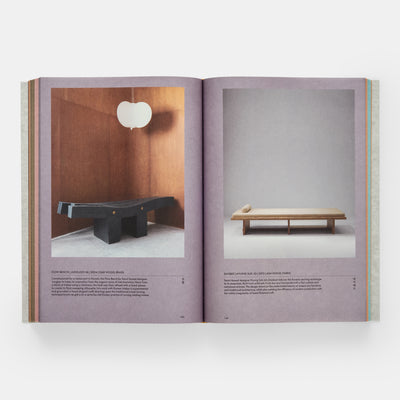
Daybed, Hyung Suk Jo, 2012. Image credit: Arumjigi Foundation, © Guru Visual ash wood, fabric
The real meaning of Jeong
Jeong is a very Korean word, something that all Koreans know. It's a feeling of a certain attachment, a really deep affection towards anything from objects, to places, to people to relationships. Overall it feels positive, but it can also mean something negative. You may have a positive Jeong towards your birthplace because you were born there, you grew up there, so you have memories. Or there could be Jeong between a long-term couple relationship. Maybe the passion might no longer there, but Jeong is definitely there.
When we talked about what should be the title for the book, we were looking for a Korean specific words. And this word has a very warm feeling that can only be cultivated through time. Love and passion is something that can happen very quickly. Whereas Jeong can only happen through time and care.
So all these objects for us are objects that have a Jeong in them. That can mean the relationship between the artisan and the object, because the artisans probably spent a lot of time designing and crafting, and putting care into this specific object in order to create it.

Gomujanggap. Image credit: © Hyunwoo Min rubber
But it can be as simple as say Korean rubber gloves. They have Jeong to me because I was used to seeing them in my mother’s kitchen when I was growing up. So now, every time I see them hanging in someone's kitchen, I have a warm Jeong towards them. So that's why we ended up with the title.
How the book came together
I went to Korea and I talked to the photographer Hyunwoo Min about my ideas and about the book. Fortunately, he was very interested. He was also researching what Korean craft and design meant. So he was very invested as well.
I picked him because he had previously shot a series of photographs of grandmothers at home for Korean Vogue. He travelled to different places and visited different houses, interviewed these old ladies, and took photos of them and their houses.
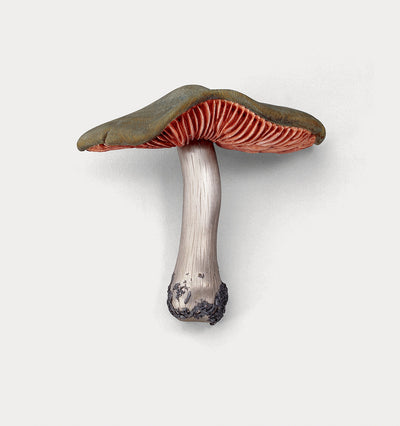
 Wonsam, 1935. Image credit: Seoul Museum of Craft Art silk
So I was in Korea for about two-and-a-half-weeks. And from being in the car in for hours we had kind of date conversations about Korean, craft and culture! Over seven days, we went to six different places. Thankfully he had a few friends living in all these places. But we were winging it to a certain extent.
I had a few things I really wanted to include in the book. I was really keen on wanting to photograph this mother of pearl inlay lacquered wardrobe because it's one of the things that I have Jeong towards, because it's something that I grew up with, it was always in my granny's flat. It's basically something that's in every granny's flat if you were a kid in the 80s and 90s.

Jagaejang, Joseon Dynasty. Image credit: © Hyunwoo Min lacquer, mother-of-pearl
But it's one of the things that's slowly disappearing because it's very heavy and pretty big and it may not be your taste. So I was really keen on shooting it. So we drove around and we knocked on people's doors and then we asked if we could come in and see their house. And luckily in the rural areas, they are mostly elderly people, and they're so welcoming. They were so glad to see young people walking around with a camera.
When we found a grandpa’s place that had that wardrobe I was so happy. The grandfather just couldn't understand why! He kept on saying, ‘why do you want to keep shooting this old thing?’ We did have to remove some random things, but mostly we left everything the way it was. We just removed a few things that would take away attention from the wardrobe maybe some toilet paper rolls stuck on top, or a duvet rolled up underneath.
 Chaesang, Sin Jeong Seo. Image credit: Living Sense bamboo, lacquer
When I was going to the shoot I bought all these objects, but I didn't have to use that many, because we found so many still in use. We came across a very old Korean traditional pestle and mortar, that's really big. Another object I really wanted to shoot was the tea gear set which is something you strap on to carry things. I didn't think I was going to find it but there was an old man, actually using it.
 Galdae bitjaru, Dong Kyun Lee, 2022. Image credit: Studio Kō Los Angeles common reed
So I guess it proved my point, that all these crafts are not there to be just put on a pedestal, they're actually beautiful because they're functional and still being used and have been used for hundreds of years in that same form.
 Jeolgu, stone image credit: © Hyunwoo Min
The most unusual thing in the book
One of the things that I wanted to shoot was a bum chair. Again, it’s a product of the industrialisation era. In a traditional Korean house everyone's lifestyle is basically floor-based. We don't have chairs, we sit on the floor. And you squat to do a lot of things. Korean people love like being efficient and utilitarian with their objects. So this bum chair helps because it's basically like a cushion you can attach to your thighs, so that when you squat, it gives you an extra cushion.

Low desk (Chim series), Chanhyeok Kim, 2024. Image credit: Arumjigi Foundation, © Guru Visual coffee dough, paper
It's not aesthetically pleasing in any way but I was keen to include it. I even bought one at a rural village shop. Then when we were driving around, this woman had an amazing Korean traditional house that she hadn't really renovated. It was a beautiful place, so we asked if we could come in and photograph it.

Eongdeongi uija, Image credit: © Hyunwoo Min plastic, foam, textiles
So we were just moving her furniture around to shoot something and she starts gardening, and she had the bum chair on. And the photographer and I were, that’s it! He was photographing her and she was saying, ‘why are you shooting this thing? It's nothing fancy!’ We got that a lot.
Where the new meets the old
As long as I can remember I felt like young Korean designers were always looking outwards rather than inwards. I feel like they were always chasing after what was the standard in the West, rather than what is Korean.

Bangjja yugi bowl. Image credit: photo by Gangjinju bronzeware
But there's definitely a shift where young designers are collaborating with old artisans and they're designing new objects and new design pieces by using traditional craft techniques. But they put a bit of their own twist on things.
For instance, one of the artists in the book does a natural traditional Korean lacquering technique, which takes ages. And the thing with lacquer is that because it's natural, it can give off a bit of smell. And if the temperature's too hot, it can start eroding because of the heat. But he's found a way to glaze the natural lacquering technique which makes it as durable as ceramic so you can actually put it in a dishwasher.

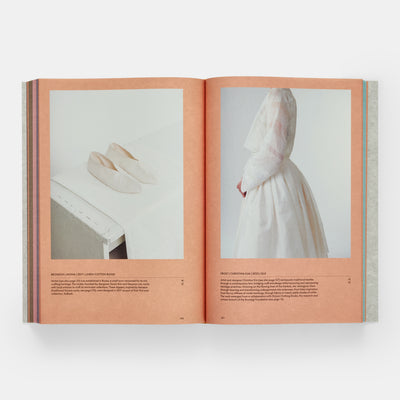
Frost, Christina Kim, 2017. Image credit: Arumjigi Foundation, © Guru Visual silk
I think because of K-Pop and K-Cinema and K-Beauty, young designers can see that the work is being loved outside Korea. I think that has given them more confidence towards Korean traditional heritage and allowed them to embrace it and make it their own. There's definitely a shift of young artisans no longer looking solely outwards.
I see lots of new studios working with traditional craft, but they're making it their own. When you go to Korea, there are lots of knitting clubs and you'll see a lot of these cool ways to knit but then maybe with Hanji which is Korean paper. So I see that slowly arising for sure.
A stunning object in itself
I wanted it to be like a beautiful object, obviously, but also I wanted the book to be using Korean tradition techniques. The five threaded holes, near the spine, are something that was used in Korean books. And the double fold cover and papers reference the fact that in Korea books were designed to maintain the quality as long as possible. There's a long history about how books are very much a precious object in Korea. So all these techniques were actually to maintain the form of the book. And so I was happy for that to be reflected in the book.
Take a closer look at Jeong: The Spirit of Korean Craft and Design and also check out Wa: The Essence of Japanese Design.
 Jeong author Hyo Jung Lee photo by Shin Miura