








![Handwork: Handcrafted Objects that Made America [Craft in America]](http://www.phaidon.com/cdn/shop/files/M-handwork-en-3727-3d-standing-front-3000_cf7b8381-b3a2-41fd-86da-6fe623fb0a35.jpg?v=1784715138&width=400)
![Handwork: Handcrafted Objects that Made America [Craft in America]](http://www.phaidon.com/cdn/shop/files/M-handwork-en-3727-3d-overview-3000_038c21c2-0af7-41e2-8a96-9b0beaf9c2d6.jpg?v=1784715138&width=400)
![Handwork: Handcrafted Objects that Made America [Craft in America]](http://www.phaidon.com/cdn/shop/files/M-handwork-en-3727-3d-spread-1-3000_675d5a59-80e7-4b98-bb57-f9d68d61b20d.jpg?v=1784715138&width=400)
![Handwork: Handcrafted Objects that Made America [Craft in America]](http://www.phaidon.com/cdn/shop/files/M-handwork-en-3727-3d-spread-2-3000_a21c9230-7856-470d-8101-09ae2fef75e3.jpg?v=1784715138&width=400)
![Handwork: Handcrafted Objects that Made America [Craft in America]](http://www.phaidon.com/cdn/shop/files/M-handwork-en-3727-3d-spread-3-3000_6dbd48c4-eaab-4b0d-86a2-19b97d8be954.jpg?v=1784715138&width=400)
![Handwork: Handcrafted Objects that Made America [Craft in America]](http://www.phaidon.com/cdn/shop/files/M-handwork-en-3727-3d-spread-4-3000_851a14d9-3b23-4197-85c5-3a4503b24548.jpg?v=1784715138&width=400)
![Handwork: Handcrafted Objects that Made America [Craft in America]](http://www.phaidon.com/cdn/shop/files/M-handwork-en-3727-3d-spread-5-3000_232b034c-682e-4a6f-b47b-81d5a99dd497.jpg?v=1784715138&width=400)
![Handwork: Handcrafted Objects that Made America [Craft in America]](http://www.phaidon.com/cdn/shop/files/M-handwork-en-3727-3d-spread-6-3000_4c787d9d-1fb6-4812-9652-d15d93423bc0.jpg?v=1784715138&width=400)


























In the stratified world of architecture Robert A.M. Stern, who has died aged 86, was a paradoxical figure. He was a traditionalist who helped redefine modernity, a historian who turned nostalgia into a bold architectural language, and a gentleman who was eccentric enough to believe that buildings, like people, have personalities worth refining to perfection. In terms of a remarkable life well lived, Stern’s legacy reads like one of his many richly detailed monographs: sweeping, precise, and unapologetically grand.
“I became an architect because I loved the buildings of my city, New York, and imagined one day that I would make ones like them," he wrote in 1981. "The New York of my youth is to this day the principal subject of all my work in architecture.”
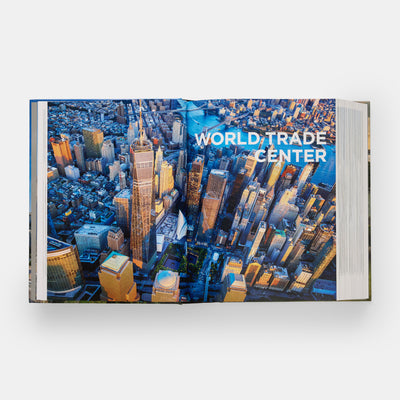
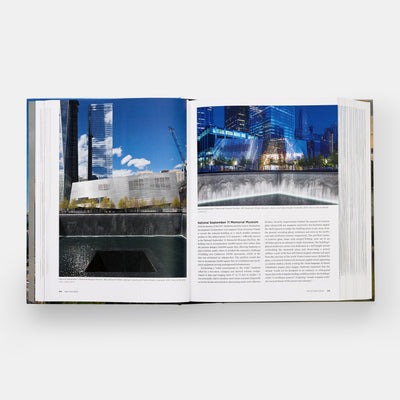
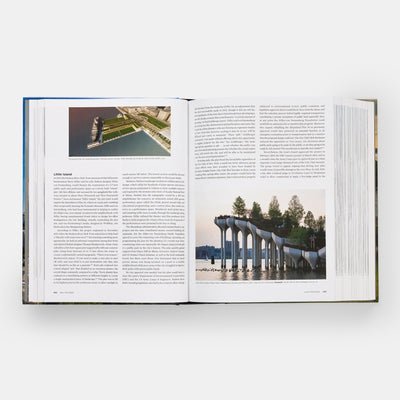
 From Robert A.M. Stern's New York 2020
Stern’s ascent began with books, meticulously researched ones that made him a star of architectural scholarship. In New York 1900, the first in what would become a multi-volume love letter to the city’s built environment, he chronicled the Gilded Age with the relish of a novelist and the rigor of a preservationist.
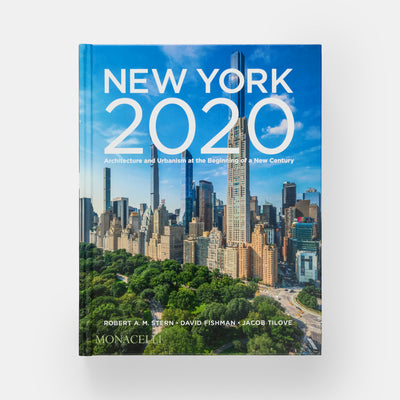
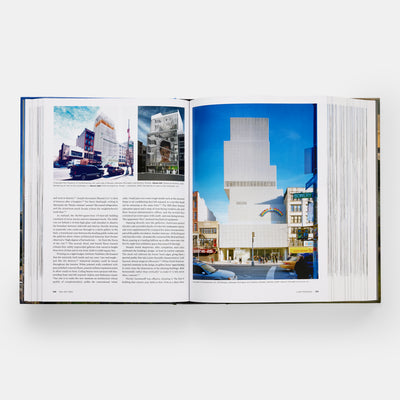
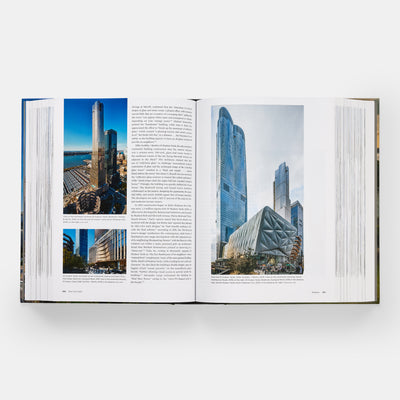
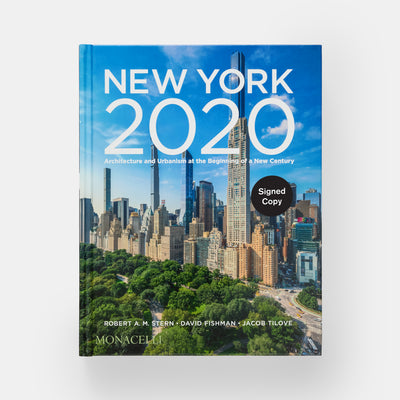
He understood early what others would catch onto later: cities are stories before they are skylines. The follow-ups: New York 1930, New York 1960, New York 2000, and the recently published New York 2020, cemented his role as the big apple’s unofficial biographer, capable of telling its tale without shrinking from its many contradictions.
At a moment when glass-box modernism dominated the conversation, Stern argued that ornament, tradition, and craftsmanship were not relics, but resources. But he was not merely pining for the past; he was actively mining it.
“Many Modernist works of our time tend to be self-important objects, and that’s a real quarrel that I have,” he told the New York Times in 2007. “Buildings can be icons or objects, but they still have to engage with the larger whole."

From Robert A.M. Stern's New York 2020
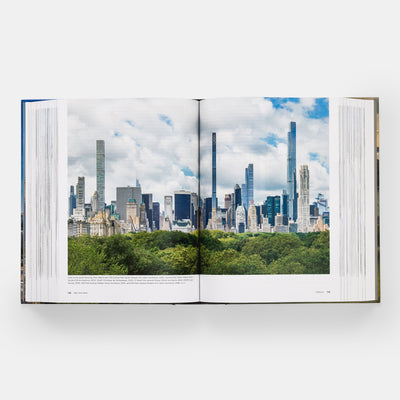
He was dubbed 'The King of Central Park West' by Vanity Fair after designing 15 Central Park West - in 2008 the highest-priced new apartment building in New York history. It was an homage to an earlier era of classic architecture from the 1920s and 30s. Steve Jobs, Bono, and Sting snapped up apartments in the building, sharing elevator space with hedge-fund managers and bank CEOs. Those buyers adored it, critics reluctantly admired it.
It was this mix of romance and discipline that inspired the architectural empire Stern built with his practice, Robert A.M. Stern Architects (RAMSA). The academic volumes made him famous, the buildings made him iconic.
But while many architects outsource the telling of their own story, Stern insisted on writing his. His books reveal a thinker who, in part, believed in architecture as a literary act. His writing style is like his buildings: polished but human, ambitious but grounded.
Elizabeth White, Stern’s longtime editor at Monacelli, told Phaidon.com: “Beginning in 1985, under the leadership of Gianfranco Monacelli, we had the privilege of publishing his work—books that reflected his passions, intellectual rigor, and mastery of design.”
“Foremost among them are the singular New York volumes, including the recent New York 2020; his memoir Between Memory and Invention: My Journey in Architecture; and Paradise Planned, a monumental study of planned communities worldwide; as well as multiple monographs on the work of his firm.”
“Bob Stern believed deeply in the power of books, and his ideals will continue to influence Monacelli and our publishing program in the years to come. We are deeply saddened by the loss of a visionary architect, scholar, and collaborator whose influence on the built environment is immeasurable."
 From Robert A.M. Stern's New York 2020
Immeasurable indeed. Stern's body of work is now woven into the DNA of cities from New Haven to Xi’an. The Gothic complexes of Yale University, his alma mater and later his professional home, became an especially defining canvas and are featured in Designs for Learning.
His tenure as Dean of the Yale School of Architecture, perhaps the most influential part of his career, further exemplified his blend of tradition and reinvention. He reasserted the importance of history and drawing, reminding a new generation that the future is only as strong as the foundations that precede or underpin it.
Stern stands as architecture’s rare multi-hyphenate: architect-author-historian-educator. And the harmonic weave of those roles is perhaps his greatest achievement. His books preserve the past; his buildings reinterpret it; his teaching shaped a future that will likely reinterpret him in turn. In an age dictated by the new, he chose history, and by so doing became something rare - a classic in his own time. We are proud to have published his work.