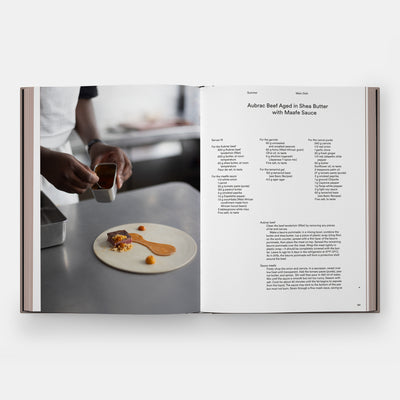
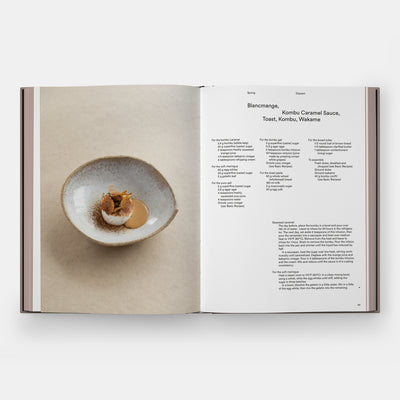
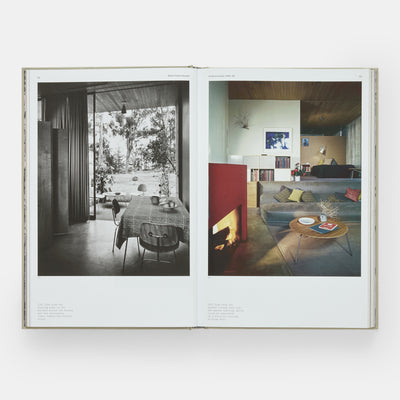
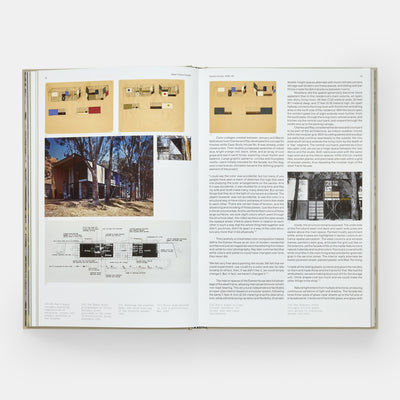
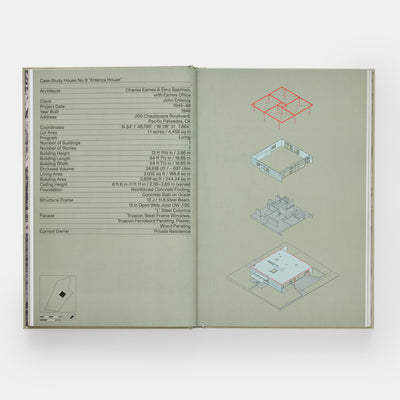
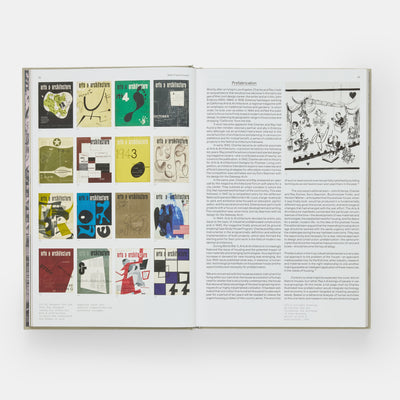
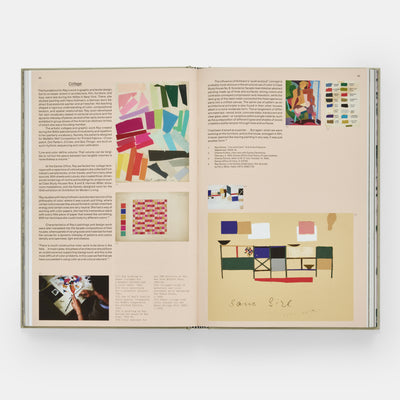
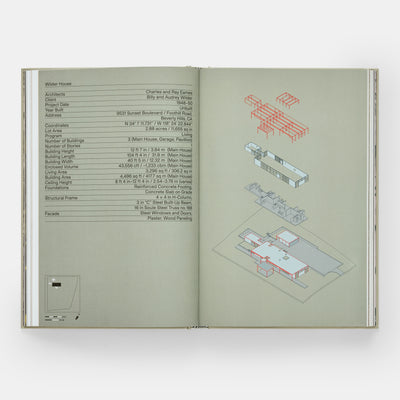
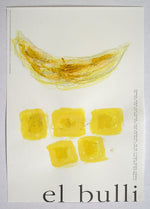
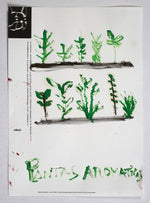
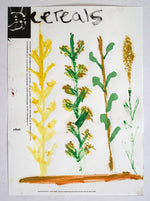
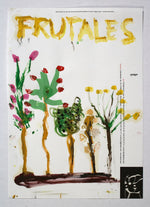
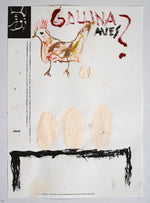
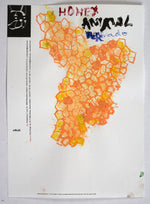
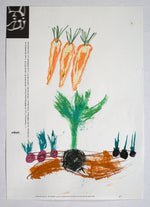
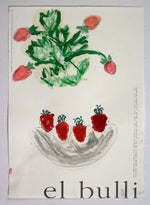
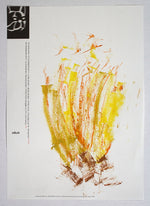
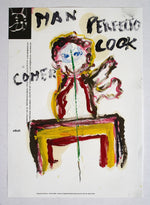
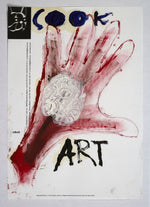
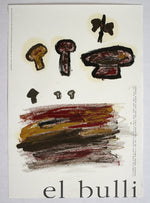
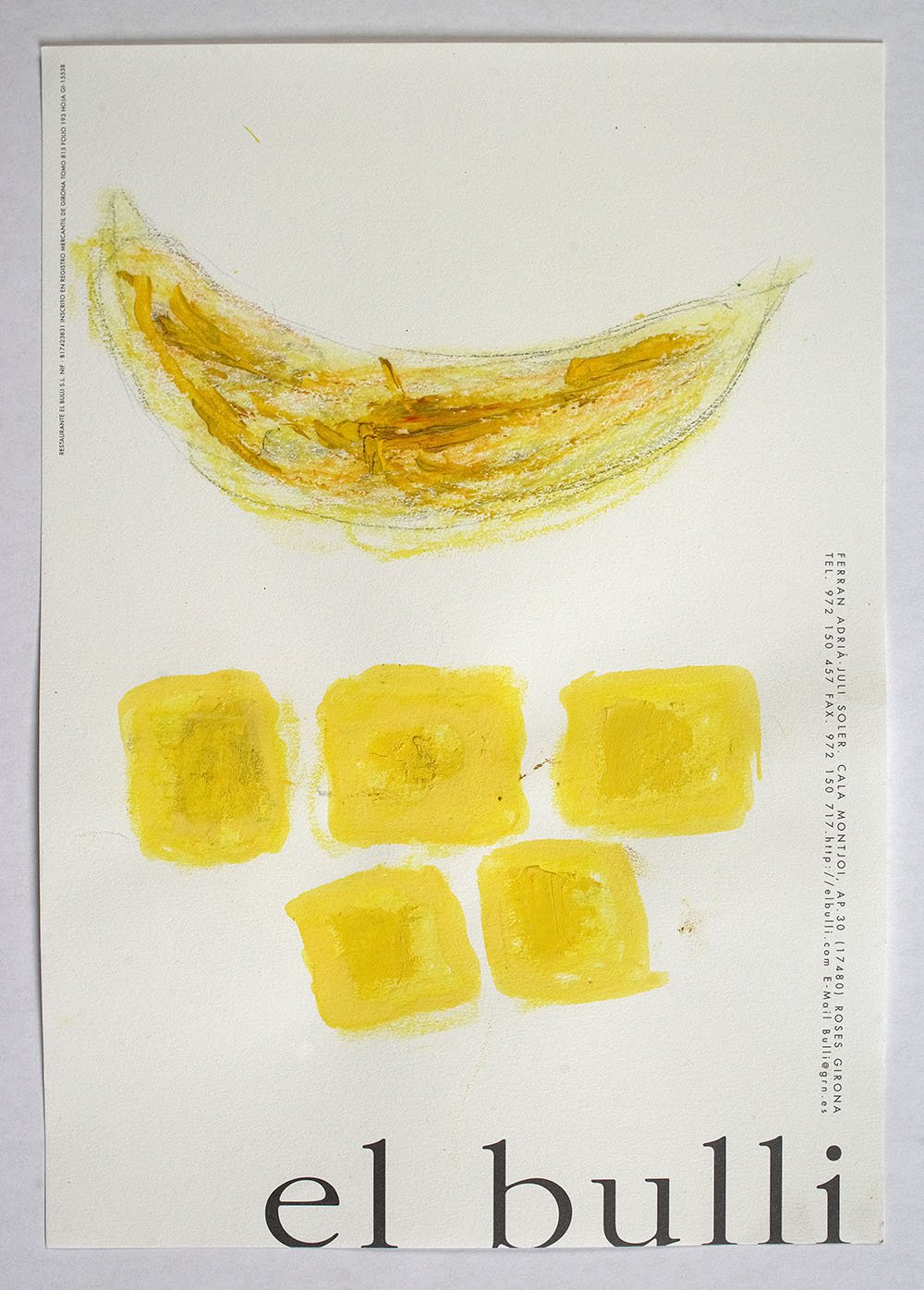
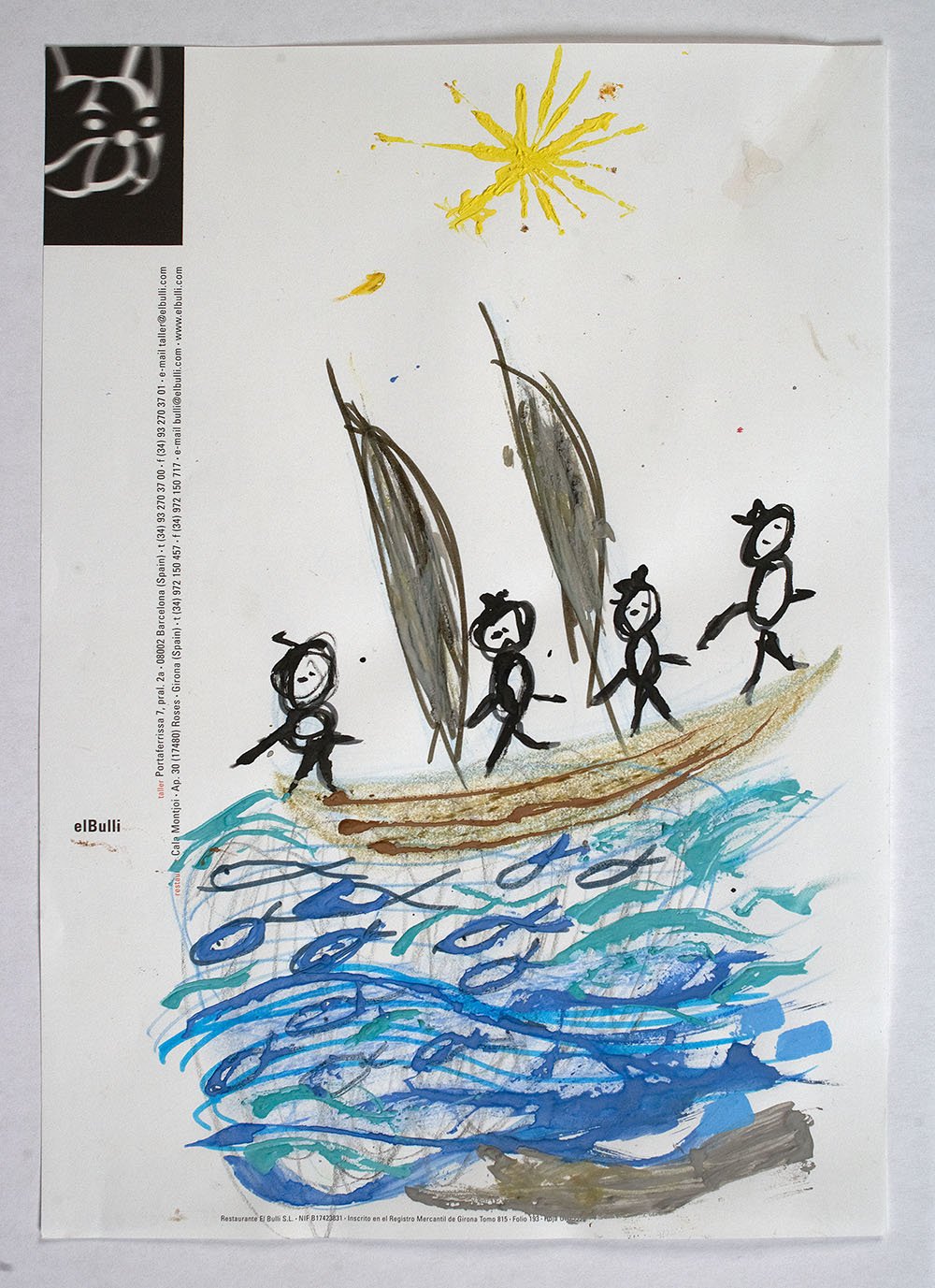
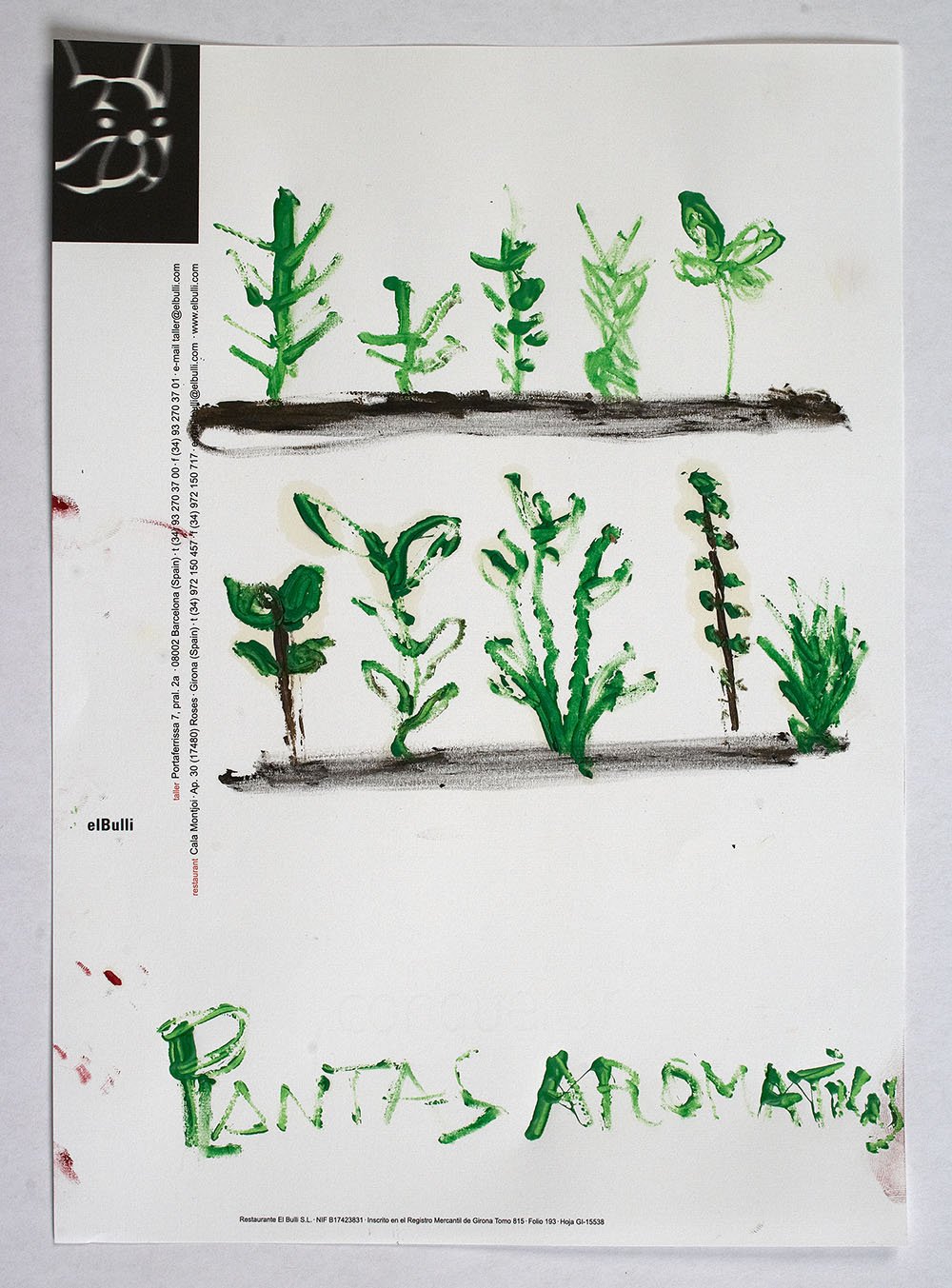
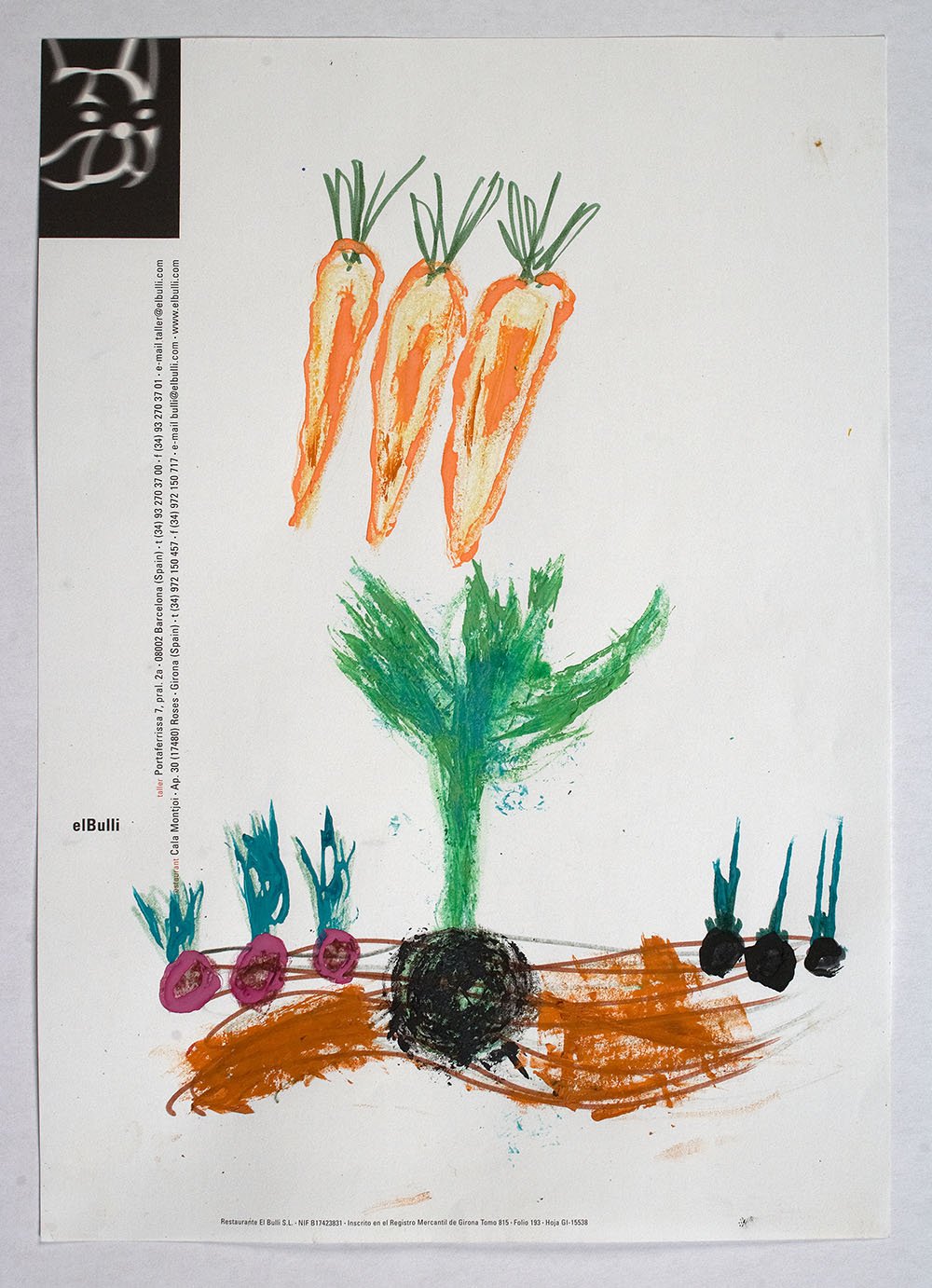
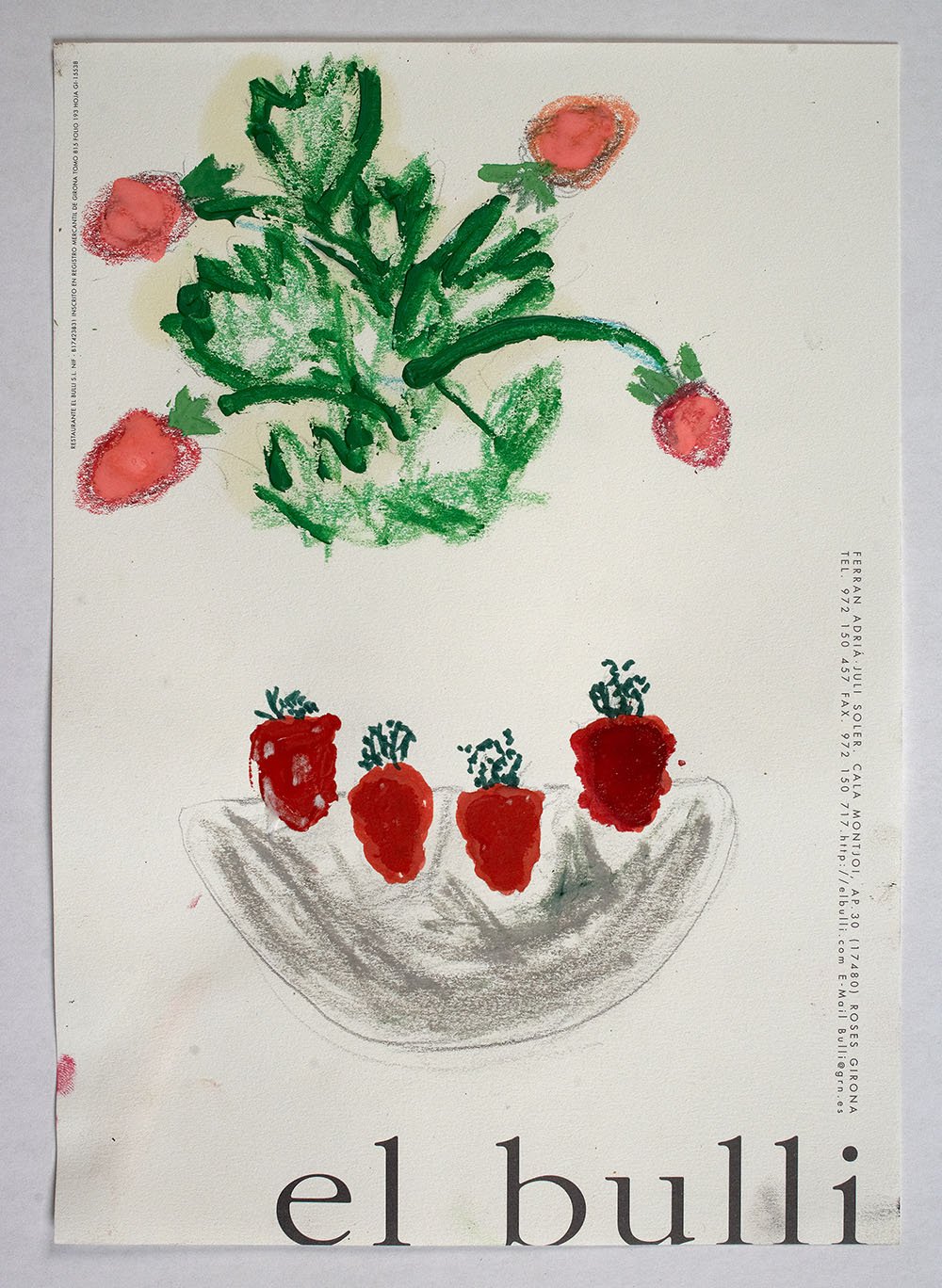
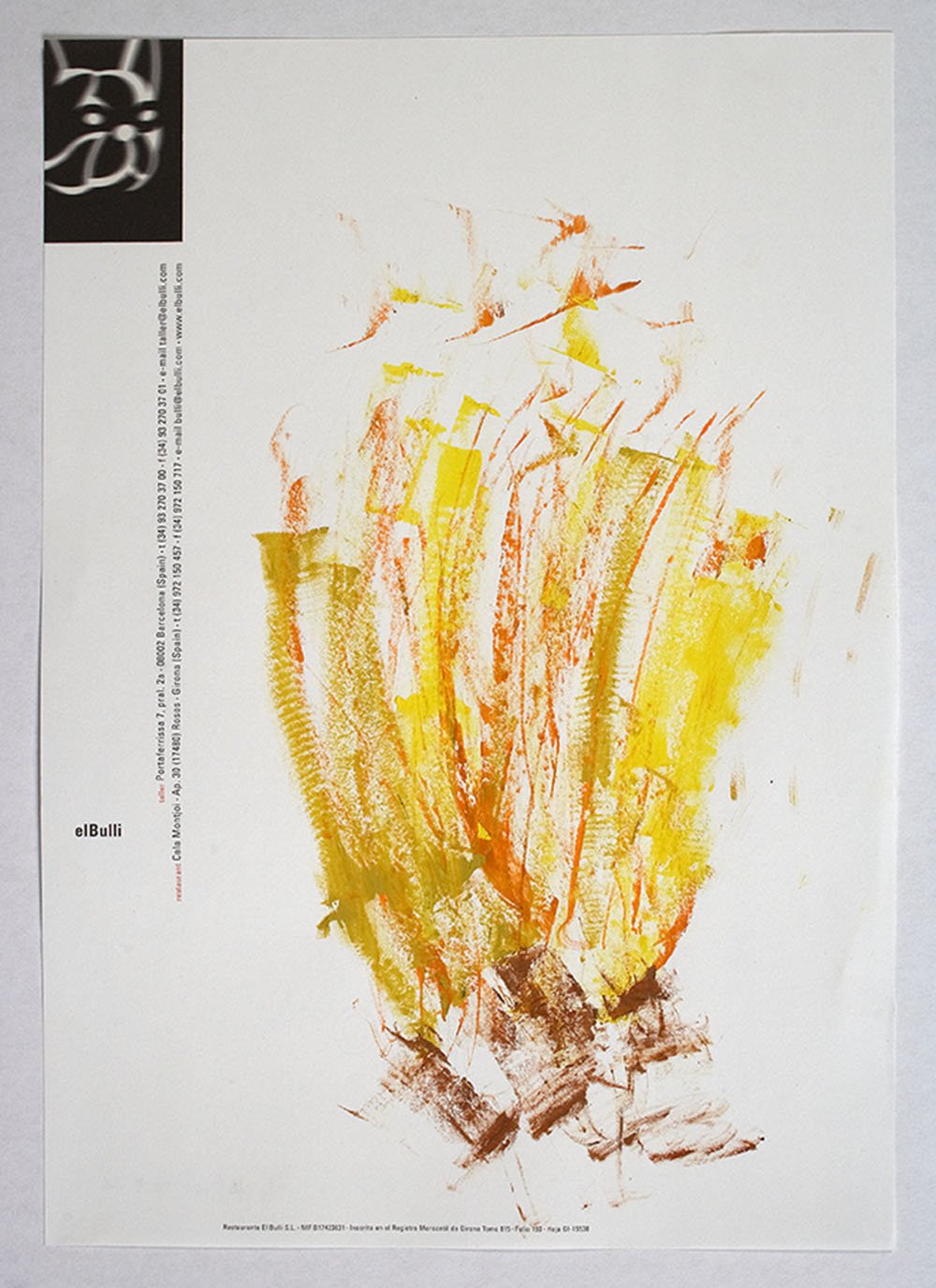
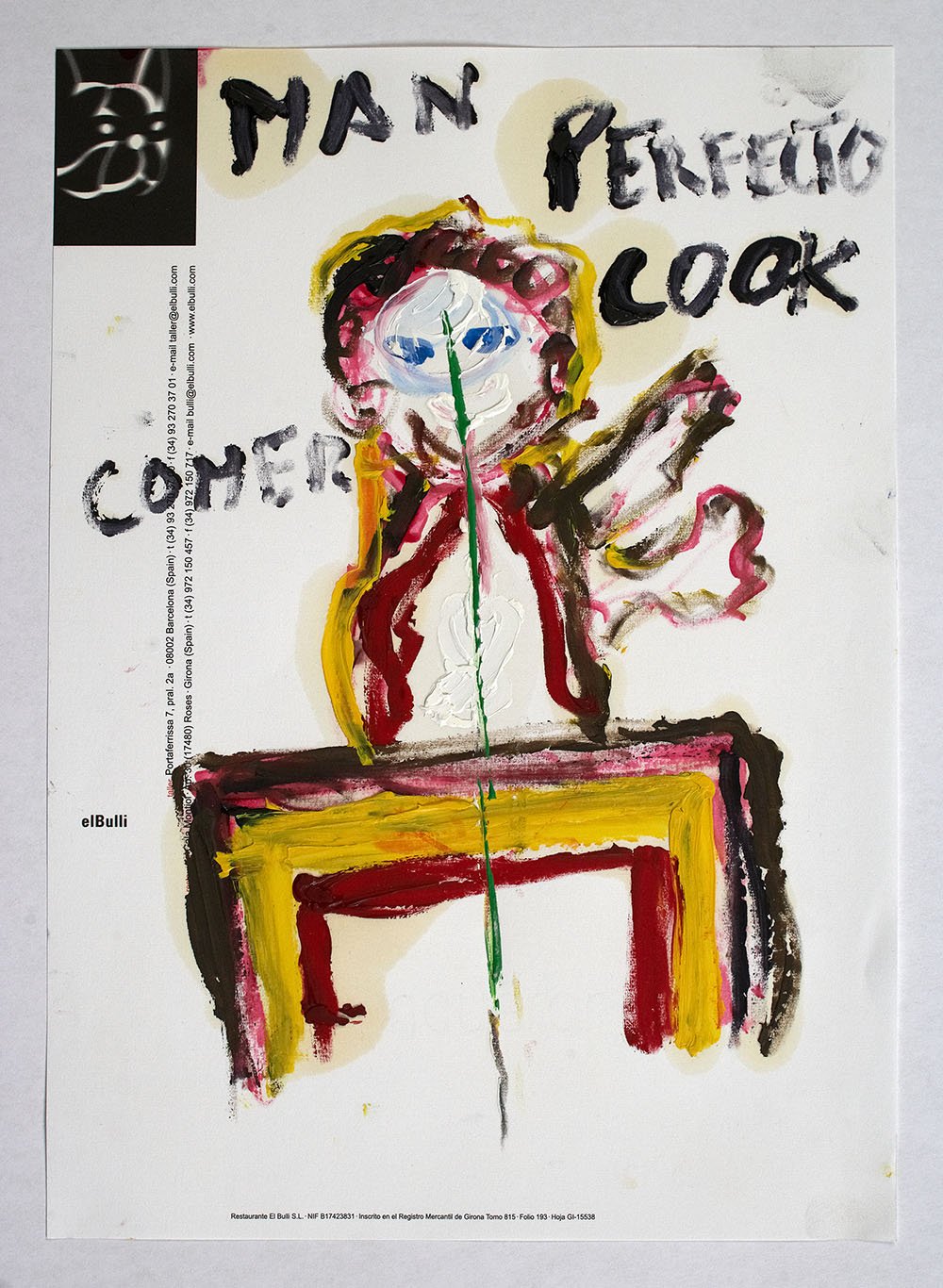
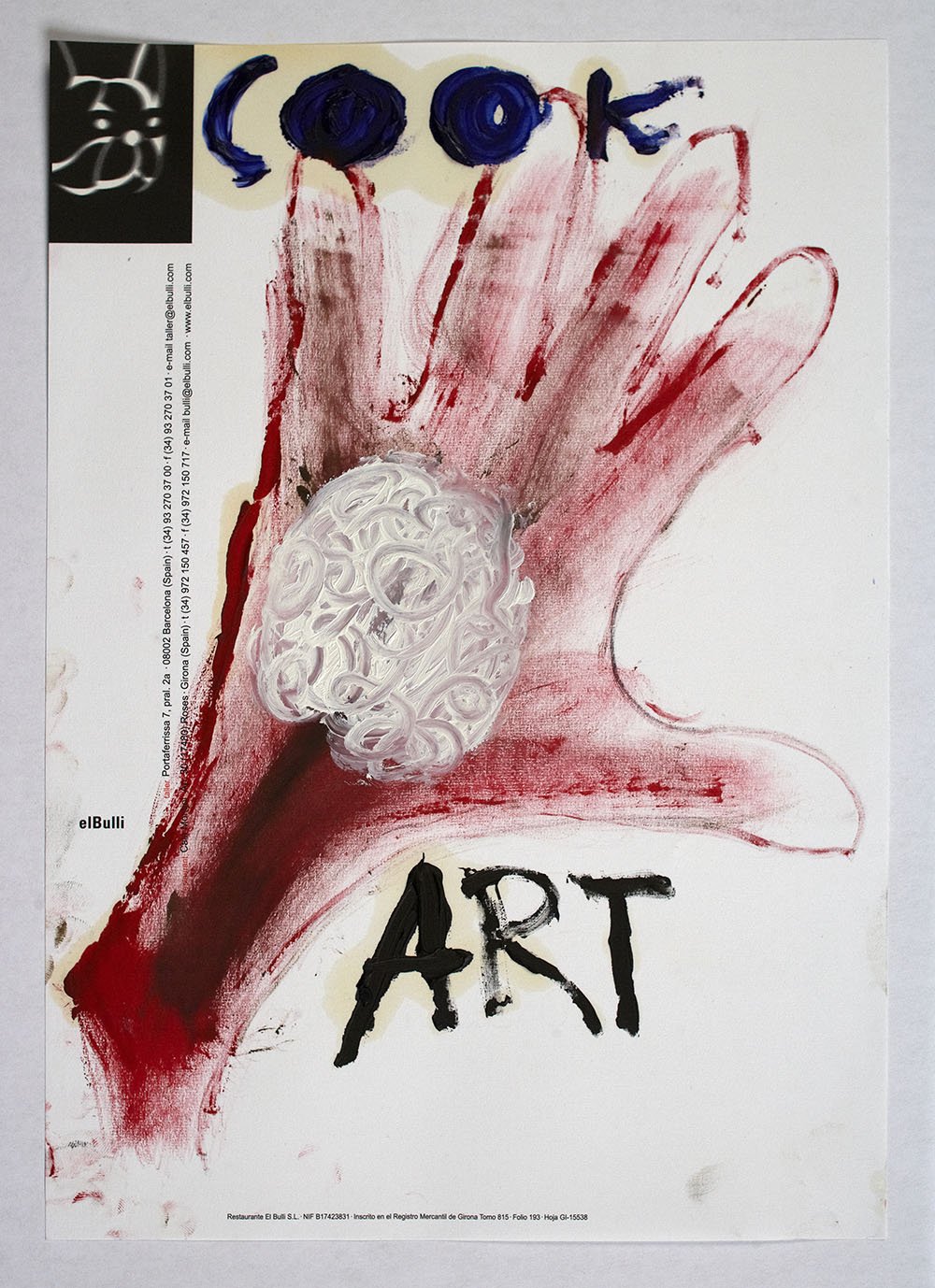
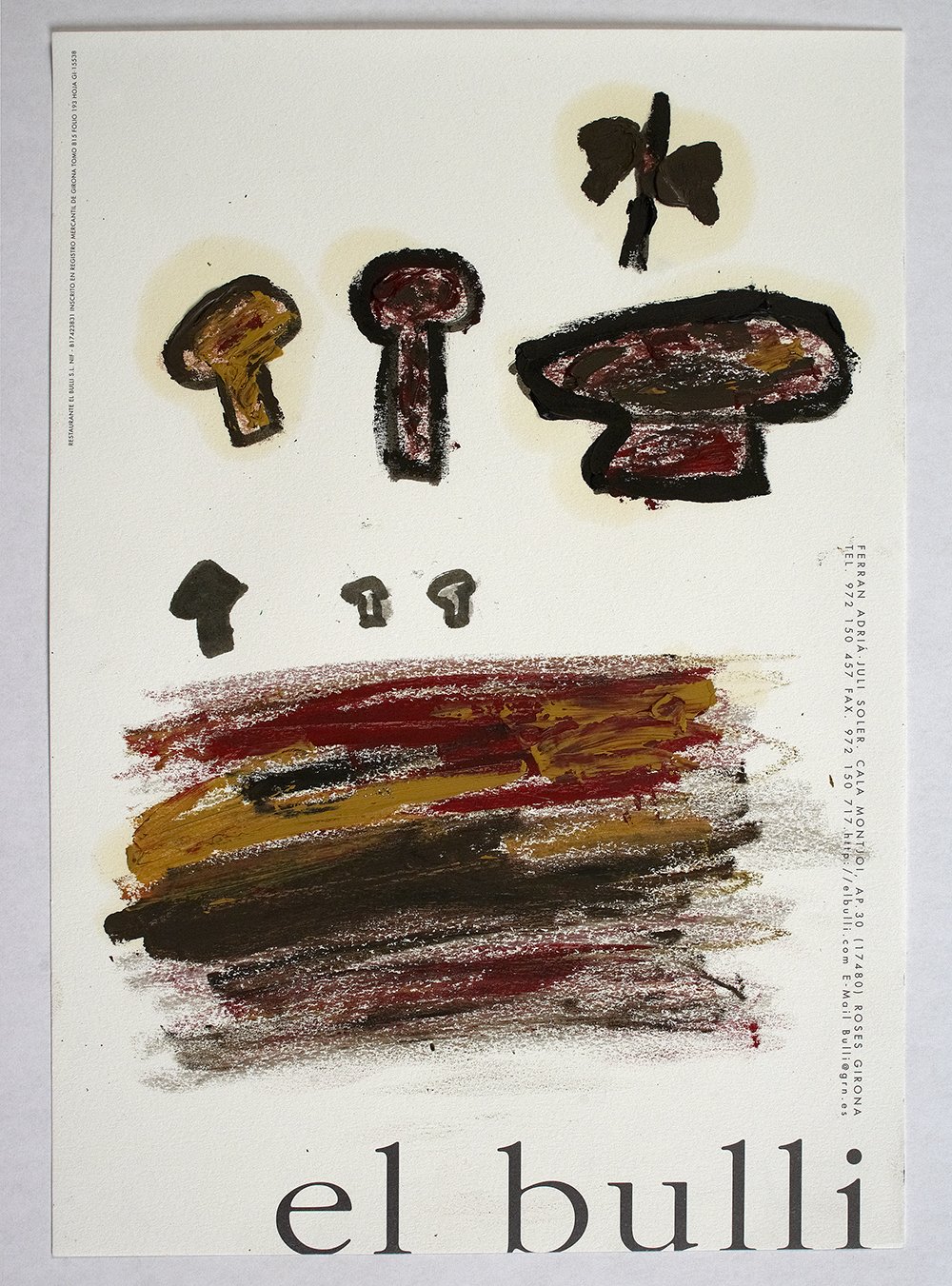
Theory of Culinary Evolution, 2013

$1,500.00
Print made with archival pigments on fine art rag paper
Read more
  • Medium: Print
  • Dimensions: 11.7 x 8.3 inches
  • Edition size: 100
  • Authentication: This work comes with a Certificate of Authenticity signed by the artist.
Add to Wishlist Remove from Wishlist

Limited Availability

Fully Insured Shipment

Delivered Duty Paid

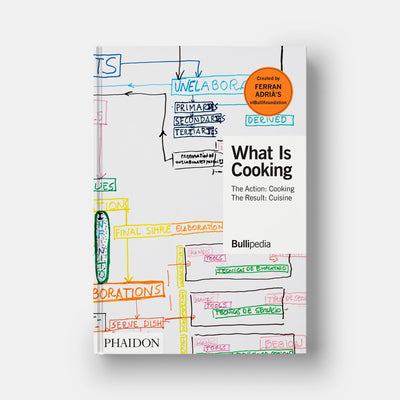
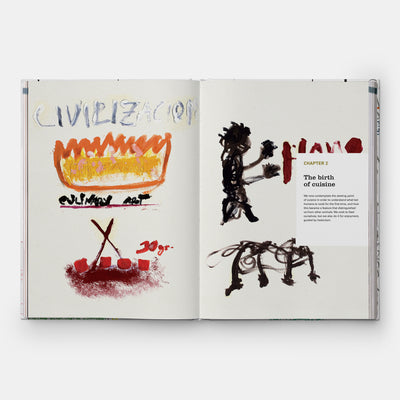
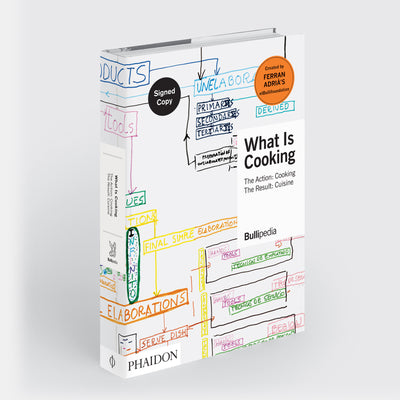
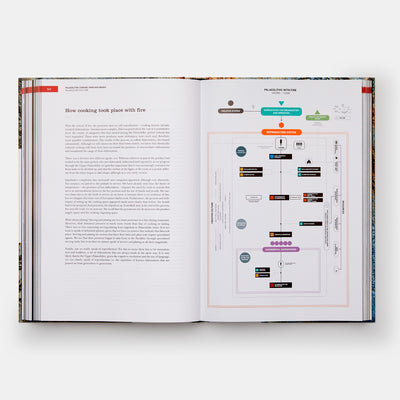
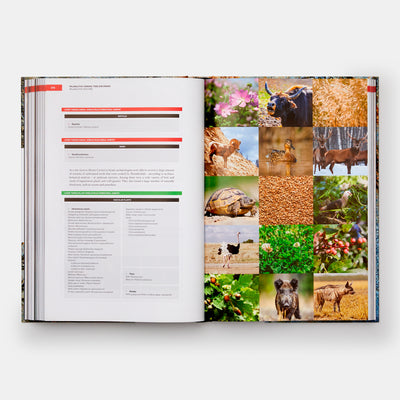
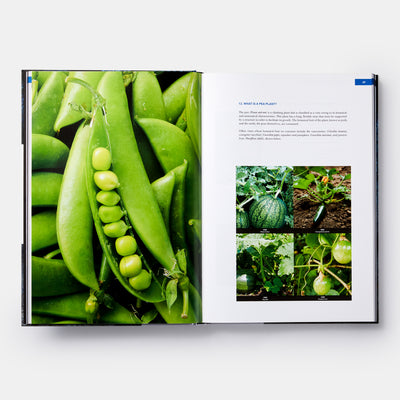
At what point can we say that cooking exists? Perhaps since fire was discovered and harnessed? Or since the time man was capable of combining different flavors? Hypotheses regarding the different phases of human development during the Paleolithic era are, in many cases, always evolving. Even so, paleontologists and archaeologists, in addition to aiding progress at a technological level, contribute to finding and explaining new discoveries.

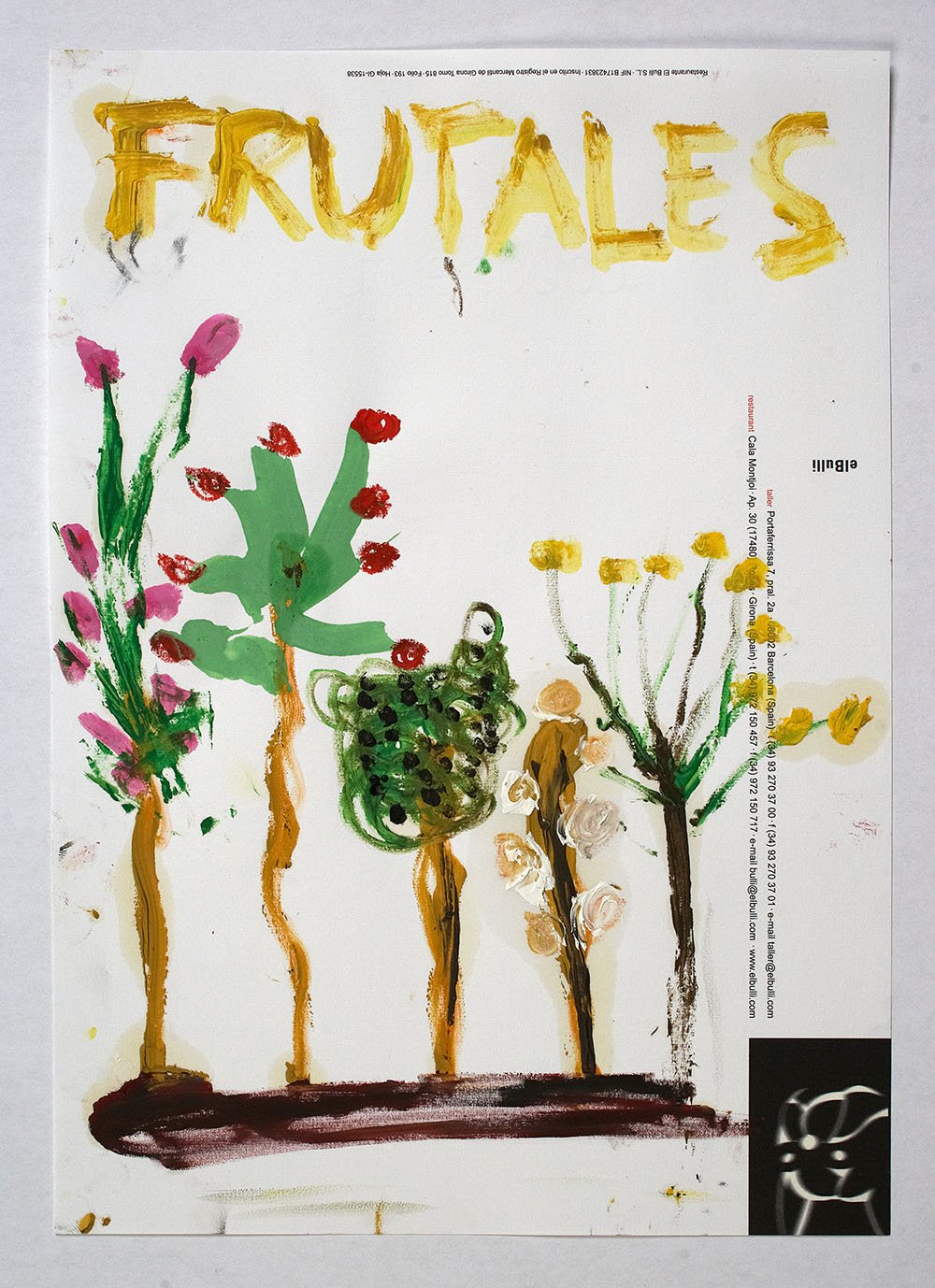
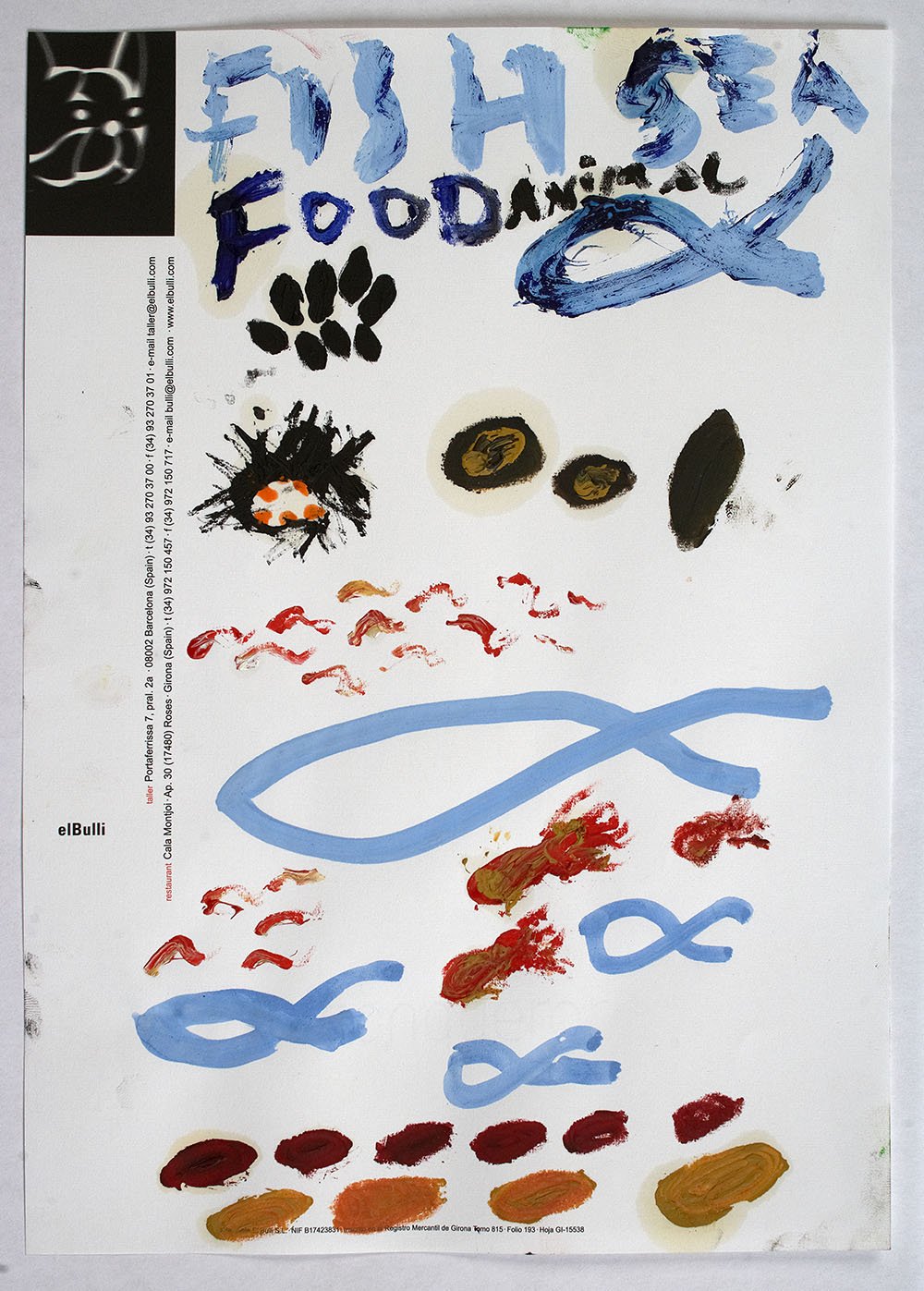
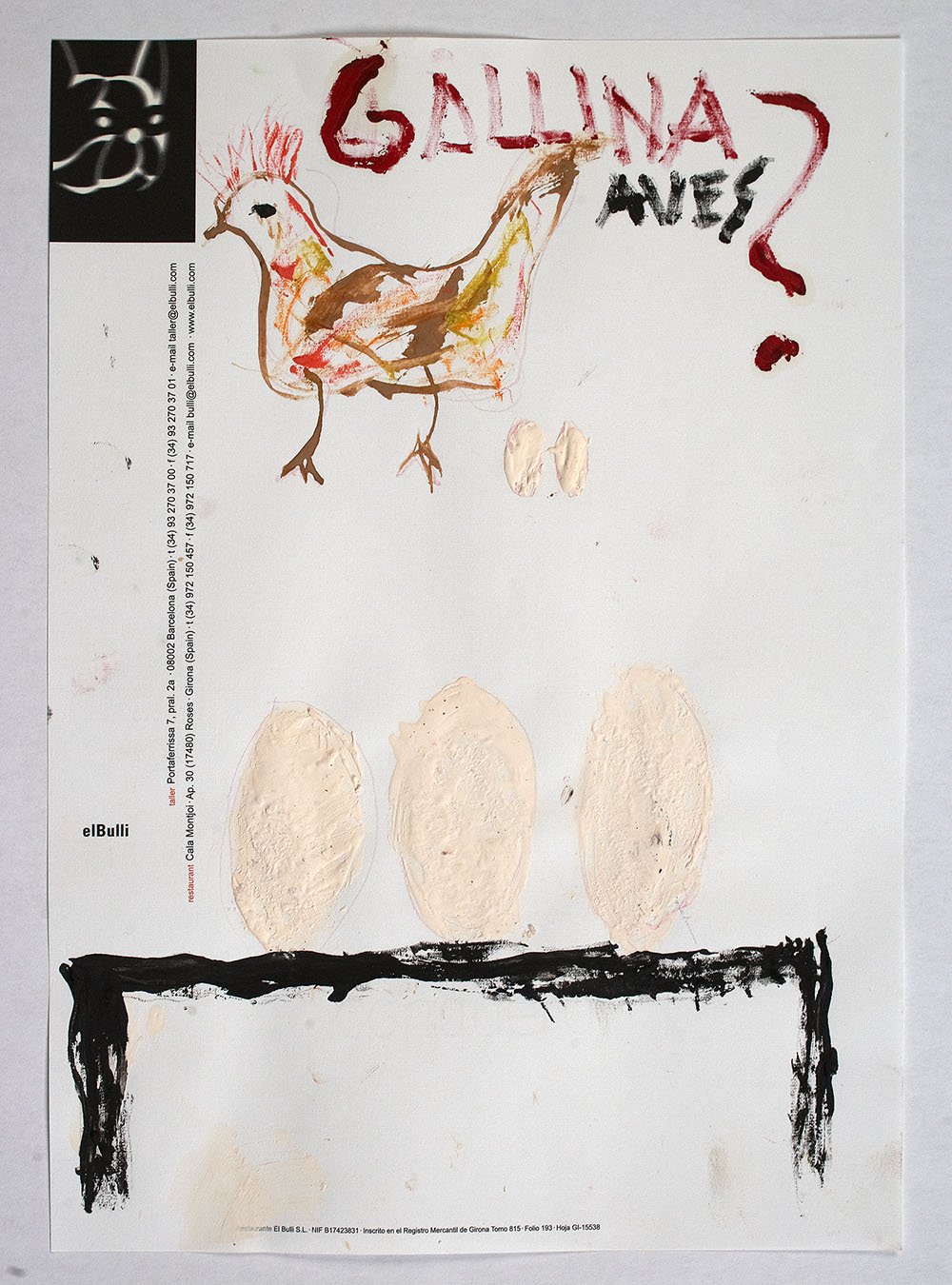
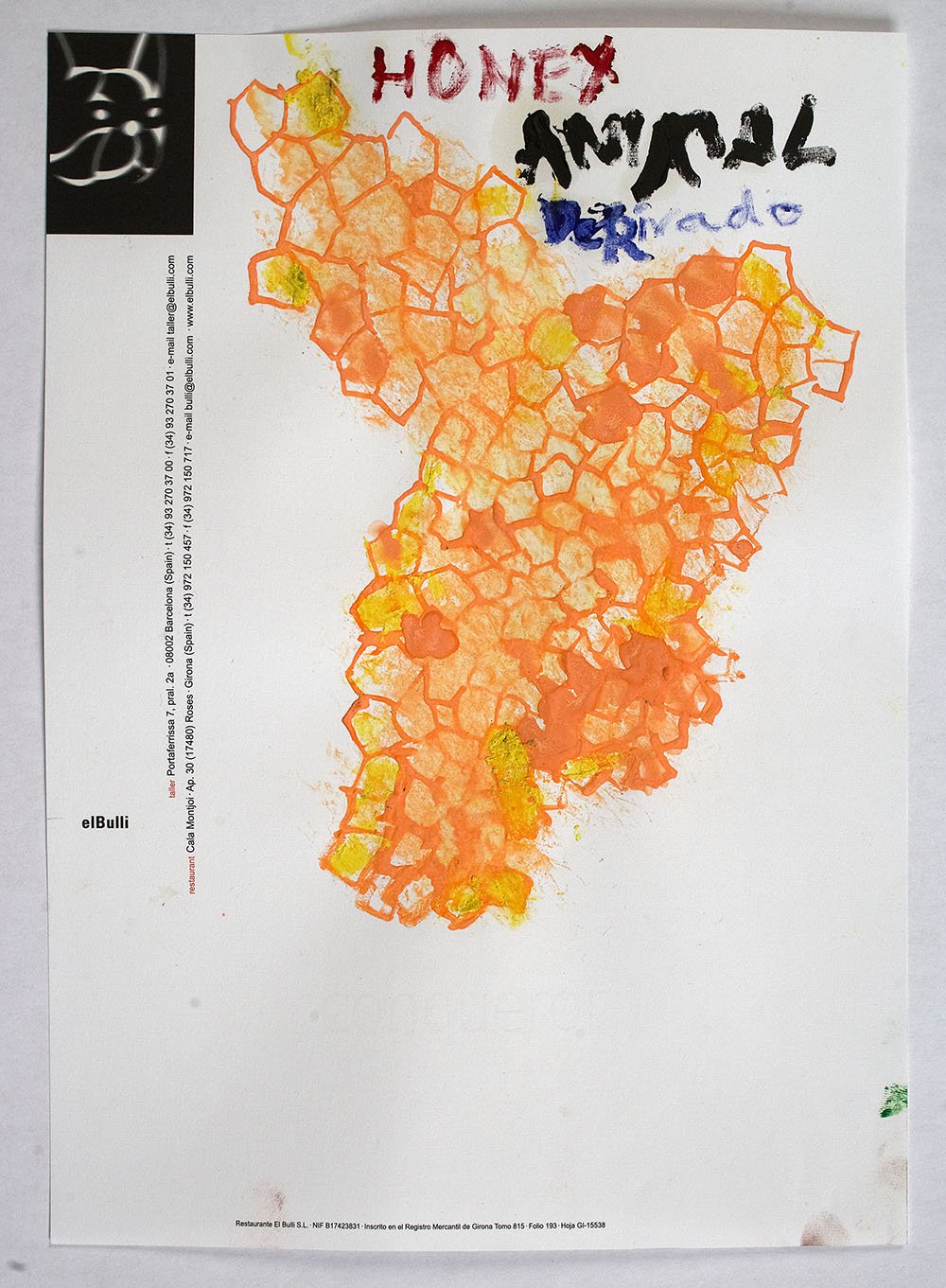
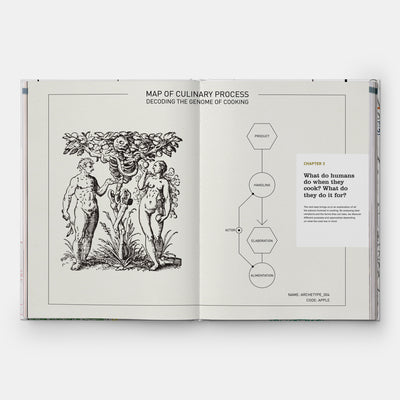
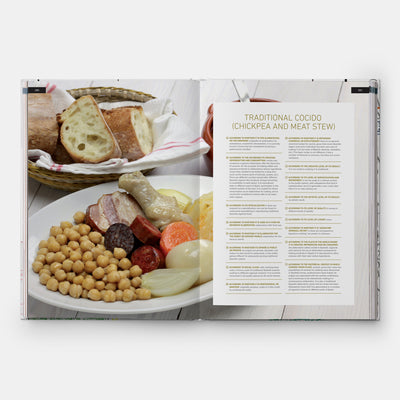
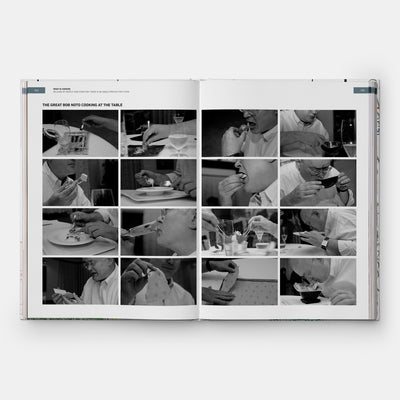
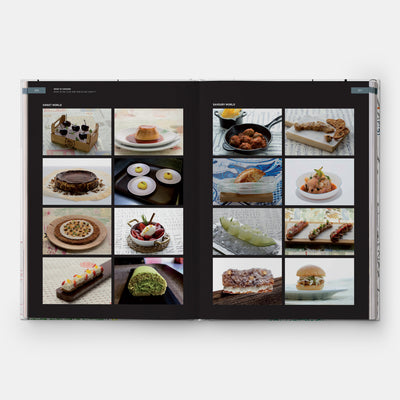
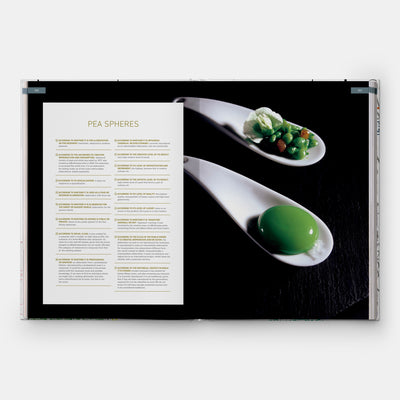
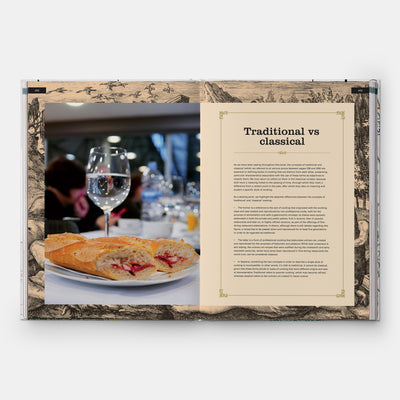
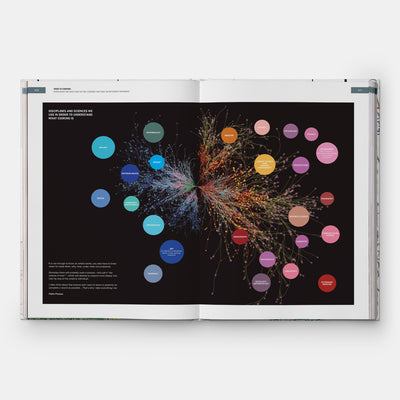
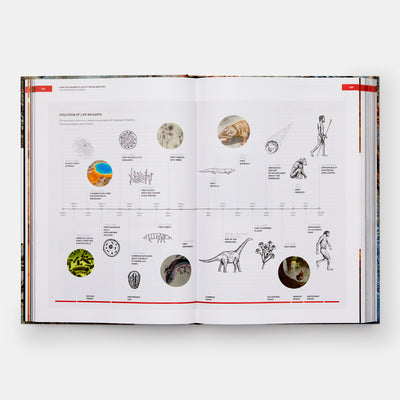
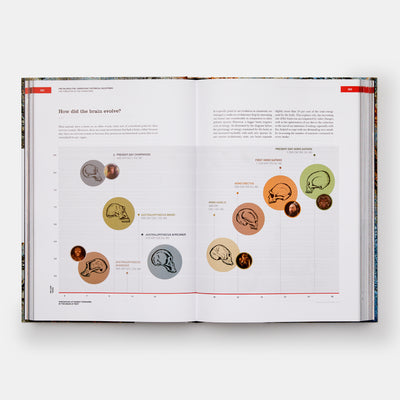
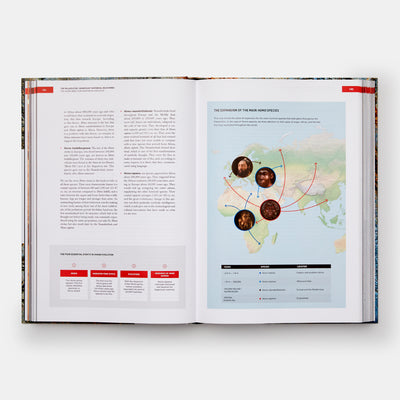
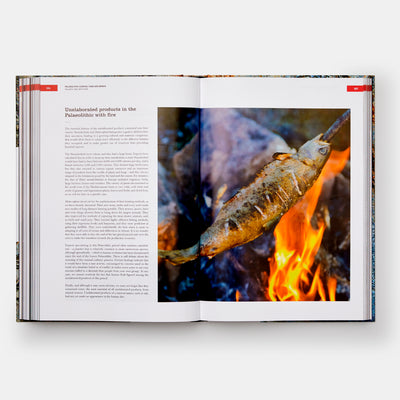
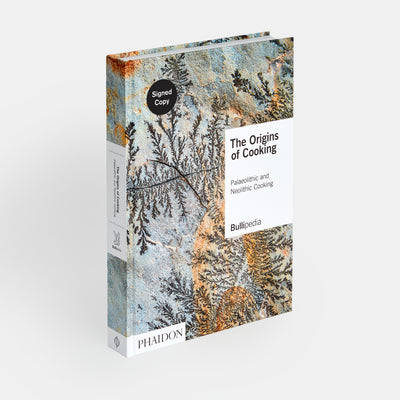
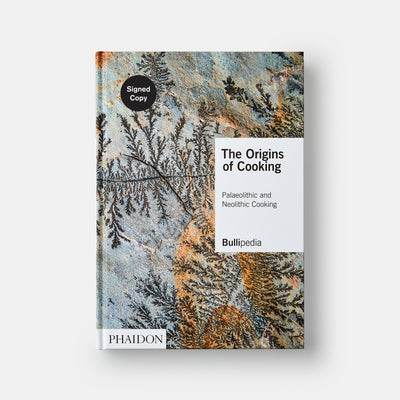
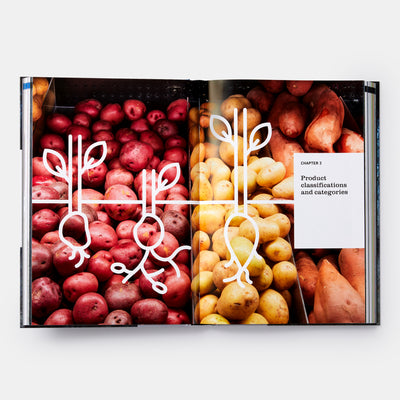
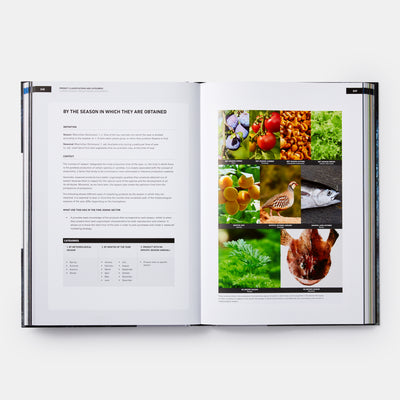
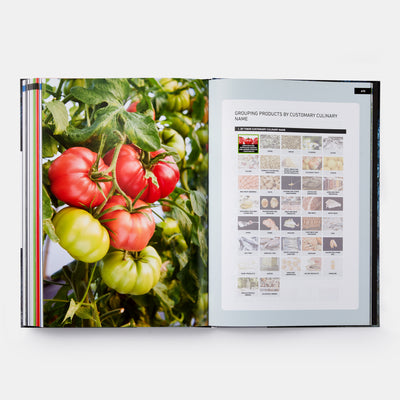
This selection of fifteen prints aims to advance a theory of culinary evolution. Symbolically, beginning with the Big Bang, the formation of the solar system and the earth, and the appearance of life, these works sketch a theory of how and what early humans fed themselves: the gathering of vegetal species and the consumption of meat, first from dead animals and then from hunting.

This act brought about an increase in cerebral mass and, as a consequence, the evolution of intelligence. After the discovery and control of fire, man took ownership of his surroundings until, by the Neolithic period, he established himself in stable settlements and, with the appearance of agriculture and the husbandry of livestock, “domesticated” nature. The point of departure for cooking as we know it today is the Neolithic period.

Ferran Adrià Acosta was born in 1962 in Barcelona, Spain. In April 1984, Adrià joined the team of elBulli in the position of Chef de Partie. By 1987, Adrià began to use ingredients, techniques, and regional influences that reinterpreted “haute cuisine.” Until 1993, the Mediterranean-style defined much of the cuisine of elBulli and exerted an important influence on the Catalan and Spanish cuisine of this period. However, beginning in 1990, Adrià incorporated tapas, spoons, skewers, jellies, and savory ice cream—concepts that reached their full expression by 1994.

From that time on, three pillars characterized the cuisine of elBulli: continual research of new cooking techniques; an emphasis on the role of the senses in the art of creating and eating; and the sixth sense, that is to say, the role of reason and reflection on the act of eating. Adrià’s trademark cuisine was served to the elBulli diner in the form of an extensive tasting menu, which grew to more than forty dishes in the final years of elBulli.

Beginning in the late 1980s, Adrià and Juli established a culinary season that was divided into two parts: six months of service in the restaurant and six months of research and creativity. The latter activity was carried out in different locations until 2000, when elBullitaller was opened in Barcelona. This change marked an evolution in the cuisine of elBulli, leading to the bestowal of three Michelin stars in 1997, and the title of “Best Restaurant in the World” by Restaurant Magazine in 2002, 2006, 2007, 2008 and 2009. The accolade “Chef of the Decade” was presented to Adrià in 2010 by the same magazine. In 2011, Adrià decided to transform the restaurant into a foundation that will open in 2015.

The foundation will aim to preserve the legacy of elBulli, including its installations and its archive. The original elBulli building in Cala Montjoi will be redesigned by Spanish architect Enric Ruiz Geli, who will create a space that is sustainable, ecological, and integrated into the landscape. A permanent exhibition will be staged to present a narrative that outlines the restaurant’s history and culinary evolution. In addition, this space will provide facilities for activities related to the process of creativity with a team that will publish its research on the Internet.
All our frames are manufactured in the USA, using eco-friendly and sustainably sourced engineered hardwood for durability and a uniform finish that is free of defects. Frames are available in Black or White Satin and Honey Pecan.

All prints are hinged to a conservation quality, acid-free and lignin-free Alpha Cellulose matboard, using an acid-free linen tape. The mat's surface paper is fade and bleed resistant and is attached to a conservation quality foam-core mounting board that will keep the work safe from deterioration over time. Artworks with a deckled or decorative edges will be floated on the matboard, with acrylic spacers to separate the art from the glazing. All mounting is fully reversible, without any potential damage to the art.

All of our frames come with picture quality .090 mm plexiglass, which blocks 66% of UV to prevent color fading from exposure to light, keeping your art protected for years to come. It is now considered the industry standard for artists, museums and galleries throughout the world.

For images up to 30" x 40"

  • 1 1/4” wide, 3/4” deep, with a 2 1/2” wide mat.
  • We generally leave 1/4” - 1/2” of paper showing around the image, to accommodate signatures and for visual appeal.

For sheet sizes larger than 30” x 40" please contact an Artspace advisor for a custom quote.

Our art editions ship in 7 to 10 business days from New York.

Our framed art editions ship in 11 to 14 business days from New York.

This work is eligible for return within 30 days of receipt of delivery.
Questions about this work?

Interested in other works by this artist or other artists? We will source them for you.
Contact an Artspace Advisor at advisor@artspace.com

Add to cart - $1,500.00