







![Handwork: Handcrafted Objects that Made America [Craft in America]](http://www.phaidon.com/cdn/shop/files/M-handwork-en-3727-3d-standing-front-3000_cf7b8381-b3a2-41fd-86da-6fe623fb0a35.jpg?v=1784715138&width=400)
![Handwork: Handcrafted Objects that Made America [Craft in America]](http://www.phaidon.com/cdn/shop/files/M-handwork-en-3727-3d-overview-3000_038c21c2-0af7-41e2-8a96-9b0beaf9c2d6.jpg?v=1784715138&width=400)
![Handwork: Handcrafted Objects that Made America [Craft in America]](http://www.phaidon.com/cdn/shop/files/M-handwork-en-3727-3d-spread-1-3000_675d5a59-80e7-4b98-bb57-f9d68d61b20d.jpg?v=1784715138&width=400)
![Handwork: Handcrafted Objects that Made America [Craft in America]](http://www.phaidon.com/cdn/shop/files/M-handwork-en-3727-3d-spread-2-3000_a21c9230-7856-470d-8101-09ae2fef75e3.jpg?v=1784715138&width=400)
![Handwork: Handcrafted Objects that Made America [Craft in America]](http://www.phaidon.com/cdn/shop/files/M-handwork-en-3727-3d-spread-3-3000_6dbd48c4-eaab-4b0d-86a2-19b97d8be954.jpg?v=1784715138&width=400)
![Handwork: Handcrafted Objects that Made America [Craft in America]](http://www.phaidon.com/cdn/shop/files/M-handwork-en-3727-3d-spread-4-3000_851a14d9-3b23-4197-85c5-3a4503b24548.jpg?v=1784715138&width=400)
![Handwork: Handcrafted Objects that Made America [Craft in America]](http://www.phaidon.com/cdn/shop/files/M-handwork-en-3727-3d-spread-5-3000_232b034c-682e-4a6f-b47b-81d5a99dd497.jpg?v=1784715138&width=400)
![Handwork: Handcrafted Objects that Made America [Craft in America]](http://www.phaidon.com/cdn/shop/files/M-handwork-en-3727-3d-spread-6-3000_4c787d9d-1fb6-4812-9652-d15d93423bc0.jpg?v=1784715138&width=400)




























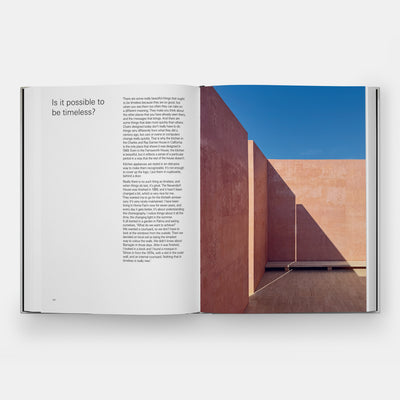


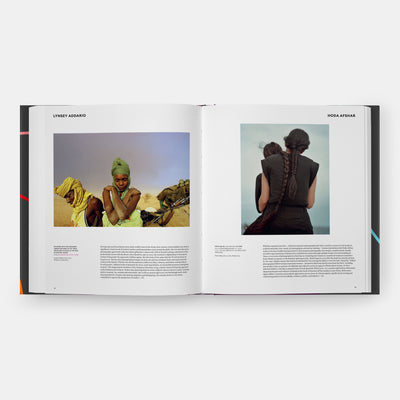
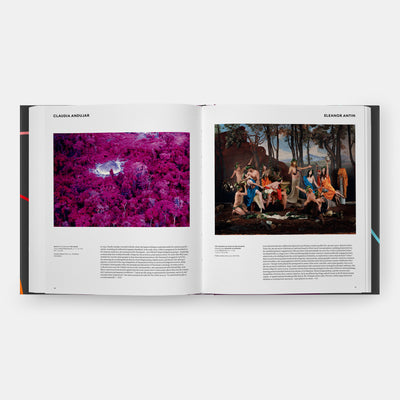
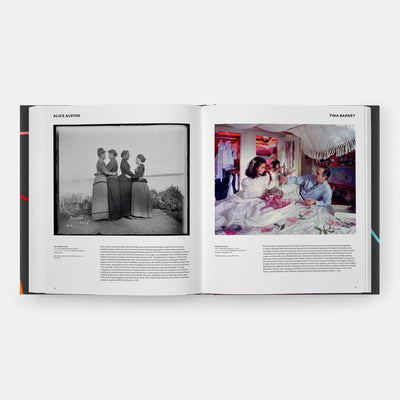






















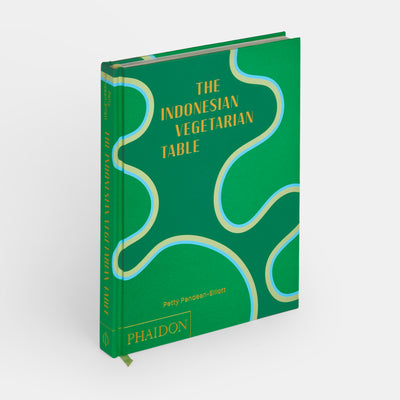
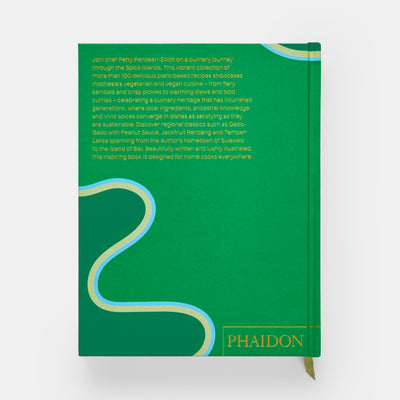
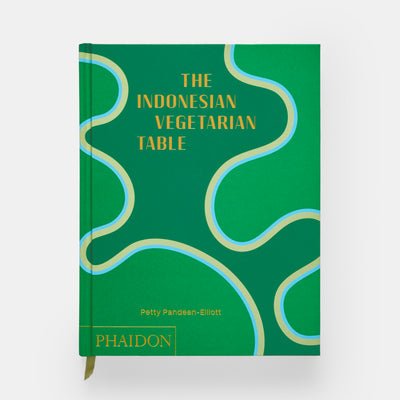
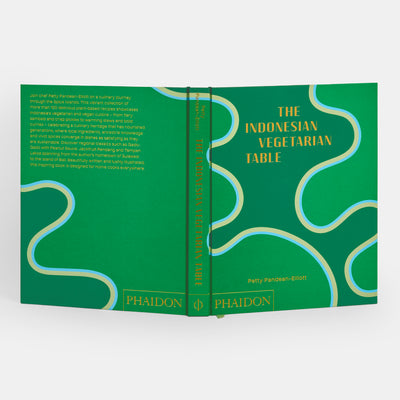
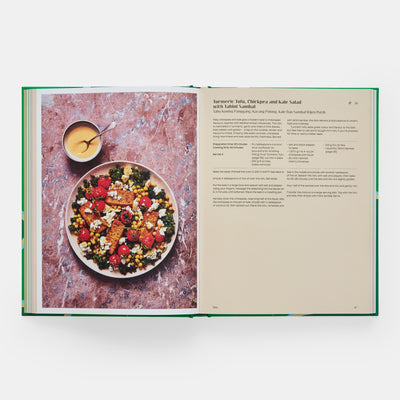
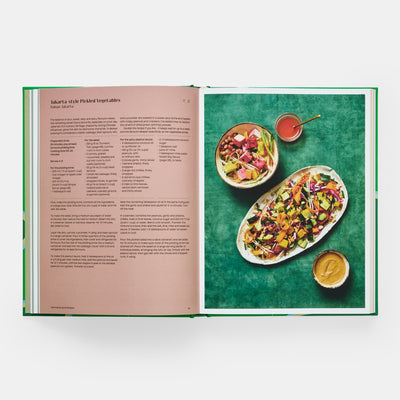
Our new book The Indonesian Vegetarian Table offers an evocative journey through Indonesia’s plant-based traditions with more than 100 recipes created for home cooks. It’s authored by Petty Pandean-Elliott, a pioneering figure in modern Indonesian cuisine.
She has judged for Asia’s 50 Best Restaurants and the World’s 50 Best Restaurants, is a member of the Guild of Food Writers and has been widely published in outlets from BBC Good Food to The Jakarta Post.
The new book follows on the heels of best-seller The Indonesian Table and like that book, is much more than a recipe collection—it is a meditation on heritage, sustainability and creativity, and a celebration of how Indonesian plant-based cooking continues to inspire across cultures and generations.

Roasted Vegetables with Two Sambals. Photography: Yuki Sugiura
Indonesia is heaven for sources of plant-based protein, essential for a vegetarian and vegan diet. Here, author Petty Pandean-Elliot recalls the tastes of her home and her younger days.
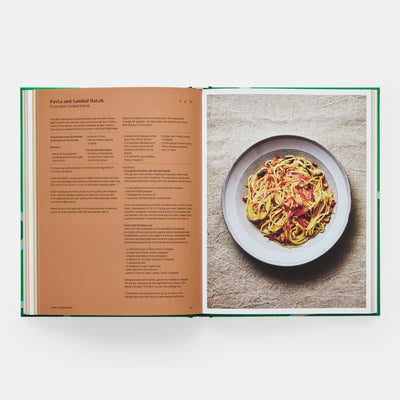
“Some flavors and aromas from your homeland never leave you – they cling to your heart. For instance, the memory of Oma’s (grandmother’s) food are in a Manado-style rica-rica sambal (made with chillies, ginger, shallots, garlic and tomatoes), which I combine with tempeh and pasta.

Spiced Tempeh and Mushroom Stew
While it is a modern dish, it still carries the flavor of home. And that balance of heat, sweetness and aroma underpins the recipes ahead. Such sensory memories live on in every meal, in every bite, in every moment when a familiar dish transports me back to communities in Sumatra, Flores, Bali, Kalimantan, Maluku and the warm shores of Sulawesi – because no matter where life takes you, some flavors and aromas of your comfort food will always whisper: ‘You are home.’
For me, growing up on the island of Sulawesi, food wasn’t just about eating – it was how we connected. It was tradition, celebration and comfort. Clear Spinach and Corn Soup, sweet and spicy Rujak and coconut pudding weren’t just meals – they were part of the rhythm of life. Sunday mornings often began with tinutuan, a golden porridge of pumpkin, corn and water spinach. It was simple but full of care – and to me, it was the taste of home. (You’ll find the recipe in my first book, The Indonesian Table.)

Spiced Tofu in Banana Leaves. Photography: Yuki Sugiura
The aroma of woku, a spice and herb blend from Manado, North Sulawesi, immediately takes me back home. It’s made with turmeric, lemongrass, makrut lime leaves, ginger, galangal, chillies, shallots and garlic, sizzling in a hot wok until the fragrance fills the kitchen. There’s the sharp, fresh scent of Dabu-Dabu, a spicy tomato salsa, and the comforting sweetness of coconut and vanilla in Klappertaart, a young-coconut tart served with strawberry.
Even something as simple as a favorite sambal can trigger memories. But it’s not just about smell or flavor. The experience includes the soft texture of steamed cassava or sweet potatoes, the crispness of fresh vegetables and the creaminess of coconut milk as it coats your spoon. Dishes are colorful and vibrant – palm-leaf parcels filled with turmeric coconut rice, boiled egg and potato sambal; tropical fruits of bright pink, yellow and green; and sauces that bring contrast to every plate.

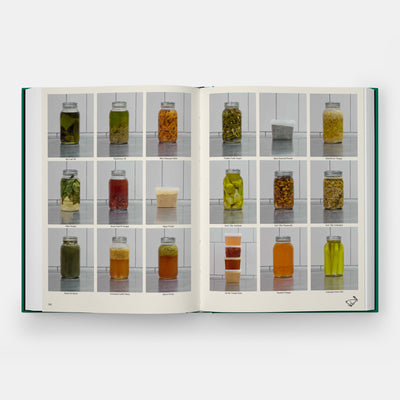
Ferments and Pickles. Photography: Yuki Sugiura Left to right, top to bottom: Fermented Cassava; Pickled Pineapple; Bogor-style Pickles; Sambal Lu’at; Tempeh; Sour Turmeric Drink; Pickled Rambutan; Mixed Fruit and Vegetable Pickles; Sweet Fermented Glutinous Rice; Pickled Shallots; Cucumber and Chillies
Our family eventually moved to Jakarta. Towering buildings and busy streets replaced swaying coconut trees and soft, sandy beaches. Above the hum of the city, the air carried a different scent from the endless array of regional cuisines: from Padang and Sunda, West Java to Bali and beyond.
Jakarta was and is a melting pot of Chinese-Indonesian, Arabic-Indonesian, Indian-Indonesian and European-Indonesian influences, all adding to its diverse food culture. It was in Jakarta that I discovered tempeh, tofu, sweet soy sauce and an even wider variety of fermented soy products, different spices and vegetables.
 Warm Sorghum Salad with Smoked Tomato Sambal. Photography: Yuki Sugiura
The flavors of Indonesian food not only connected my past and present but also became a bridge to the future, especially when my family relocated to the UK in 2018. Whether we were amid London’s bustling streets or the quiet of our English countryside home, Indonesia never felt far away. As long as the kitchen was filled with lemongrass, makrut lime leaves, chillies and ginger, I felt at home: grounded, centered and comforted. That comfort rests on the depth of the culinary traditions themselves. Indonesian cuisine, shaped by centuries of global influences, is filled with many ingredients, some native, others introduced over time.

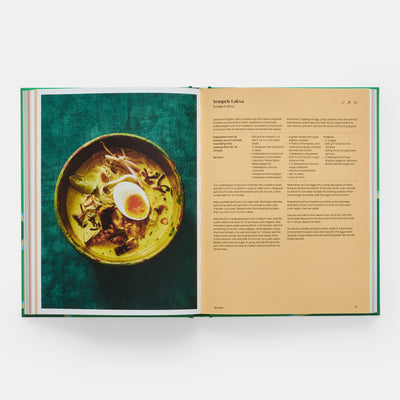
Tempeh Laksa. Photography: Yuki Sugiura
Visiting my grandparents’ coconut plantation in Manado and standing beneath the same coconut trees that shaded my childhood, I feel a quiet optimism: Indonesia is not just home but a vibrant centre for the plant-based movement – and a healthy, well-nourished future. The Archipelago of Plenty Indonesia’s native spices and fertile land have attracted global attention for centuries. It is, after all, the birthplace of nutmeg and cloves and a key source for cinnamon and black and white peppercorns – spices that had European traders and, earlier, Chinese and Indian merchants flocking to its shores.

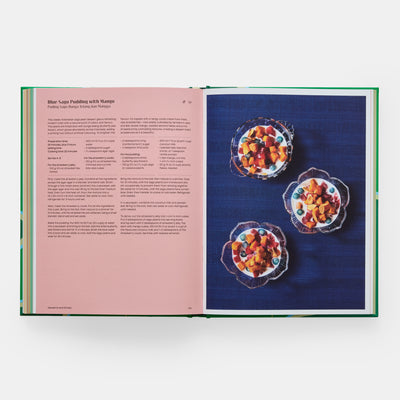
Blue Sago Pudding with Mango. Photography: Yuki Sugiura
No discussion of Indonesian plant-based food is complete without sambal. These fiery condiments – made with chillies, tomatoes, shallots and other plant-based ingredients – are essential to our cuisine, enhancing and deepening flavor to savory dishes. I use sambal not only as a condiment but also as a staple to create modern Indonesian dishes. Beyond nourishment, plants have long shaped traditional cooking methods and presentation.
From the warmth of family kitchens in Sulawesi to the discoveries of my travels, food has always been my way of making sense of place and connection."
Take a closer look at The Indonesian Vegetarian Table.
Petty Pandean-Elliott. Credit: Courtesy Petty Pandean-Elliott