




































Search:
Type:
mccabe 05 warhol artwork vibrant pop art style colorful portrait
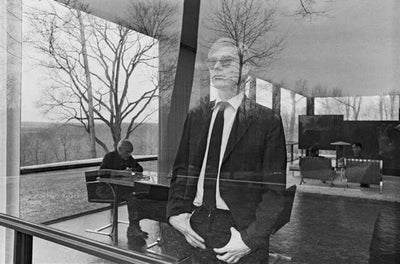
Philip Johnson and Friends: Andy Warhol
Philip Johnson, often seen as a precursor to the modern ‘starchitect,’ built his fame not on a singular architectural style, but on his charismatic social presence and wide-ranging connections with cultural icons like Andy Warhol, Lou Reed, and John Cage. His life intertwined with the vibrant New York avant-garde scene, especially through his long-time partner David Whitney, who connected him to the art world’s elite. Johnson’s legendary Glass House in New Canaan became a magnet for the famous and influential, embodying his unique blend of architecture and celebrity. His collaboration with Warhol on the controversial 1964 World’s Fair project, featuring the silvery mosaic of “13 Most Wanted Men,” highlighted both his pioneering spirit and the tensions between art and society. This vibrant social and creative world is vividly explored in the new book *Philip Johnson: A Visual Biography*, offering intimate stories and insights into the man behind the architectural icon.
Read more
arborg tree with green leaves in natural outdoor setting
Splendid isolation - 5 places we wouldn't mind holing up in
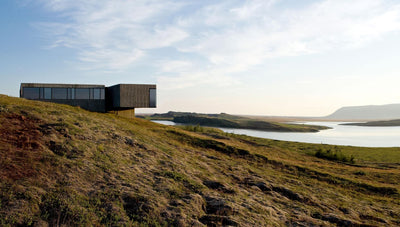
Living on Vacation: Contemporary Houses for Tranquil Living showcases a stunning collection of modern homes designed for ultimate relaxation and escape from the hustle and bustle of everyday life. From the remote Writers House on Norway’s Vega archipelago, blending into its wild surroundings, to the secluded Bear Stand nestled in Ontario’s vast wilderness, each retreat offers a unique connection to nature. The off-grid Island Retreat in New Zealand embraces utilitarian simplicity powered by solar energy, while Owl Creek in Colorado fosters deep connections among family and friends with its lodge-like design and expansive mountain views. Even far-flung Árborg House in Iceland impresses with its rugged concrete exterior and warm teak interiors, perfectly in tune with its volcanic landscape. These homes redefine the art of peaceful living, offering inspiration for those seeking solitude or serene togetherness amid breathtaking environments.
Read more
modern glass house exterior with large windows and minimalist design
Philip Johnson, the Glass House, and its dark secrets
Philip Johnson’s Glass House stands as a defining icon of 20th-century American architecture, embodying both modernist elegance and complex personal history. Built in 1949 on a scenic New Canaan site, the glass-walled retreat—deeply influenced by Johnson’s admiration for Mies van der Rohe—challenged traditional notions of privacy and architectural form. While celebrated for its minimalist beauty and its role in popularizing modernism in the U.S., the house also revealed Johnson’s contradictions: its flaws in construction, the mixed reactions from architectural giants like Mies and Frank Lloyd Wright, and Johnson’s own use of the hearth to burn evidence of his controversial past. More than just a home, the Glass House was a stage for cultural gatherings and a symbol of Johnson’s provocative vision, capturing the tensions between openness and secrecy, glamour and darkness.
Read more
PJ Seagram desk vintage wooden office furniture classic design
All you need to know about Philip Johnson: A Visual Biography
Philip Johnson was an iconic American architect and cultural figure whose career spanned seven decades, intertwining with the major artistic and architectural movements of the twentieth century. From his early days influenced by the Bauhaus and his controversial pre-war Nazi sympathies to designing landmark buildings like The Glass House and New York’s Seagram Building alongside Ludwig Mies van der Rohe, Johnson's legacy is both rich and complex. Known for his influential role as a curator and promoter at the Museum of Modern Art, his expansive art collection, and a dazzling social circle featuring Andy Warhol, Jackie Onassis, and Donald Trump, Johnson’s life was as much about architecture as it was about shaping American cultural identity. Ian Volner’s new visual biography offers a deeply illustrated journey through Johnson’s bold, sometimes contradictory, aesthetic vision and his indelible imprint on the architectural world.
Read more
team Disney group photo diverse employees smiling in office environment
Did Postmodern Architecture help Disney win over big talent?
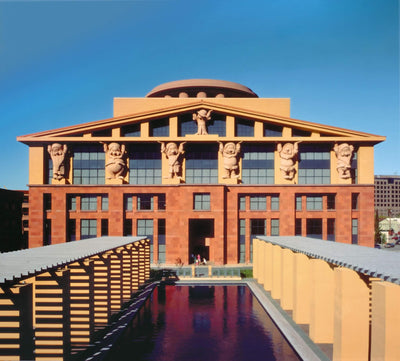
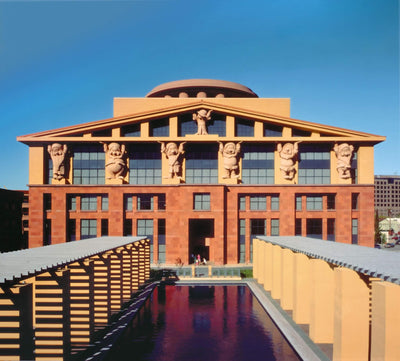
Disney's recent cinematic triumphs might owe part of their magic to an unexpected source: the company's bold investment in postmodern architecture. Their portfolio boasts iconic buildings designed by architectural stars like Arata Isozaki, Robert A.M. Stern, and Michael Graves, blending playful artifice with functional grandeur. As former CEO Michael Eisner noted, these striking buildings not only attract top creative talent but also inspire Disney’s own teams to infuse style and taste into their work. Highlighting the fusion of visionary design and entertainment, Disney’s architectural choices reflect a savvy strategy that helped shape its creative empire and blockbuster successes.
Read more
team Disney group photo diverse employees smiling in office environment
All you need to know about Postmodern Architecture: Less is a Bore
Postmodern Architecture: Less is a Bore offers a vibrant, eclectic celebration of postmodern design that challenges the monotonous minimalism of modernism. This stunning collection showcases a dazzling range of architecture—from whimsical corporate buildings and playful houses to bold interpretations that mix classic, pop, and vernacular styles—highlighting the movement’s embrace of complexity, contradiction, and cultural diversity. With contributions from iconic architects and artists alongside critical voices, the book reveals how postmodernism reflects a world shifting toward globalization, media saturation, and identity politics, inviting readers to revel in freedom of expression and creativity. Whether you’re a lover of art, design, or cultural history, this book promises an inspiring journey through some of the most imaginative, provocative architecture of recent times.
Read more
Guggenheim Museum exterior architectural detail with curved white concrete and glass panels
INTERVIEW: Pierluigi Serraino on the 'emotional intensity' of Ezra Stoller
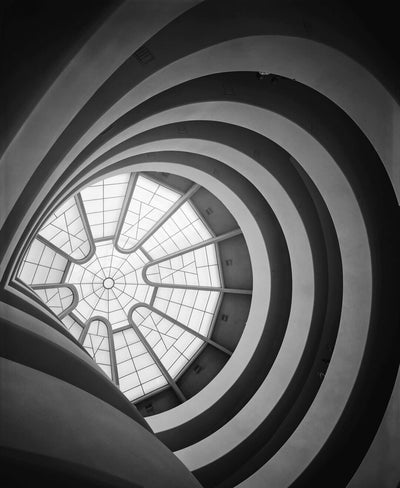
Ezra Stoller’s photography defined the look of American modernism, capturing iconic buildings like Fallingwater and the Salk Institute with unmatched clarity and emotional depth. Architect and author Pierluigi Serraino explores Stoller’s profound impact in his new book, revealing how Stoller’s images not only documented but shaped architectural history by presenting modernism as a transformative force for society. Covering the golden era of post-war architecture and its later decline, the book celebrates Stoller’s rigor, vision, and ability to immortalize buildings at their peak, making it an essential treasure for anyone passionate about architecture and timeless design.
Read more
095 a kaufmann image showing a professional portrait of A Kaufmann in business attire
INTERVIEW: Dominic Bradbury on how Mid-Century Modernism took over our world - and why we're happy it did
Living in a mid-century modern home is like stepping into a dream inspired by the post-war optimism of architects worldwide who sought to redefine domestic life through open-plan designs, bold use of materials like concrete, glass, and steel, and a joyful embrace of color, texture, and geometric forms. Dominic Bradbury, author of *Atlas of Mid-Century Modern Houses*, reveals how this era’s architecture was not just a style but a global movement marked by seamless integration of interiors and exteriors, the rise of inside/outside living, and an artistic cross-pollination that transcended borders. From California’s sun-drenched expanses to tropical modernism in Africa and vibrant expressions in Latin America, mid-century homes symbolize a hopeful, playful, and deeply creative moment in architectural history. Though once dismissed, these experimental homes are now valued treasures, influencing contemporary design with their modest scale, sustainability threads, and cohesive artistry that continues to captivate enthusiasts around the world.
Read more
Thorsten smiling portrait professional headshot outdoors natural light
Why does Snøhetta's co-founder feel like a dinosaur?
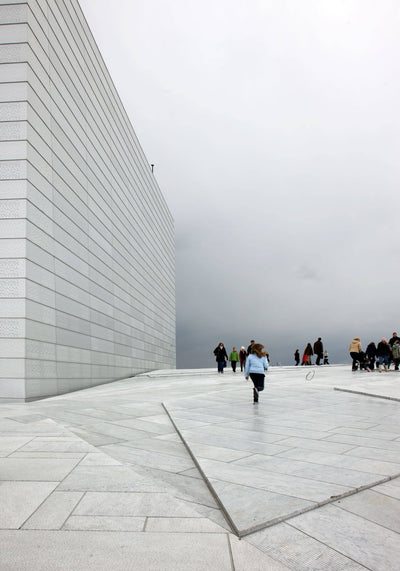
Marking 30 years since its founding, Norwegian architecture firm Snøhetta has undergone a remarkable transformation, evolving from hand-drawn designs like the Bibliotheca Alexandrina to pioneering integrated public spaces such as the Oslo Opera House. Co-founder Kjetil Trædal Thorsen reflects on the firm’s commitment to social sustainability, blending aesthetics with public ownership to create cultural buildings that inspire community and freedom. Despite working in diverse political contexts, Snøhetta champions architecture as a powerful societal tool, emphasizing values like inclusion, innovation, and unity. Their trailblazing approach redefines public space and urban engagement, showcased in landmarks like the 9/11 Memorial Pavilion, and celebrated in the new monograph, Snøhetta: Collective Intuition.
Read more
white fox in snowy forest winter wildlife animal close-up
Mid-Century Modern World: White Fox Lodge
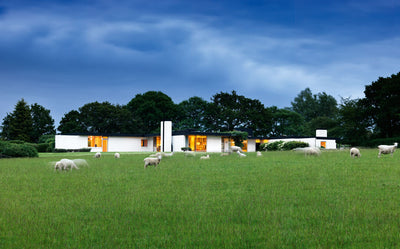
The Atlas of Mid-Century Modern Houses captures the remarkable global spread of Modernist architecture following World War II, highlighting stunning examples from Mediterranean resorts to South American suburbs. While this architectural style flourished in places like the American West Coast, it remains rare in Britain—except for striking exceptions like White Fox Lodge in Sussex. Designed by John Schwerdt and inspired by Frank Lloyd Wright and Richard Neutra, this single-story home features a unique pinwheel floor plan with soaring floor-to-ceiling glass walls that seamlessly connect the interior with the surrounding landscape. The book offers a captivating look at over 400 iconic and hidden gems of mid-century modern homes worldwide, making it an essential resource for architecture enthusiasts.
Read more
Whitney Museum exterior view modern architecture New York City art museum
Ezra Stoller's Modern America: The Whitney Museum
Ezra Stoller, a pioneer of mid-century Modernist photography, captured the essence of Marcel Breuer’s architectural genius in his iconic images of the Whitney Museum of American Art—now known as The Met Breuer. Although Stoller photographed many of Breuer’s residential projects, his focus on the Whitney in 1966 beautifully highlighted the building’s harmony and elegance amid Manhattan’s urban backdrop. Celebrated for his close collaboration with Breuer and his discerning eye, Stoller’s work reveals the enduring brilliance of Modernist design. Their partnership, showcased in the new book *Ezra Stoller: A Photographic History of Modern American Architecture*, offers a stunning visual journey through 20th-century American architectural innovation.
Read more

315 ses voltes architectural detail stone arches historic building facade
Mid-Century Modern World: Ses Voltes
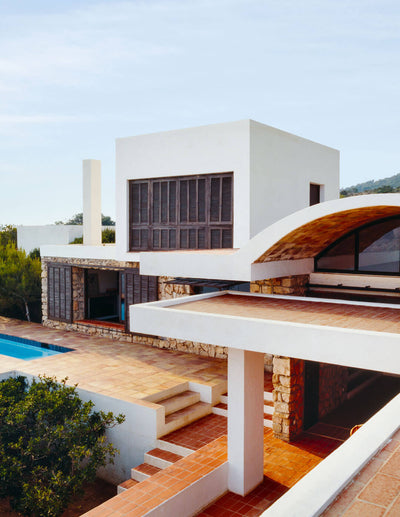
The Atlas of Mid-Century Modern Houses showcases the incredible global influence of Modernist architecture in the post-war era, revealing how this design movement was adapted across diverse climates and cultures from Sub-Saharan Africa to northern Scandinavia. Highlighting the creative blend of modern forms with local traditions, the book features Raimon Torres’s iconic 1964 finca on Ibiza, where raw stone meets whitewashed concrete against a breathtaking ocean backdrop. This stunning residence exemplifies how the movement balanced contemporary innovation with vernacular materials and settings. With over 400 stunning homes by legendary and lesser-known architects worldwide, the atlas is a captivating celebration of mid-century modernism’s elegance and enduring appeal.
Read more
095 a kaufmann image showing a professional portrait of A Kaufmann in business attire
Mid-Century Modern World: The Kaufmann House
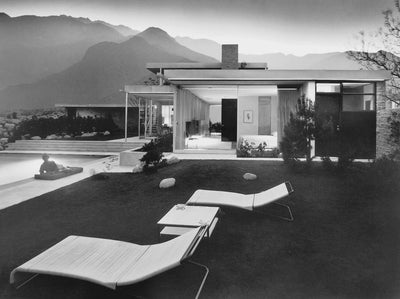
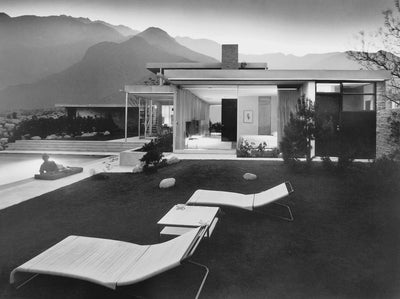
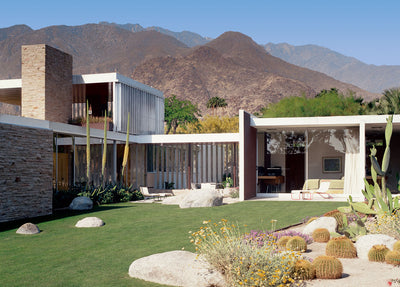
The Atlas of Mid-Century Modern Houses showcases around 400 stunning examples of Modernist architecture from around the world, including two iconic homes owned by Edgar J. Kaufmann. In 1935, Kaufmann acquired Fallingwater, Frank Lloyd Wright’s masterpiece set on Pennsylvania’s Bear Run River. Over a decade later, he added the Kaufmann House in Palm Springs, California, designed by Richard Neutra to embrace the desert landscape with seamless indoor-outdoor living. Featuring stone, steel, and glass constructed around a central sandstone chimney, this expansive yet intimate home reflects Neutra’s signature ‘desert Modernism’ style, with floor-to-ceiling windows, covered walkways, and a rooftop belvedere. Celebrated as a defining symbol of Palm Springs architecture, the Kaufmann House embodies the elegance and innovation of mid-century Modern design captured throughout this fascinating and comprehensive atlas.
Read more
Thredbo mountain village snowy landscape winter skiing Australia
Mid-Century Modern World: Thredbo Ski Lodge
The Atlas of Mid-Century Modern Houses offers a captivating global survey of the finest mid-20th-century homes, celebrating the widespread influence of this iconic architectural style. Spotlighting trailblazing architects like Harry Seidler, who brought Modernism to Australia with landmark designs such as his parents’ iconic Sydney home and the alpine-inspired Thredbo Ski Lodge, the book delves into the creative fusion of traditional forms with modernist innovation. Featuring over 400 stunning houses by legendary figures like Marcel Breuer and Richard Neutra alongside lesser-known gems from Australia, Africa, and Asia, this beautifully researched collection is a must-have for design enthusiasts and those seeking inspiration for distinctive, stylish homes.
Read more

Montauk house exterior modern architecture beachside summer day
Pawson Projects: Montauk House, USA
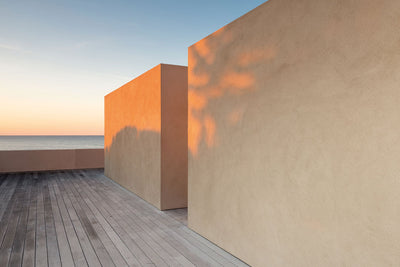
John Pawson’s Montauk House on Long Island exemplifies his minimalist architectural philosophy, where each home becomes a laboratory for exploring new ideas about design and living. Designed between 2009 and 2013 for a family navigating life between Manhattan and the beach, the house responds gracefully to its shifting landscape of dunes and vast skies without trying to mimic it. Instead, Pawson’s use of sandy-rendered walls and silvered hardwood decks evokes the natural surroundings while maintaining a strong, specific architectural identity. As Alison Morris highlights in John Pawson: Anatomy of Minimum, the house harmonizes with its environment in a way that echoes Frank Lloyd Wright’s ideal of a building “of the hill,” reflecting Pawson’s masterful balance of place, light, and proportion.
Read more
Saint Giovanni Battista detailed portrait artwork religious iconography
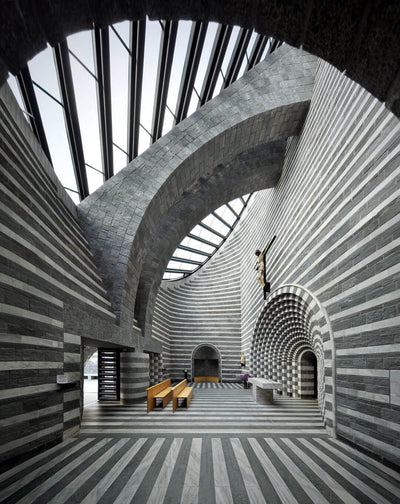
The New Stone Age: Church of San Giovanni Battista
In 1986, an avalanche destroyed the seventeenth-century church in the Swiss village of Mogno, prompting local architect Mario Botta to design a striking new building that blends traditional stone with innovative architecture. Botta’s Church of San Giovanni Battista features alternating layers of white marble and dark gneiss, creating a vibrant pattern illuminated uniquely by a sloping glass roof instead of conventional windows. Opened in 1996, this bold and durable structure initially sparked controversy but has since won admiration both locally and beyond, embodying a fresh take on historical materials and design.
Read more
Kamara portrait professional headshot smiling outdoors natural light
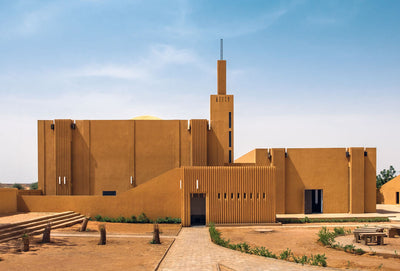
Architecture by Women: Mariam Kamara
The Hikma Religious and Secular Complex in Niger, redesigned by architect Mariam Kamara, beautifully reunites religious worship and secular learning in a single space. Transforming a derelict mosque into a vibrant library and place of worship, Kamara blends Modernist design with traditional materials and techniques, empowering local craftsmen with new skills. Highlighted in the inspiring collection Breaking Ground: Architecture by Women, this project exemplifies Kamara’s commitment to culturally rich, educational architecture that bridges past and present while showcasing the groundbreaking work of female architects worldwide.
Read more

Minimalist architectural interior by John Pawson featuring clean lines and natural light
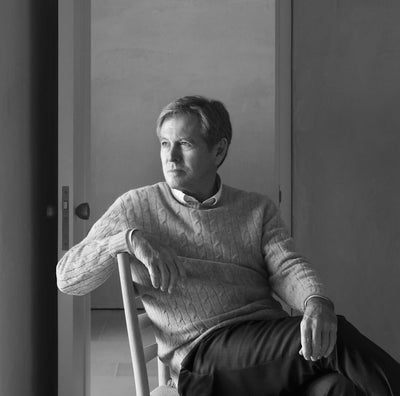
Deyan Sudjic says John Pawson is a bit like Stanley Kubrick
Design Museum director Deyan Sudjic reflects on his unique journey from architectural critic to client in commissioning John Pawson to transform the old Commonwealth Institute into the museum’s new home. Despite the building’s challenging origins—once a drafty, leaky structure with minimal insulation and a budget constrained by post-war rationing—it has been reborn into a versatile cultural space housing treasured exhibitions, archives, and collections. Sudjic praises Pawson’s clarity and patient, listening approach, noting this was the architect’s first public project after a distinguished international career. Drawing parallels with filmmaker Stanley Kubrick’s dedication to preserving the original emotional impact throughout a prolonged creative process, Sudjic describes this collaboration as a deeply fulfilling chapter in his career, enriched by a global architectural journey that informed his vision and respect for Pawson’s minimalist mastery.
Read more

Book cover image featuring ISBN 9780714874845 with a 780-1 code
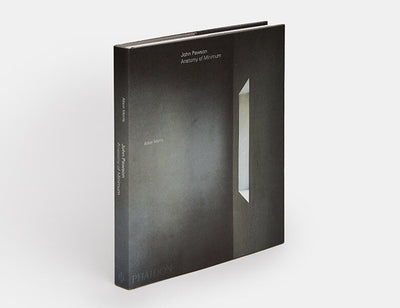
All you need to know about John Pawson: Anatomy of Minimum
John Pawson’s design philosophy of “less is more” shines through in his latest book, *John Pawson: Anatomy of Minimum*, which showcases a curated selection of his recent projects spanning private homes, sacred spaces, and repurposed buildings like London’s Design Museum. With an unwavering focus on proportion, light, and architectural essentials, Pawson’s work speaks to simplicity and restraint, where every detail, from windows to utensils, embodies a thoughtful consideration of space and form. Richly illustrated with photography, renderings, and insightful commentary from collaborators and experts, this volume celebrates Pawson’s timeless style that bridges scales and typologies with subtlety and elegance—making it a must-have for architecture enthusiasts and anyone inspired by refined, contemporary living.
Read more

096 7 Kaufmann portrait black and white vintage photograph
The making of Mid-Century Modernism
The mid-century modern architectural movement emerged from the post-World War II period, marking a fresh start driven by global reconstruction and innovative design principles. Influenced by émigré architects from the Bauhaus school like Walter Gropius, Marcel Breuer, and Ludwig Mies van der Rohe, this era embraced steel and concrete framing, open floor plans, and the seamless blending of indoor and outdoor spaces. Styles evolved across regions—from the sculptural and expressive homes of the Sixties to California's famous desert modernism, the warm, natural textures of Nordic design, Japan's crafted and modular houses, and the vibrant, original creations of Latin American architects like Oscar Niemeyer and Luis Barragan. Each style reflected its unique cultural and environmental context but shared an overarching spirit of optimism and innovation that continues to inspire contemporary home design today.
Read more
Book cover image of 9780714876740 featuring detailed illustration and title text
All you need to know about the Atlas of Mid-Century Modern Houses
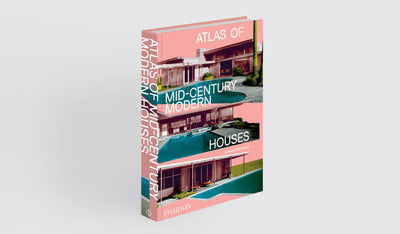
Mid-century modern houses, celebrated for their open-concept living, innovative designs, and timeless appeal, continue to inspire decades after their heyday in the post-war boom era. Spanning the 1940s to the early 1970s, this architectural style is globally celebrated, from iconic West Coast American homes to striking examples in places like Brazil, Finland, and even the Democratic Republic of Congo. The new Atlas of Mid-Century Modern Houses showcases nearly 400 homes by 290 architects, featuring stunning photography and insightful commentary that highlights their unique histories and enduring influence. More than just buildings, these homes reflect a golden age of creativity and optimism, reshaping how we live with their playful, open, and confident spirit that still resonates today.

Read more
architectural detail of modern building exterior with glass and steel elements
How women architects shape the way we think about building
Despite enduring glass ceilings in the architecture profession, women have profoundly shaped the field—often outside traditional building roles—by influencing theoretical discourse and challenging conventional design through feminist and participatory approaches. Trailblazers like Jane Jacobs redefined urbanism with a people-centered lens, while cooperative groups like MATRIX empowered women to reshape social and spatial norms. Academia has become a vital arena where feminist spatial practices flourish, with influential figures redefining architecture’s scope and labor. Recognizing educational barriers, emerging online platforms worldwide are expanding access and inclusivity, connecting diverse voices and integrating anti-racism, LGBTQIA perspectives, and equity into architectural discourse. Breaking Ground: Architecture by Women celebrates these contributions, showcasing the vibrant legacy and promise of women shaping the built environment.
Read more
Cover image of book with ISBN 9780714879277 featuring abstract art design
All you need to know about Breaking Ground
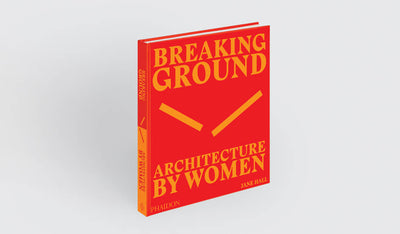
Breaking Ground: Architecture by Women is a groundbreaking celebration of exceptional architecture designed exclusively by women, showcasing over 200 remarkable buildings worldwide. The book honors legendary figures like Julia Morgan and Lina Bo Bardi alongside contemporary stars such as Kazuyo Sejima and the late Zaha Hadid, while also shining a spotlight on lesser-known pioneers like Margaret Kropholler and Minnette de Silva. It explores how many talented women have been overshadowed by male colleagues yet made vital contributions to iconic projects and urban landscapes. The collection highlights the intertwined nature of personal and professional lives, emphasizing equal gender roles in practice and care. It also acknowledges influential female architectural academics and thinkers who reshape how we understand architecture today. Richly illustrated and meticulously researched, Breaking Ground invites readers to rethink the history and future of architecture through the lens of women’s creativity and leadership, inspiring a new generation to leave their mark on the built environment.
Read more
086 pole pass USA image showing athletic pole vault competition in the United States
Tom Kundig on how to build an extraordinary house
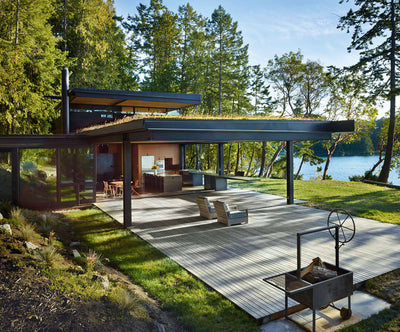
Houses: Extraordinary Living showcases 400 of the world’s most innovative architect-designed homes, revealing how personal taste and the natural environment shape extraordinary living spaces. Seattle-based architect Tom Kundig of Olson Kundig shares insights from two of his featured projects—a serene seaside retreat in the San Juan Islands and a warm, earth-toned cabin in Mazama—that blend seamlessly into their surroundings through thoughtful design and materials like cedarwood and expansive glass walls. Kundig emphasizes the importance of responding to site, climate, technology, and client needs to create homes that engage their unique contexts, whether urban or natural. Highlighting iconic homes like Albert Frey’s desert-inspired Frey House II and Pierre Chareau’s urban masterpiece Maison de Verre, the book celebrates architectural innovation that harmonizes deeply with place and lifestyle.
Read more
Domus Aurea ancient Roman palace interior fresco detail vibrant colors
3 Pools to dive into (and one you might want to avoid)
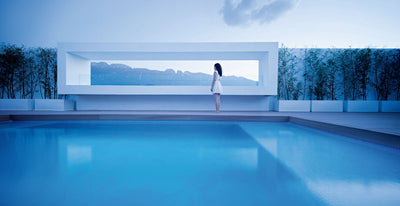
Bodies of water have a uniquely calming effect, whether vast or small, still or moving, as explored in the book Living on Water. The article highlights serene architectural masterpieces like Mexico’s Domus Aurea, a luminous homage to Luis Barragán, and Palm Springs’ Palevsky House, blending privacy with Moroccan-inspired walls. Spain’s Casa Ugalde by José Antonio Coderch elegantly integrates terraces and a pool to suit its Mediterranean setting, exemplifying post-war Catalan Modernism. Contrasting these peaceful scenes, Elmgreen & Dragset’s 2009 Venice Biennale installation features a striking image of a well-dressed drowned man in a perfect blue pool, reflecting on the complexities of excess and identity. For deeper dives into these styles and stories, the article recommends several richly illustrated books on modern architecture and art.
Read more
34 house on cliff overlooking ocean with clear sky and rocky shoreline
6 Beautiful beach houses to admire this summer
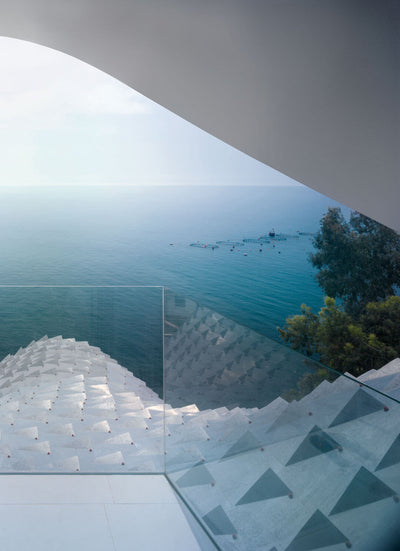
Planning a coastal getaway this summer? Discover some of the most stunning beach houses from around the world, showcased in our books *Houses: Extraordinary Living*, *Living on Water*, and *California Captured*. From the ingeniously adaptable House on the Cliff near Granada, Spain, with its auditorium-style living space and breathtaking Mediterranean views, to the seamless indoor-outdoor flexibility of Pole Pass in Washington’s San Juan Islands, these homes blend architecture with nature effortlessly. Explore the pioneering design of California’s Peter Berkey III House by Lutah Maria Riggs, the naturally ventilated Cliff House in Kerala, India, and the nearly invisible Malator House nestled in Wales, UK. Finally, marvel at the futuristic yet organic curves of the Bubble Palace on the French Riviera, embodying the philosophy of “habitology” with its ban on right angles. These extraordinary homes redefine seaside living with innovation, elegance, and harmony with their surroundings.
Read more
bubble palace exterior view luxury architecture unique design Mediterranean style
The building of Pierre Cardin’s curvy Bubble Palace
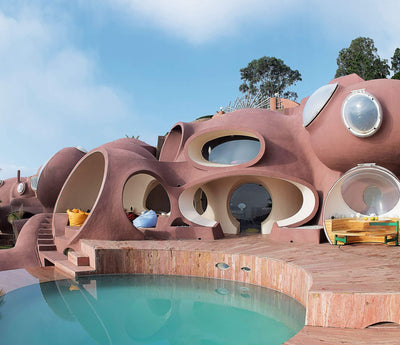
Celebrating his 97th birthday, legendary Italian-born French designer Pierre Cardin is best known for his futuristic, avant-garde fashion, yet his iconic mid-century summer home, the Palais Bulles or Bubble Palace, wasn’t his creation. Nestled on the Estérel Massif in Cannes, this extraordinary 1975 architectural masterpiece by Hungarian architect Antti Lovag defies tradition with its flowing curves and organic forms, embodying Lovag’s philosophy of “habitology” that embraces nature by banning right angles. Cardin purchased the whimsical, tapioca-like structure in 1992 and listed it for an eye-watering €350 million in 2017, making this surreal seaside sanctuary as remarkable as its famed owner.
Read more
no opera performance image no opera stage no opera singer no opera audience no opera theater scene
Phaidon Introductions: Snøhetta on the backstories it creates
Snøhetta, an international architecture practice founded in Norway, embraces a deeply narrative and experiential approach to design that goes beyond sleek aesthetics. Their philosophy centers on crafting journeys—both literal and metaphorical—that immerse users in transformative experiences, from the bustling streets to serene plazas and unexpected architectural forms. Projects like the Oslo Opera House and Times Square pedestrian plazas highlight Snøhetta’s skill in shaping intuitive, inviting spaces that encourage spontaneous social interactions and slow down urban pace. Celebrating three decades of innovation, their work reflects a commitment to collective ownership and creative exploration, underscoring design’s power to foster connection, equity, and surprise in public life. Their new book, *Snøhetta: Collective Intuition*, offers an inspiring look into 24 landmark projects that showcase this unique, collaborative ethos.
Read more
portrait of William Hall in formal attire with a neutral background
William Hall talks about the new mini format Brick
Architecture transforms the humble brick—often overlooked as a banal, lowly material—into something invaluable and full of potential, as reflected in William Hall’s celebrated book Brick, now republished in a handy new mini format. Hall’s passion for brick stems from its unique ability to connect people with the tangible and approachable nature of building materials, contrasting with the industrial complexity of steel or concrete. Through stunning examples ranging from ancient Mesopotamian ziggurats to contemporary sculptures and iconic structures like Battersea Power Station, the book reveals brick’s rich history, warmth, and enduring charm. With insightful essays and carefully curated projects, Brick Mini invites both architects and curious creatives to rediscover brick not merely as a backdrop but as a material of wonder and architectural significance.
Read more
135 National History Museum exterior view with clear sky and visitors
Three London gardens to cool off in this lunchtime
As Britain’s heatwave peaks with temperatures soaring to 35°C, Londoners seeking refuge from their stuffy offices can escape to three stunning public gardens featured in the new book *Green Escapes*. The Phoenix Garden offers a sustainable urban oasis thriving with wildlife-friendly plants behind the Phoenix Theatre, while the Natural History Museum’s Wildlife Garden invites visitors to explore diverse British habitats in a serene setting. Meanwhile, the historic Chelsea Physic Garden, established in 1673, enchants with its beautifully maintained medicinal plant collections and glasshouses. These hidden green gems provide perfect cool-down spots and a refreshing breath of nature in the heart of the city.
Read more
phaidon book cover featuring modern art and design elements in vibrant colors
Our exciting California Captured collaboration with Theory
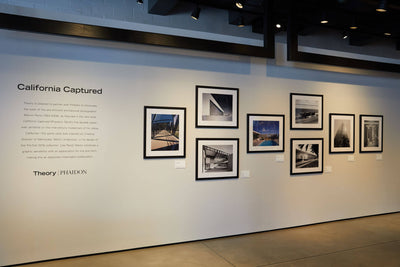
Marvin Rand’s iconic photographs of mid-century modern Los Angeles continue to inspire creativity across artistic fields today, notably influencing Martin Andersson, Creative Director at Theory. Drawing on Rand’s images and the city’s distinctive architectural elegance—the interplay of clean, horizontal lines and lush foliage—Andersson crafted Theory’s latest Men’s Pre-Fall collection, blending casual LA sophistication with a pared-down aesthetic. In celebration of this creative fusion, a special exhibition of Rand’s work is on view at Theory galleries in New York and LA, highlighting the enduring dialogue between architecture, design, and fashion. Fans eager to explore the rich story behind the collection and its inspirations can look forward to further insights from Andersson in upcoming interviews and events.
Read more
Snarkitecture partners architectural design collaboration logo on white background
What is it with Snarkitecture and white?
New York collective Snarkitecture is renowned for their minimalist, white designs that invite deeper engagement beyond the surface. Rejecting social media-driven aesthetics, co-founder Ben Porto explains their pared-down palette encourages tactile interaction and focused appreciation of detail. Alex Mustonen adds that while visitors may snap photos, the true reward lies in lingering and having a personal, physical experience with their work. This philosophy will come to life in their upcoming 2018 summer installation, Fun House, at the National Building Museum in Washington DC, which creatively reimagines past projects within a house-like structure—promising an immersive experience rather than a typical retrospective or carnival attraction. Fans can also explore more of their visionary work in the new Snarkitecture book.
Read more
ancient Roman Domus Aurea fresco wall painting detailed artwork
These waterside homes are perfect for city dwellers
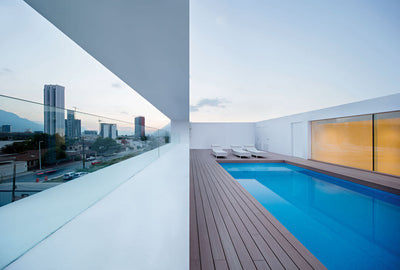
Discover five stunning waterside homes perfectly blending serene natural settings with urban proximity, from a minimalist geometric retreat just inside London’s M25 to a sculptural beach house near Sydney, a compact dune-side haven on Shelter Island, a pristine contemporary gem honoring Mexican architectural heritage in Monterrey, and a durable Swedish summerhouse rooted in the Stockholm archipelago. These remarkable residences showcase how modern design and thoughtful site integration create idyllic escapes within easy reach of major cities.
Read more
close-up of fresh green oregano herb leaves on white background
These waterside homes blend perfectly into their surroundings
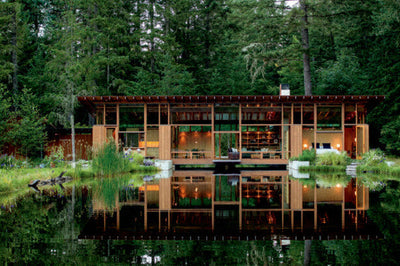
For centuries, home builders focused on keeping water and nature at bay, but modern architects are now embracing these elements, ingeniously integrating bodies of water into living spaces. From Oregon’s Newberg Residence, where a reflecting pond merges the house and forest into a serene tableau, to the Kent coast’s El Ray, which cleverly incorporates a railway carriage within a highly insulated timber structure, these designs showcase harmony with their environments. Finland’s Summer House offers unobtrusive elegance with panoramic water views beneath a sweeping roof that mirrors the landscape, while Maryland’s Loblolly House blends tinted glass and raised columns to echo the surrounding woodland and salt meadow, glowing warmly at sunset. These innovative homes redefine waterside living with nature at their heart.
Read more
snarkitecture group portrait creative design team collaboration modern architecture studio
Snarkitecture’s fantasy islands
Snarkitecture has unveiled an imaginative new collection of kitchen islands at the Interior Design Show in Toronto, crafted in collaboration with Caesarstone. Moving beyond the traditional kitchen island concept, these four installations transform quartz slabs into striking topographic landscapes that explore water in its steam, liquid, and ice forms, while a fourth island playfully reinterprets a classic 70’s video game. Designed by Alex Mustonen and Ben Porto to celebrate the kitchen as a vibrant social hub, Altered State merges functional space with interactive art, promising a captivating blend of everyday utility and immersive experience. This innovative work will also feature at Salone del Mobile in Milan, showcasing Snarkitecture's signature blend of creativity and inclusivity.
Read more
highline lead rope coiled on wooden surface with metal clasp visible
Liz Diller on the successes, flaws and laws of the High Line
When the New York architectural firm Diller, Scofidio and Renfro transformed a disused elevated railway into the iconic High Line park, they initially envisioned a modest attraction with around 300,000 annual visitors. Over a decade later, this 1.45-mile stretch of urban green has become a global symbol of successful urban renewal, drawing millions each year. However, partner Elizabeth Diller now reflects on the unintended consequences of this success, acknowledging the gentrification and soaring real-estate prices that followed. She emphasizes the responsibility architects and planners have to anticipate such outcomes, suggesting that measures like inclusionary zoning could help protect vulnerable communities. The High Line, while celebrated worldwide, serves as a powerful lesson in balancing visionary design with social impact in urban development.
Read more
highline lead rope for climbing and outdoor activities on rocky terrain
Liz Diller plans an opera for the High Line
When New York photographer Patty Heffley discovered her once-abandoned elevated train line transformed into the vibrant public park known as the High Line, she responded with spontaneous fire escape performances, sparking a creative ripple. Inspired by Patty’s Renegade Cabaret, architect Liz Diller—who helped design the park—has teamed up with composer David Lang and sound designer Brude Odland to create the ambitious Mile Long Opera, set to debut in 2019. Diller’s background in art installations and previous collaborations with Lang highlight a seamless blend of architecture, performance, and sound that promises to bring a unique operatic experience to this iconic urban space, blending the past spirit of New York’s punk scene with cutting-edge artistic innovation.
Read more
Montauk house exterior modern architecture beachside home summer design
T Magazine’s Elemental Living weekend getaway
T Magazine recently showcased stunning photographs from the book Elemental Living, highlighting contemporary homes that beautifully blend with their natural surroundings. Featured designs range from the Alpine Shelter nestled high in the Slovenian Alps to Sydney’s cliffside Holman House, inspired by Picasso’s art. The selection also includes John Pawson’s Montauk House on Long Island, whose sand-colored exterior mimics driftwood, and the Mimetic House in Ireland, with mirrored facades that perfectly camouflage it in the landscape. These breathtaking homes celebrate a profound connection between architecture and nature, offering a visual escape for those longing for serene retreats.
Read more
house exterior with modern design and large windows surrounded by greenery
Barbican set to get all Jutaku next year
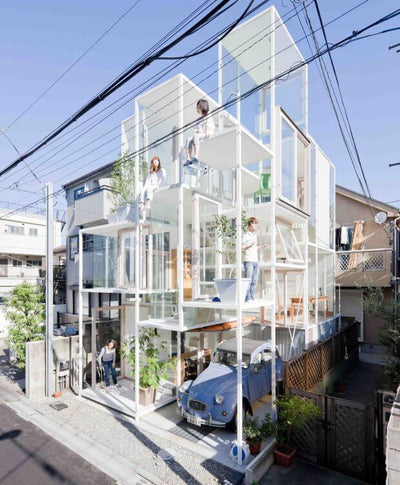
Japanese houses have long fascinated architecture enthusiasts with their creativity and striking designs, a passion reflected in the 400-page book Jutaku. Now, London's Barbican Gallery further celebrates this with its spring 2017 exhibition, The Japanese House: Architecture and Life after 1945, showcasing how Japan’s post-WWII economic shifts, demographic changes, and planning laws have influenced its unique domestic architecture. Featuring iconic works from architects like Yoshiharu Tsukamoto, Sou Fujimoto, and Toyo Ito, the show expands beyond architecture to include cinema, photography, and art, providing a rich and insightful look into Japan’s evolving home culture that continues to inspire worldwide.
Read more
Selldorf Architects portrait of a modern architectural design in natural light
Annabelle Selldorf remembers Zaha Hadid
In the week following Zaha Hadid’s death at 65, much has been written about her remarkable career, with one of the most insightful pieces coming from Carolina A. Miranda in the LA Times. The article highlights the unique challenges Hadid faced as a pioneering female architect, navigating expectations not just for her innovative designs but also the added pressure of her work being viewed through a gendered lens. Hadid famously dismissed the absurd comparisons of her Qatar stadium design to a vagina, emphasizing the ridiculousness of such interpretations. Fellow architect Annabelle Selldorf reflects on the vulnerability women in the field endure, often judged not only professionally but socially. While women have made impressive strides in architecture since Hadid’s start in the 1970s, they remain underrepresented, underscoring the ongoing need to recognize and celebrate their contributions.
Read more
cliffside view with new lead climbing gear on rocky terrain under clear sky
Gaudí-inspired house perches precariously
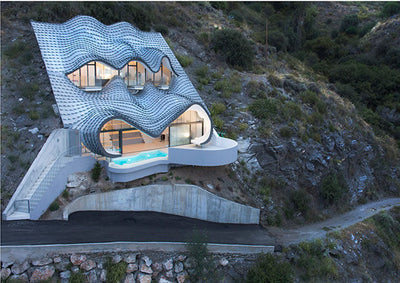
GilBartolomé Architects defy the typical uninspired coastal developments of southern Spain with their striking House on the Cliff, perched on an imposing 42-degree slope. Embracing the challenging terrain, they ingeniously embedded much of the living space into the hillside and crowned it with a sinuous, Gaudí-inspired zinc-shingled roof reminiscent of Barcelona’s Sagrada Familia. This bold design creates a captivating interplay between natural landscape and modern architecture, challenging the region’s tradition of low-quality construction. Inside, spacious split-level living areas seamlessly extend to a narrow pool, while custom fiberglass and resin furniture add a unique touch. With backgrounds from top London firms, the architects blend innovation and artistry, delivering a refreshing alternative to Spain’s coastal building boom.
Read more
Zaha Hadid architectural design portrait by Mary McCartney
Zaha Hadid 1950 - 2016
Dame Zaha Hadid, the groundbreaking architect celebrated as the greatest female architect of her time, has died suddenly at 66 from a heart attack while being treated for bronchitis. Born in Baghdad and trained in London, she founded Zaha Hadid Architects in 1979 and earned global acclaim for her innovative designs that blend architecture, landscape, and technology into fluid, visionary forms. Her landmark works, including the Vitra Fire Station, MAXXI Museum, Heydar Aliyev Centre, and London Aquatics Centre, redefined modern architecture with daring spatial concepts and advanced materials. A trailblazer who shattered glass ceilings, she was the first woman to receive the Pritzker Prize and the RIBA Royal Gold Medal, among many honors. Beyond her iconic buildings, Hadid influenced generations through her academic roles worldwide, leaving an enduring legacy that transformed the future of architectural design.
Read more
Selldorf Architects portrait of a modern architectural design with clean lines and natural lighting
‘There's a spiritual quality about looking at art you don’t want to undermine’ - Annabelle Selldorf
Annabelle Selldorf’s architectural approach defies the flashiness often praised in modern design, instead embracing subtlety and dignity that honor the long-term human experience of space. Known for her transformative yet understated work, Selldorf recently unveiled the Hauser Wirth & Schimmel art complex in Los Angeles, a project that blends galleries, a bookshop, a public garden, murals, and a restaurant within historic buildings. Far from conventional architectural statements, her design focuses on urban integration, opening formerly closed-off spaces with courtyards and walkways that invite the public in. With a deep sensitivity to how people engage with art and space, Selldorf crafts environments that celebrate artwork without distraction, creating timeless spaces that prioritize experience and spirit over spectacle.
Read more
Selldorf Architects portrait photograph professional headshot
On International Women's Day meet Annabelle!
Selldorf Architects, founded by German-born Annabelle Selldorf, has become synonymous with elegant restraint and impeccable taste in architectural design, especially within the art world. Known for iconic projects like New York’s Neue Galerie and the Sims Municipal Recycling facility in Brooklyn, the firm masterfully balances classical form with contemporary functionality, creating spaces that enhance rather than overshadow the art they house. Celebrated for her discerning eye and refined methodology rooted in Viennese architectural tradition, Selldorf’s work invites viewers to experience architecture as a deeply personal encounter, making her a distinctive force in contemporary design and a true guardian of artistic integrity.
Read more
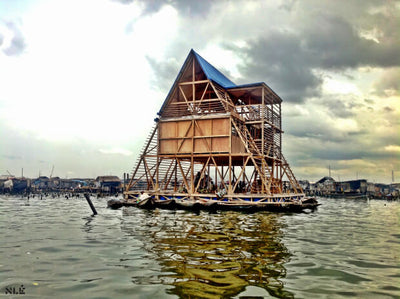
Makoko Floating School Lagos Nigeria architectural design by NLE C NLE sustainable education facility on water
When catastrophe leads to creative design
The new exhibition "Creation from Catastrophe" at the Royal Institute of British Architects in London explores how architecture has historically responded to disasters, from the Great Fire of London in 1666 to recent climate-related events like Hurricane Sandy and Nigeria’s floods. Featuring works from renowned architects such as Shigeru Ban, Alejandro Aravena, and Arata Isozaki, the show highlights innovative approaches to rebuilding and resilience, including community-driven projects like Yasmeen Lari’s earthquake-resistant Women’s Centre in Pakistan. Reflecting on nature’s destructive power, the exhibit reveals how catastrophe often creates opportunities for visionary designs that tackle the challenges of a changing world.
Read more
Steven Holl architect black and white portrait photograph
Steven Holl on New York's architecture fail
Steven Holl, a celebrated architect known for his innovative museums, chapels, and university buildings, offers a critical perspective on the current wave of skyscrapers transforming New York City. While he admires the ambitious architecture of the early 20th century, exemplified by icons like the Empire State Building and Chrysler Building, he sees today’s developments as lacking true architectural value, dismissing many new towers as mere “rent-collecting space” detached from meaningful public engagement. Holl values the social fabric and human scale of neighborhoods like his West Village home, where everyday interactions and shared spaces create a vibrant community. For him, architecture should enrich social experiences, not just create luxurious, isolated residences used as financial assets. Stay tuned for more insights from Holl on how to reintegrate these qualities into contemporary urban design.
Read more
house exterior with modern design and large windows surrounded by greenery
Why do Japanese houses look so unusual?
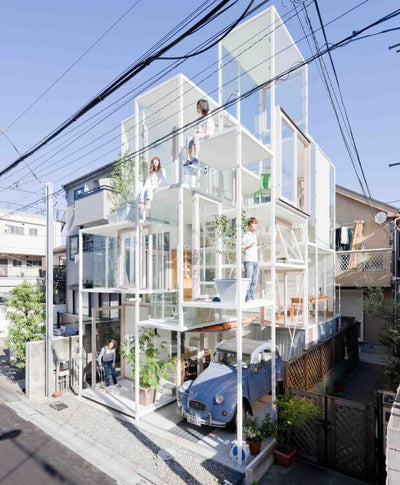
Japanese houses often appear peculiar to Westerners due to their unique designs, small sizes, and the common practice of demolishing and rebuilding after only a few years—a tradition rooted in historical customs of replacing worn building parts. Architect Naomi Pollock, fascinated by these distinctions, explored Japan’s domestic architecture extensively, uncovering a creative spectrum that ranges from modernist minimalism to homes resembling abstract sculptures. Influenced by Japan’s Sunshine Laws, which limit building shadows, and a cultural preference for intimate family spaces, these homes often feature unusual angles and cozy layouts that encourage connection through sound and presence rather than visibility. Pollock’s insights, captured in her upcoming 512-page book *Jutaku: Japanese Houses*, highlight not only the architectural ingenuity but also the subtle social values embedded within Japan’s housing traditions, such as the stunning Window House designed to maintain open views even when unoccupied—an openness rarely found in Western architecture.
Read more
group of diverse people smiling and posing together outdoors in casual clothing
Liz Diller on the High Line’s surprising success
Liz Diller, co-founder of the visionary firm Diller Scofidio + Renfro, originally dreamed of making films but found her true calling in transforming urban spaces, most famously through the creation of New York's High Line. What began as a speculative academic exercise on repurposing an elevated freight railway evolved into a groundbreaking public park that redefined how cities reclaim and cherish forgotten infrastructure. The High Line's unique charm lies in its serene simplicity—inviting millions to walk and sit amid nature reclaiming industrial ruins, offering a rare pause in the city's relentless pace. Over a decade since its inception, Diller and her collaborators continue to refine the park, capturing the inspiration and challenges behind this urban marvel in a forthcoming book that reflects on its success and unfinished chapters.
Read more
Hadid Bridge modern architectural design with curved steel structure and glass elements against blue sky
Zaha Hadid’s world-record breaking bridge
Zaha Hadid Architects has unveiled their groundbreaking design for the Danjiang Bridge, set to become the world’s largest asymmetric cable-stayed bridge with a single 175-meter-tall concrete mast. Spanning 920 meters across Taiwan’s Tamsui River near Taipei, the bridge aims to ease traffic congestion while preserving stunning sunset views by minimizing visual and navigational disruption. This innovative structure will relieve pressure on the existing Guandu Bridge, enhancing regional accessibility and showcasing cutting-edge engineering and design. With a $250 million budget, the project promises to be a landmark addition to Taiwan’s infrastructure, blending functionality with iconic architectural elegance.
Read more
close-up of red brick wall texture with rough surface and natural color variations
'Even modernists like Mies loved bricks. . .'
Alvar Aalto once captured the essence of architecture by transforming a humble brick into something invaluable, and William Hall’s new book, *Brick*, echoes that sentiment by celebrating this overlooked yet magnificent material. Inspired not only by Aalto’s philosophy but also by a conversation with chef Ferran Adrià, Hall challenges the traditional hierarchy that undervalues brick compared to stone or marble, showcasing its versatility, warmth, and enduring beauty. Through stunning images and a carefully curated selection of buildings—from massive Bavarian viaducts and ancient ziggurats to iconic urban landmarks and playful sculptural works—*Brick* invites readers to see bricks not as banal building blocks but as elements full of wonder and architectural potential, appreciated for their approachable texture and graceful aging.
Read more
spiral city one abstract geometric design with vibrant colors and dynamic shapes
Would you live in this Japanese underwater city?
The Shimizu Corporation has unveiled an ambitious vision for an eco-friendly underwater city called Ocean Spiral, designed to house 5,000 residents and generate energy from the seabed. Central to this concept is a vast 500-meter-diameter floating sphere below the sea's surface, featuring commercial spaces, housing, and hotels across 75 floors, all supported by desalinated water produced through hydraulic pressure. A spiraling path extends 15 kilometers down to the ocean floor where scientific labs, known as the Earth Factory, will explore seabed energy extraction. Backed by experts from Tokyo University and energy firms, Shimizu foresees the technology becoming viable within 15 years, with a £16 billion construction project to follow. Aimed at addressing Japan’s seismic challenges, Ocean Spiral reflects Shimizu’s track record of bold innovations, including lunar energy projects and offshore wind farms, making this underwater city a tantalizing glimpse into future living.
Read more