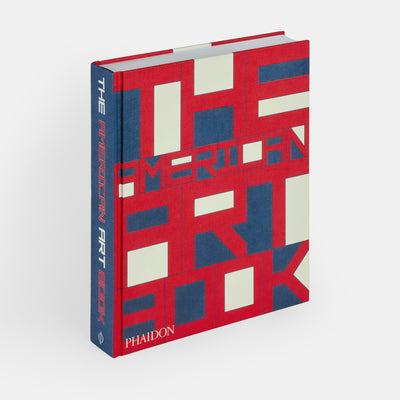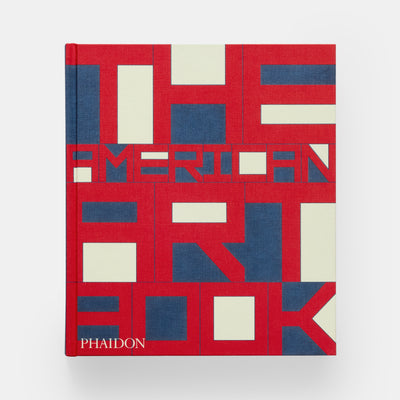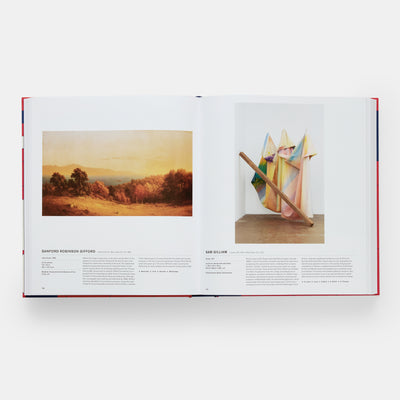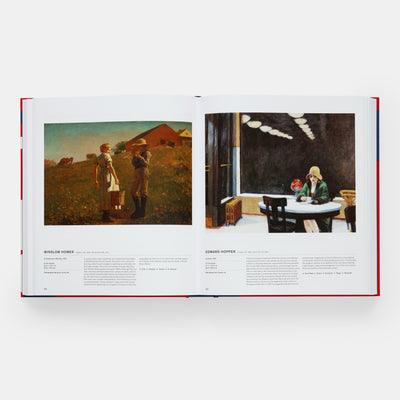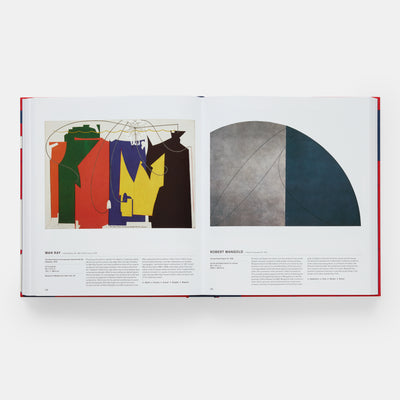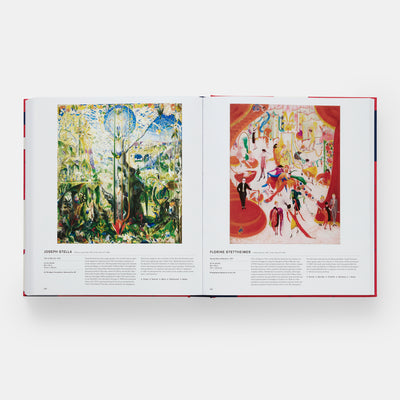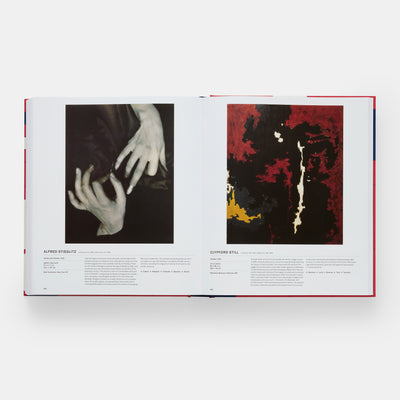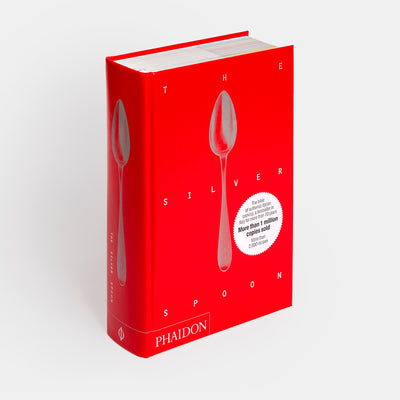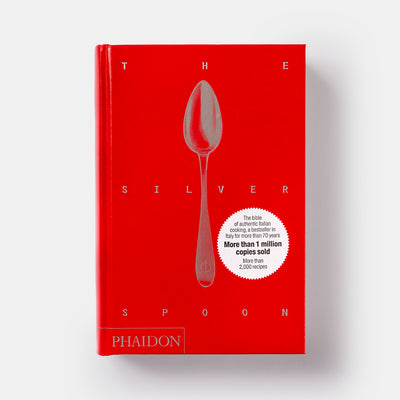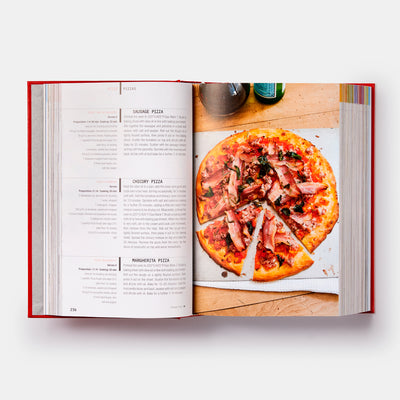














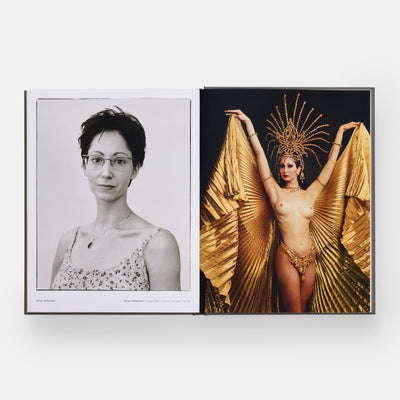
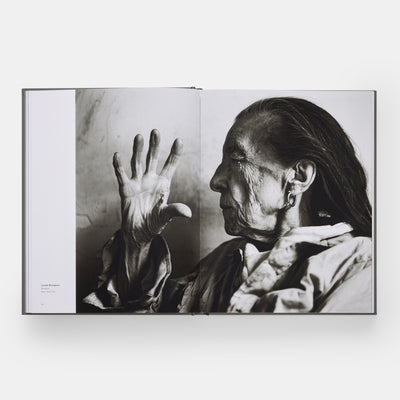
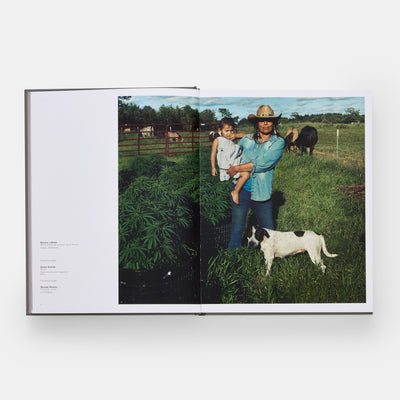
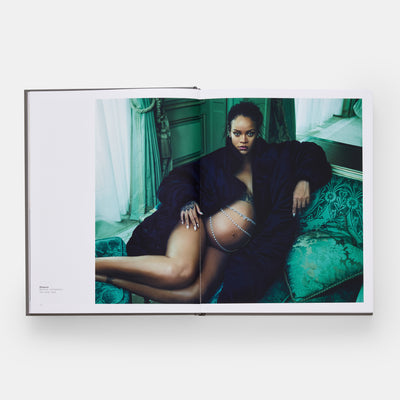
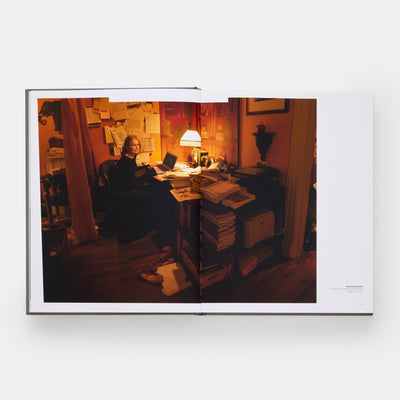
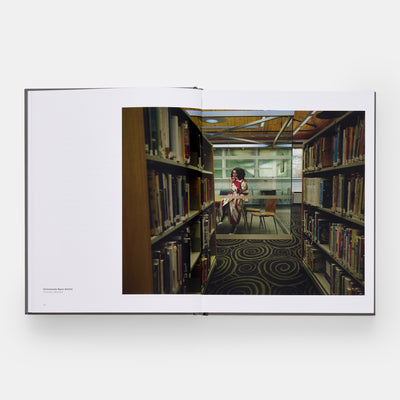
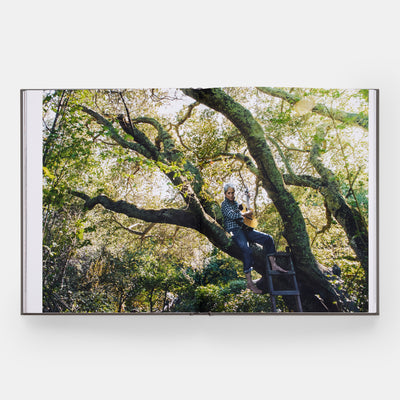
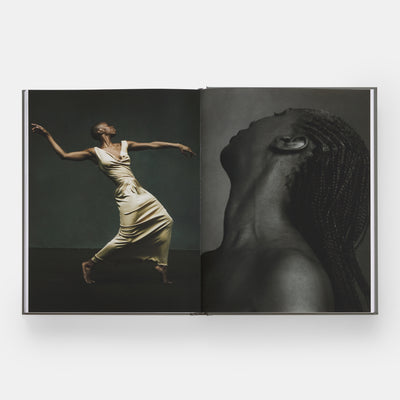





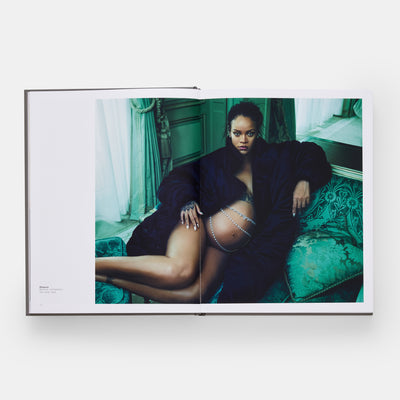
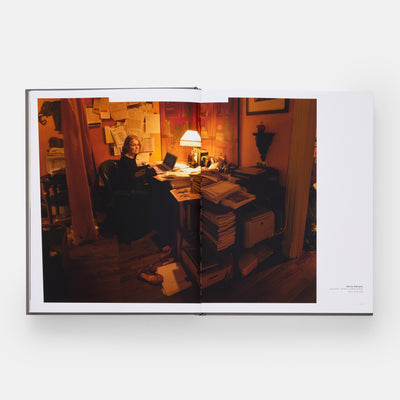
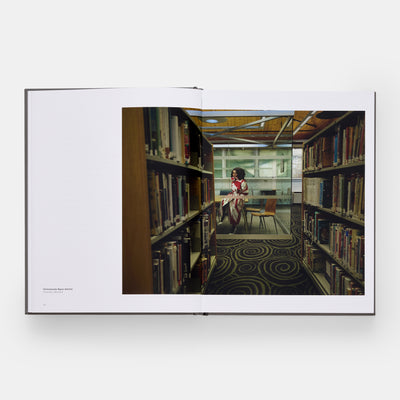
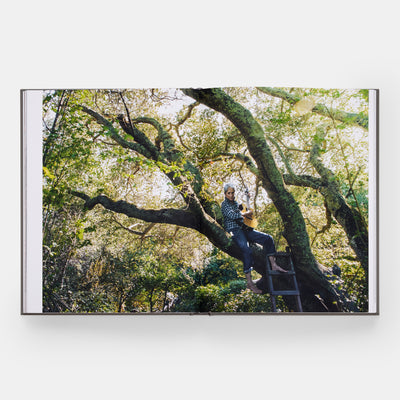
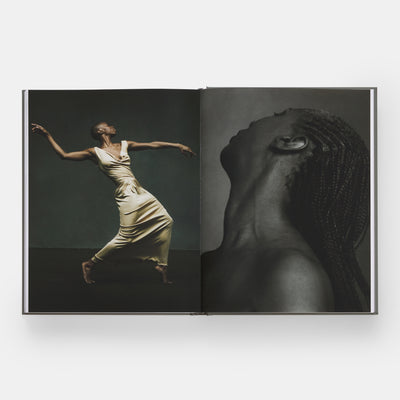


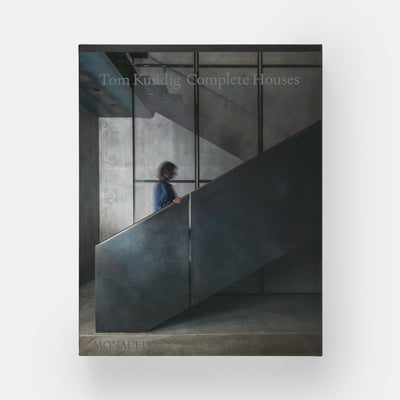
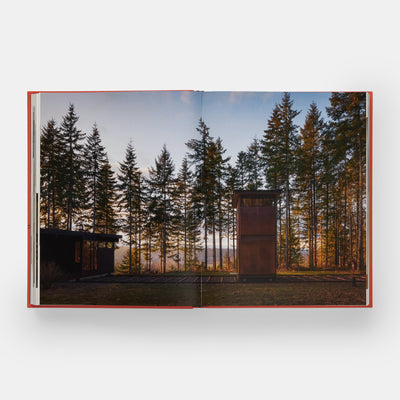














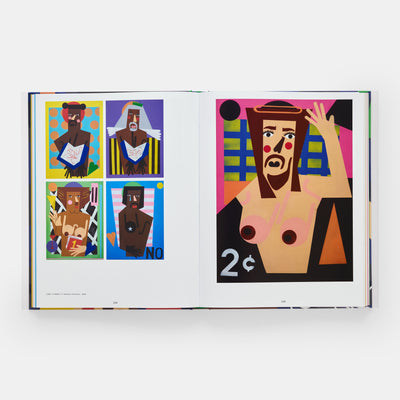
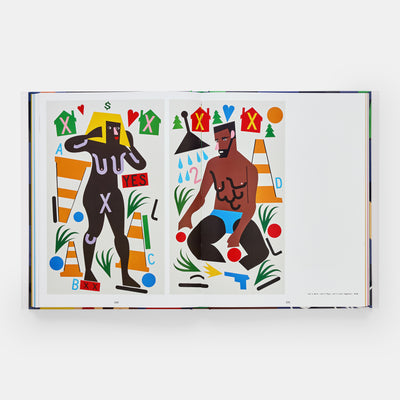
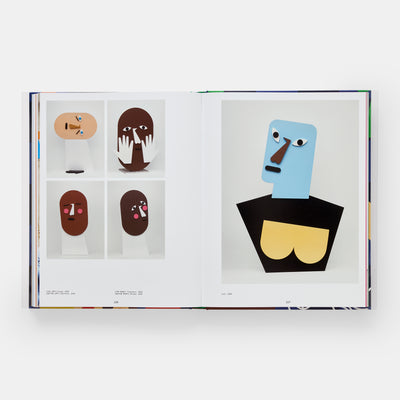



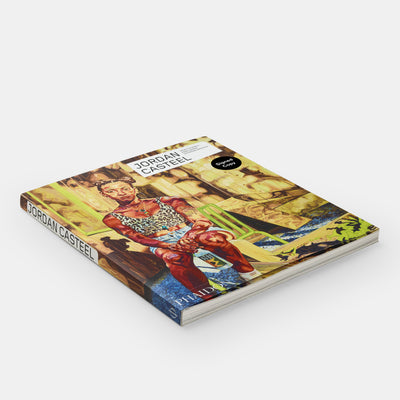
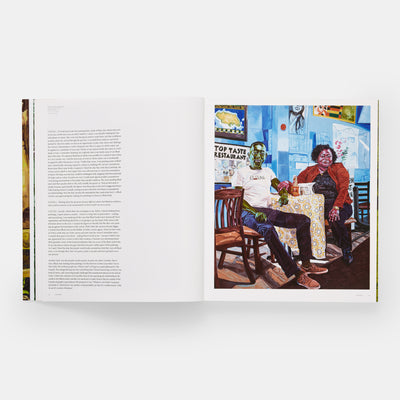
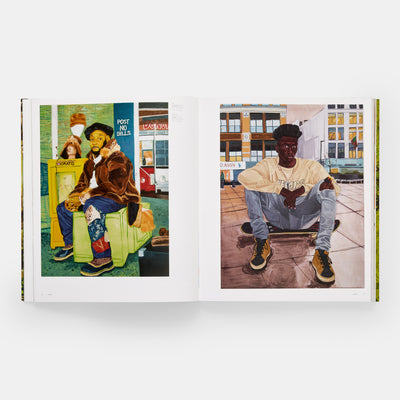
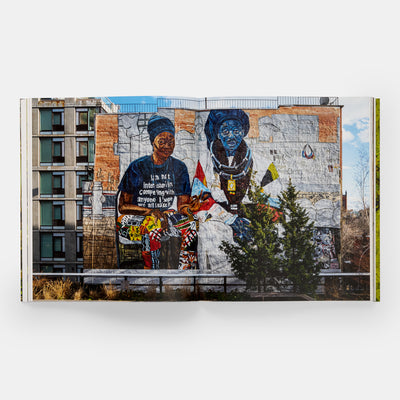








American exceptionalism takes many forms. The United States is militarily powerful and economically dynamic; it is blessed with natural resources, and bequeathed with a remarkably vital and varied culture, as any idle reader can gather while browsing The American Art Book.
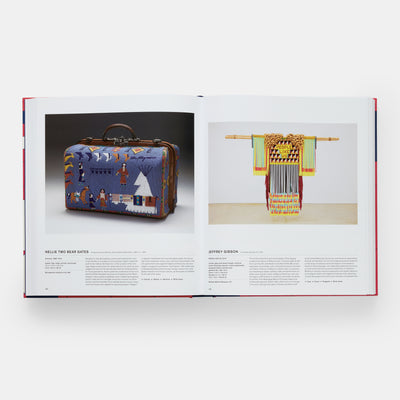
This authoritative, newly updated, exquisitely printed, 512-page hardback offers readers a truly penetrating overview of the USA’s finest, most important artists, each of whom has been carefully selected for inclusion by a team of curators, historians, and institutional directors.
Some of the enjoyment to be found in this new book lies not in its alphabetical arrangement which throws, say, Felix Gonzalez Torres next to Arshile Gorky, or Alex Katz beside On Kawara. There’s also joy to be found in seeing how many exceptional aspects of this country have shaped so many great artists.
Putting America’s cultural, economic, and spiritual prowess to one side, there’s a huge amount of art in this new book that’s been informed by America’s natural beauty. Thomas Cole’s paintings are one of the more obvious – and obviously beautiful – examples. The American Art Book reproduces his 1836 canvas, View from Mount Holyoke, Northampton, Massachusetts, after a Thunderstorm—The Oxbow.
 Thomas Cole, View from Mount Holyoke, Northampton, Massachusetts, after a Thunderstorm—The Oxbow, 1836. Picture credit: Metropolitan Museum of Art. Gift of Mrs. Russell Sage, 1908. Oil on canvas, 51 1/2 × 76 in., 130.8 × 193 cm
“The Oxbow, a distinctive serpentine curve in the Connecticut River, dominates a panoramic view seen from the elevated vantage point of a heavily wooded ridge. Nestled among the bushes in the center foreground is an artist who looks toward the viewer, as if to invite attention to his own activity in the outdoors,” the The American Art Book explains.
“Cole, who arrived in the United States from England at the age of eighteen, devoted himself to landscape subjects beginning in 1825 and soon became the central figure of the Hudson River School. He was well versed in contemporary European landscape theory and set out to apply those accepted principles to the invention of a wholly American landscape art,” the text goes on to explain.

“In The Oxbow he incorporated British aesthetic concepts to issue a pointed warning about the rapid domestication of American wilderness. Here, the artist sits at the intersection of the Sublime (the rugged forest at left) and the Beautiful (the cultivated fields at right), suggesting humankind’s central role in preserving an essential yet tenuous balance between nature and civilization.”
A later American arrival found a more complicated, but no less beautiful, tension between nature and culture. The book also features the Cuban American artist Ana Mendieta, whose family was exiled from Havana and settled in Iowa in 1961.
“This early dislocation from her birth country set in motion an enduring fascination with cultural displacement, identity, and the earth itself,” explains The American Art Book.
 Ana Mendieta, Flower Person, Flower Body, 1975. Picture credit: © Estate of Ana Mendieta Collection, LLC. Licensed by DACS, London, 2025. Courtesy Galerie Lelong & Co. Color photograph
“While studying fine art at the University of Iowa in 1971, Mendieta began documenting her body, removing her clothes and recreating her own form using organic matter: soil, stones, and plants. She termed these her “earth-body” works (the Silueta series, 1973–78), transposing her own silhouette into varied landscapes, and leaving it embedded in nature.”
The American Art Book's chosen piece from this series is Flower Person, Flower Body – a hauntingly pretty work which Mendieta made in Iowa in 1975. “Flower Person, Flower Body depicts a human form, made from fabric, flowers, and branches, bobbing at a creek’s edge; this floating body was also documented on Super 8 film, capturing the figure drifting gently downstream, seemingly returning to its source.”
 Sarah Sze, Shorter than the Day, 2020. Picture credit: Courtesy the artist. Commissioned by LaGuardia Gateway Partners in partnership with Public Art Fund. Photo: Nicholas Knight. Powder-coated aluminum and steel
This complicated response to natural beauty crops up elsewhere. Consider Sarah Sze’s 2020 work, Shorter than the Day. “Weighing five tons, Shorter than the Day is a sitespecific installation designed for the arrivals level of New York’s LaGuardia Airport that includes hundreds of images of the New York sky taken over the course of a single day,” says the new book. “The outer edges of the work include darker images of dawn and dusk, slowly brightening to daylight in the middle. Blurring the lines between sculpture, video, painting, and installation, Sze creates mesmerizing pieces that assemble objects and images pulled from daily life into new constellations.”
Sze’s East Coast skies look quite unlike Cole’s heavens, but they’re still quite beautiful, and quintessentially American. For more on these artists and their work, as well as much more besides, get a copy of The American Art Book here.